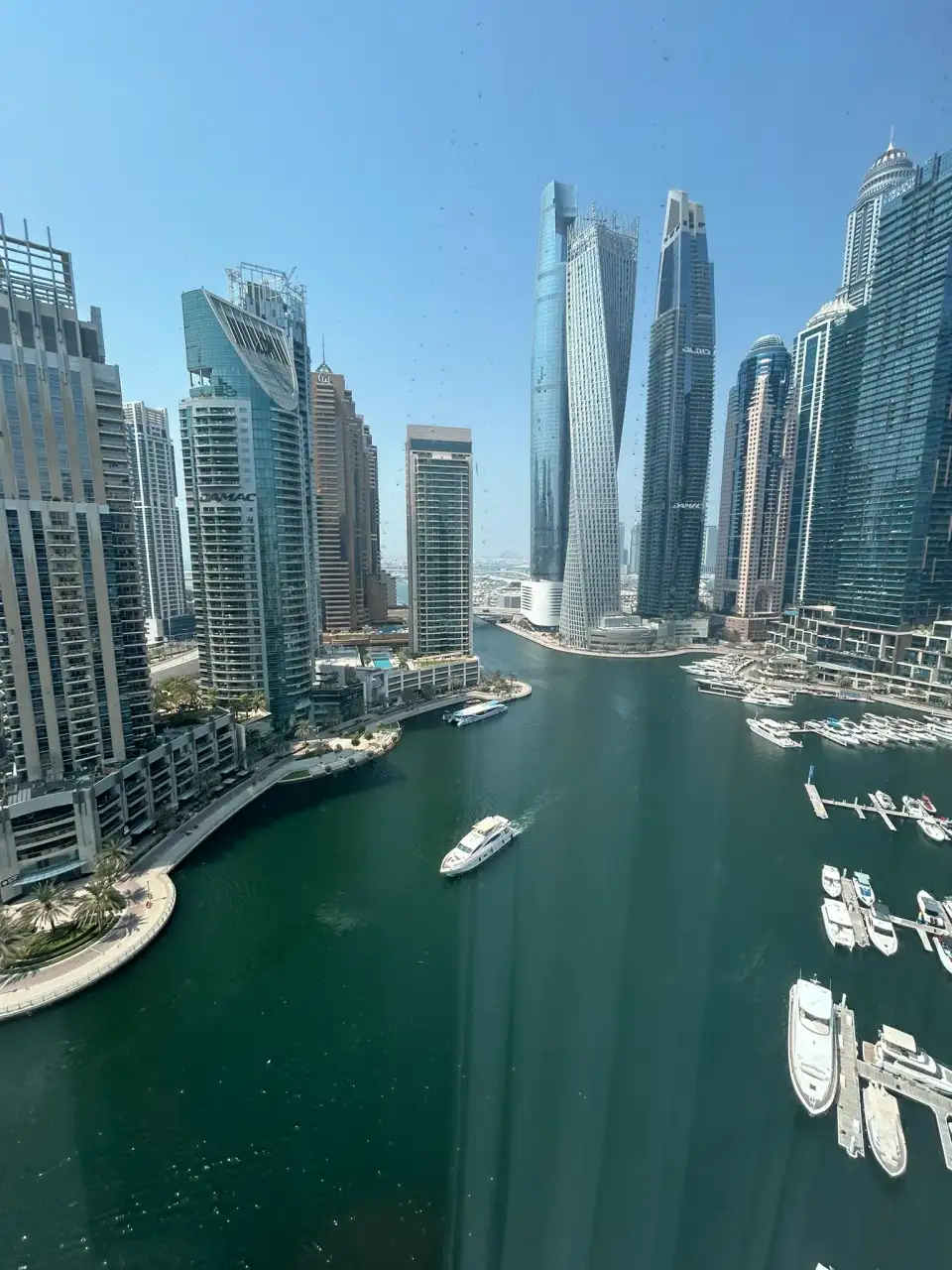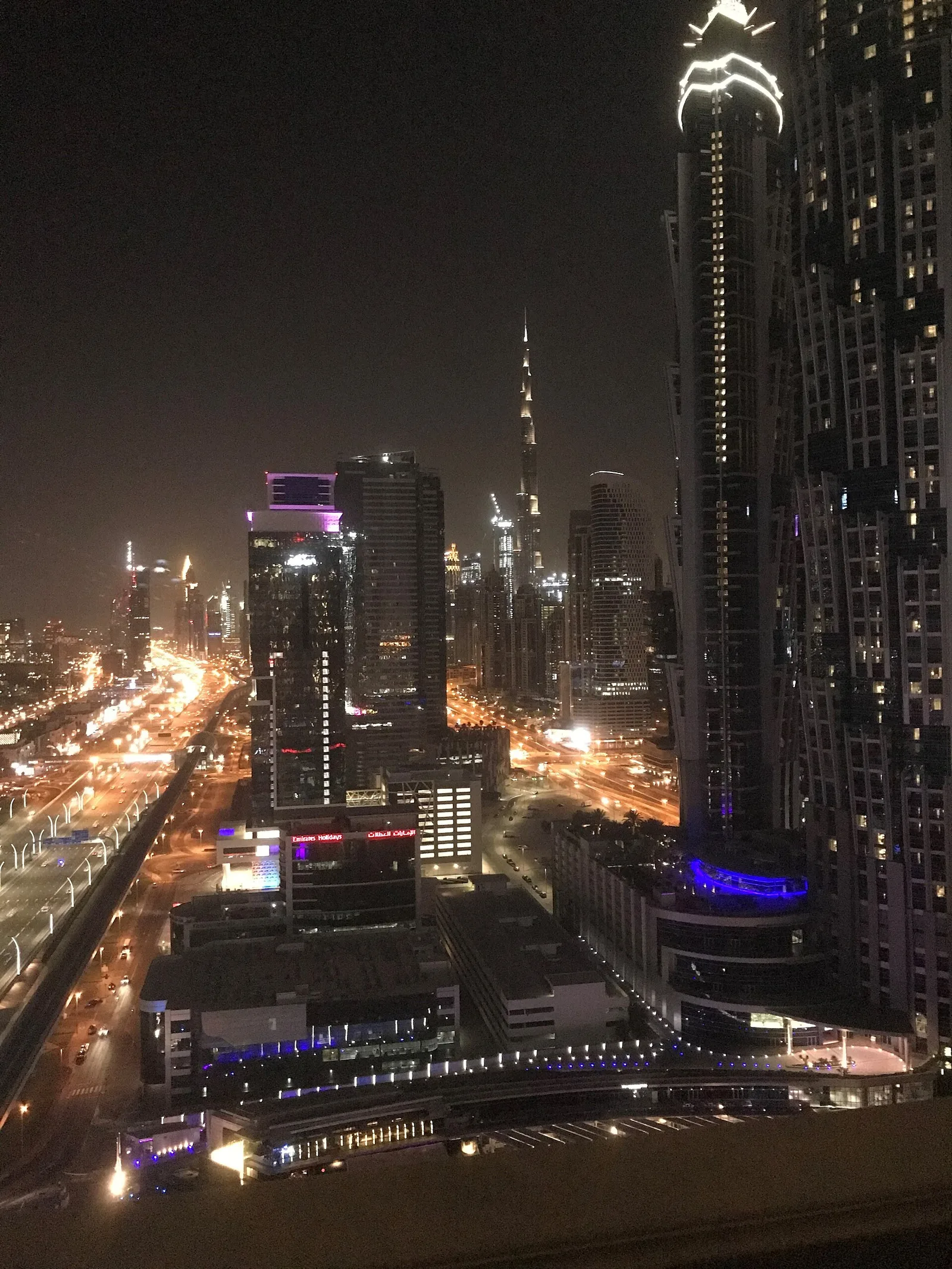
Dubai has a reputation for being expensive and it is entirely deserved for the version of the city that appears in advertising. It also has a second version, running in parallel, that is one of the better value destinations in the region. The two sit within a few metro stops of each other. Understanding which one you are in at any given moment is the whole of budgeting here.
The two Dubais
The expensive city is the one that gets marketed: hotel bars, beach clubs, observation decks, fine dining and private transfers. Prices there are comparable to London or New York and sometimes above.
The inexpensive city is where most of the population actually lives: the neighbourhood restaurants of Deira, Karama and Al Quoz, the metro, the public beaches, the souks and the parks. Prices there are a fraction of the first version.
Neither is more authentic than the other. What matters is that a visitor can move between them freely, and that most people accidentally spend their whole trip in the first because it is the one the marketing points at.
Where the money actually goes
Alcohol is the single biggest variable. It is heavily taxed and may only be served in licensed venues, which in practice means hotels and places attached to them. The markup is substantial, and a few rounds can exceed a family’s entire food budget for the day.
The practical consequence is stark: a visitor who does not drink will find Dubai far cheaper than its reputation, and a visitor who does can double their daily spend without trying. That one factor explains most of the wild variation in reported budgets.
Attractions are individually expensive. The observation decks, the aquariums, the theme parks and the water parks each cost a meaningful amount, and three of them in a day is a significant sum. They are not bad value for what they are, but they add up faster than in most cities.
Accommodation spans everything. Dubai has hostels and it has some of the most expensive suites on earth, with a very large middle. This is the number to fix first, because it drives everything else.
The hotel bill is not the rate you booked. Dubai levies a per room per night tourism fee that is collected at the property rather than online, and hotels commonly add a municipality fee and a service charge on top, with VAT applied across the board. Individually these are modest; together they add a noticeable percentage to a long stay, and they are the most common reason a checkout total does not match the booking confirmation. Ask what is included when you book, and treat any rate quoted without taxes as a starting figure rather than a final one.
Where it stays cheap
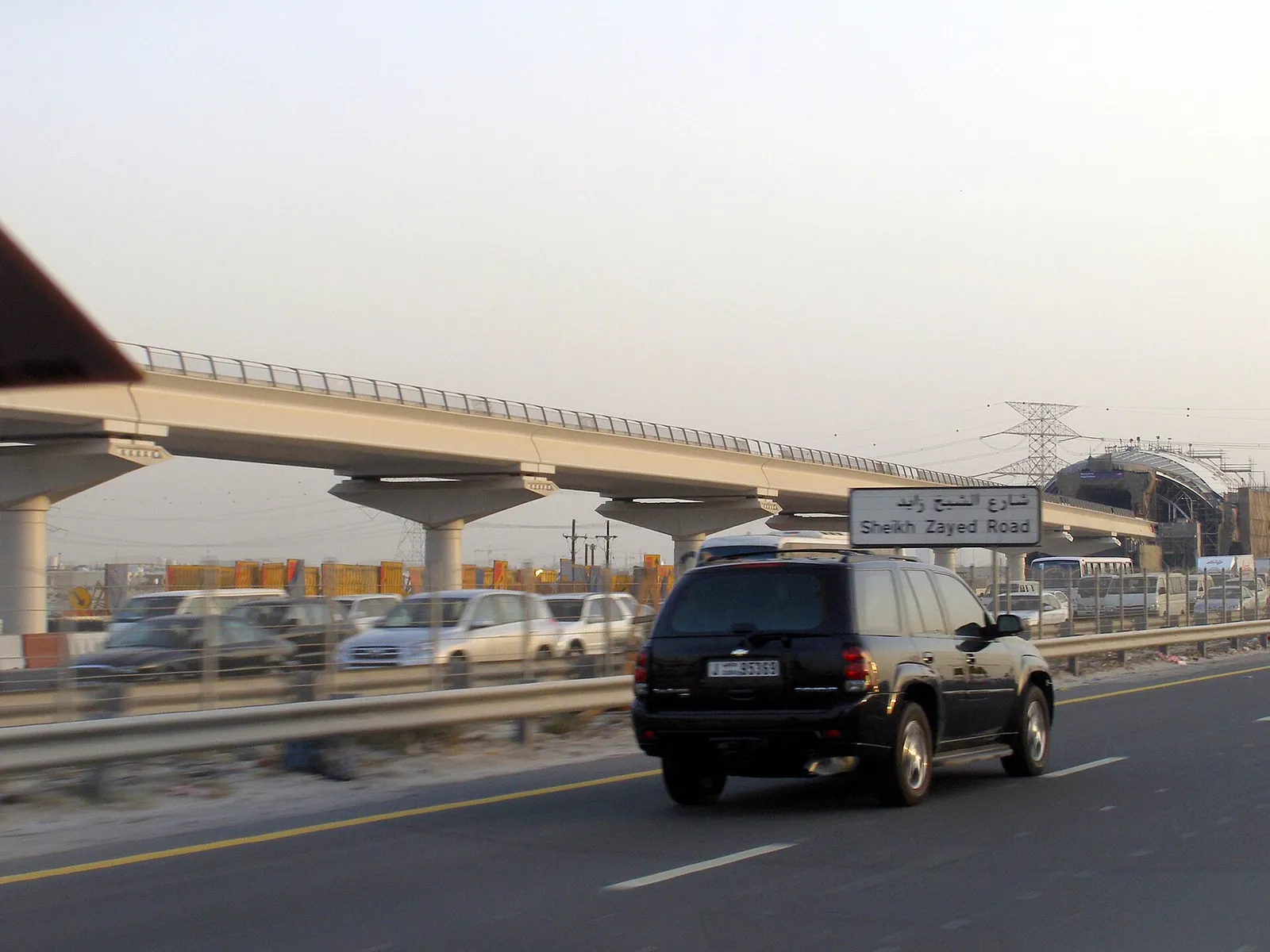
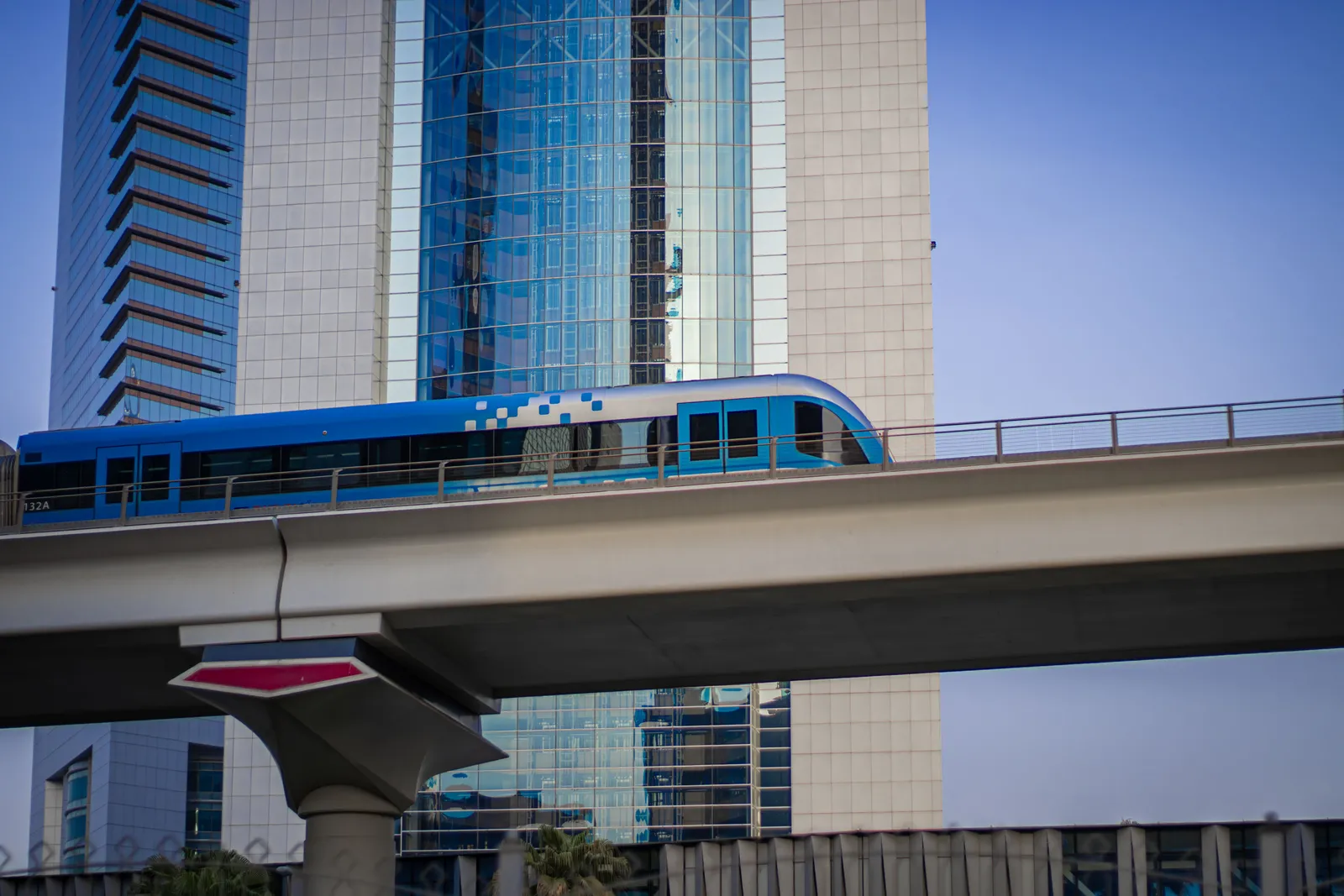
Transport. The metro is inexpensive, clean and covers a good deal of what visitors want, including the airport, the main malls, the Marina and the older districts, on a rechargeable card charged by zone. Crossing the city costs a small fraction of the equivalent taxi. Our metro and transport guide covers the network and its limits, the main one being that summer heat rules out walking between stations.
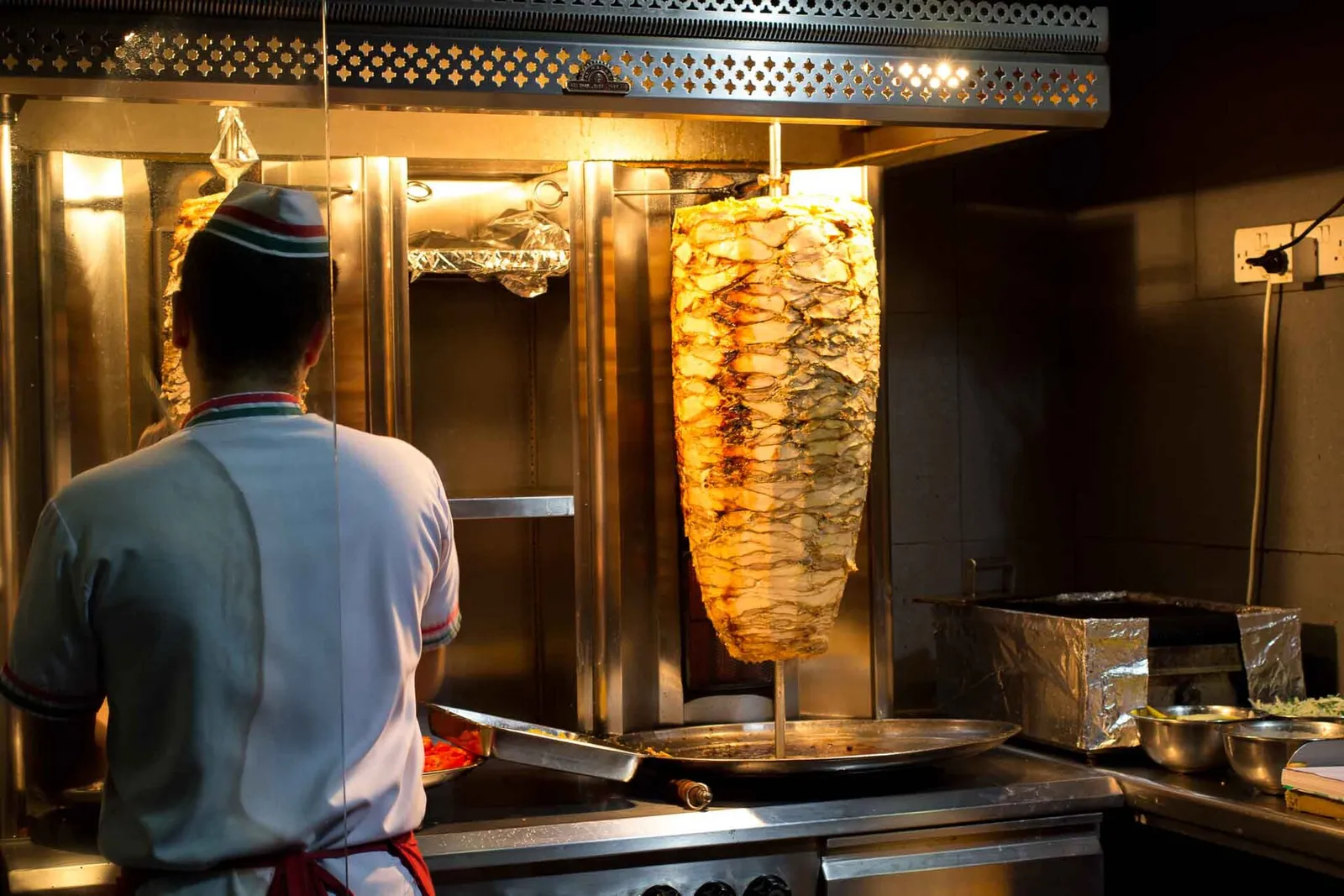
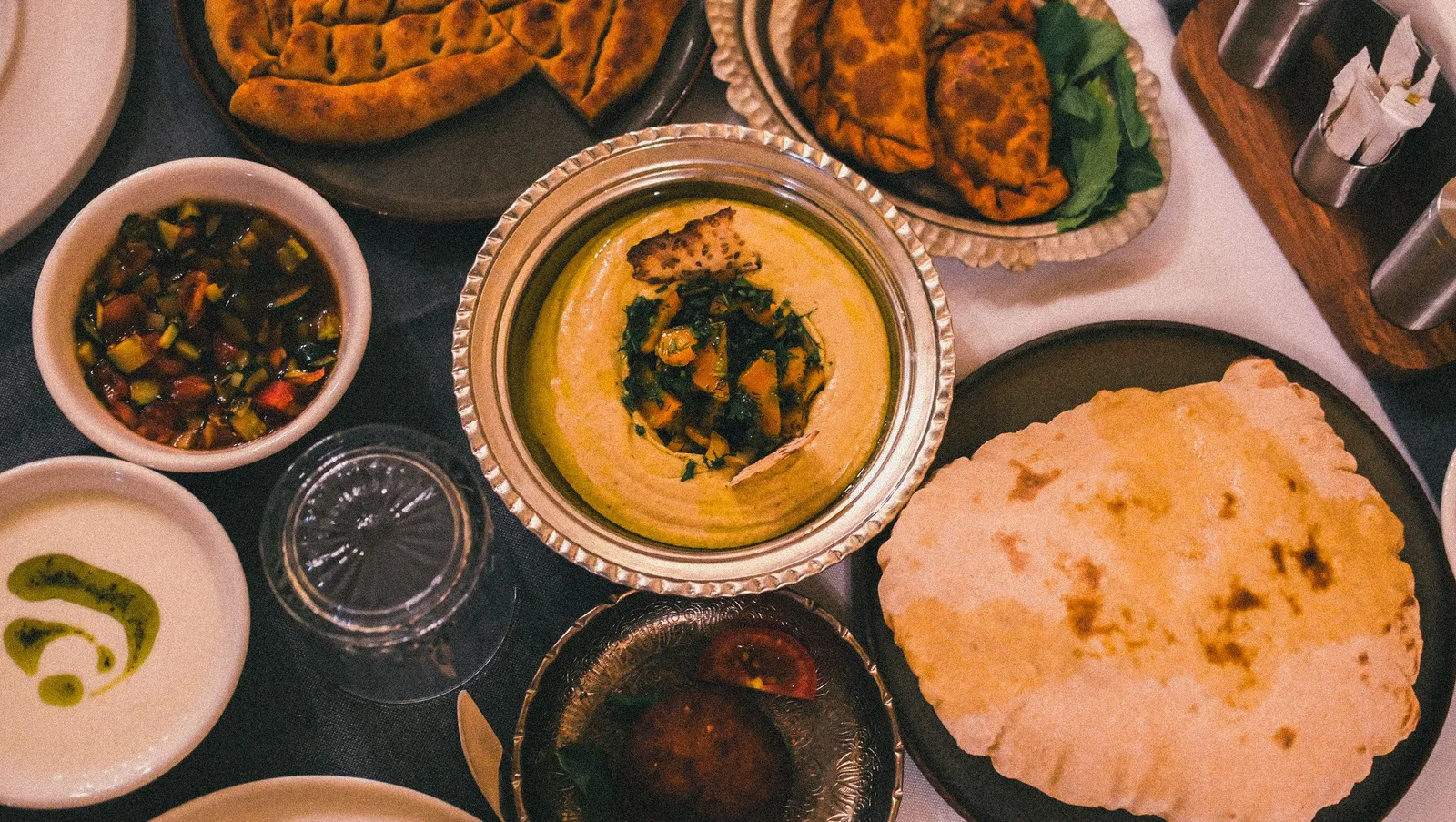
Food, if you choose where. The neighbourhood restaurants serving the South Asian, Filipino, Iranian and Arab communities are excellent and very cheap, and our guide to street food and cheap eats covers where to find them. The same meal in a hotel costs several times as much.
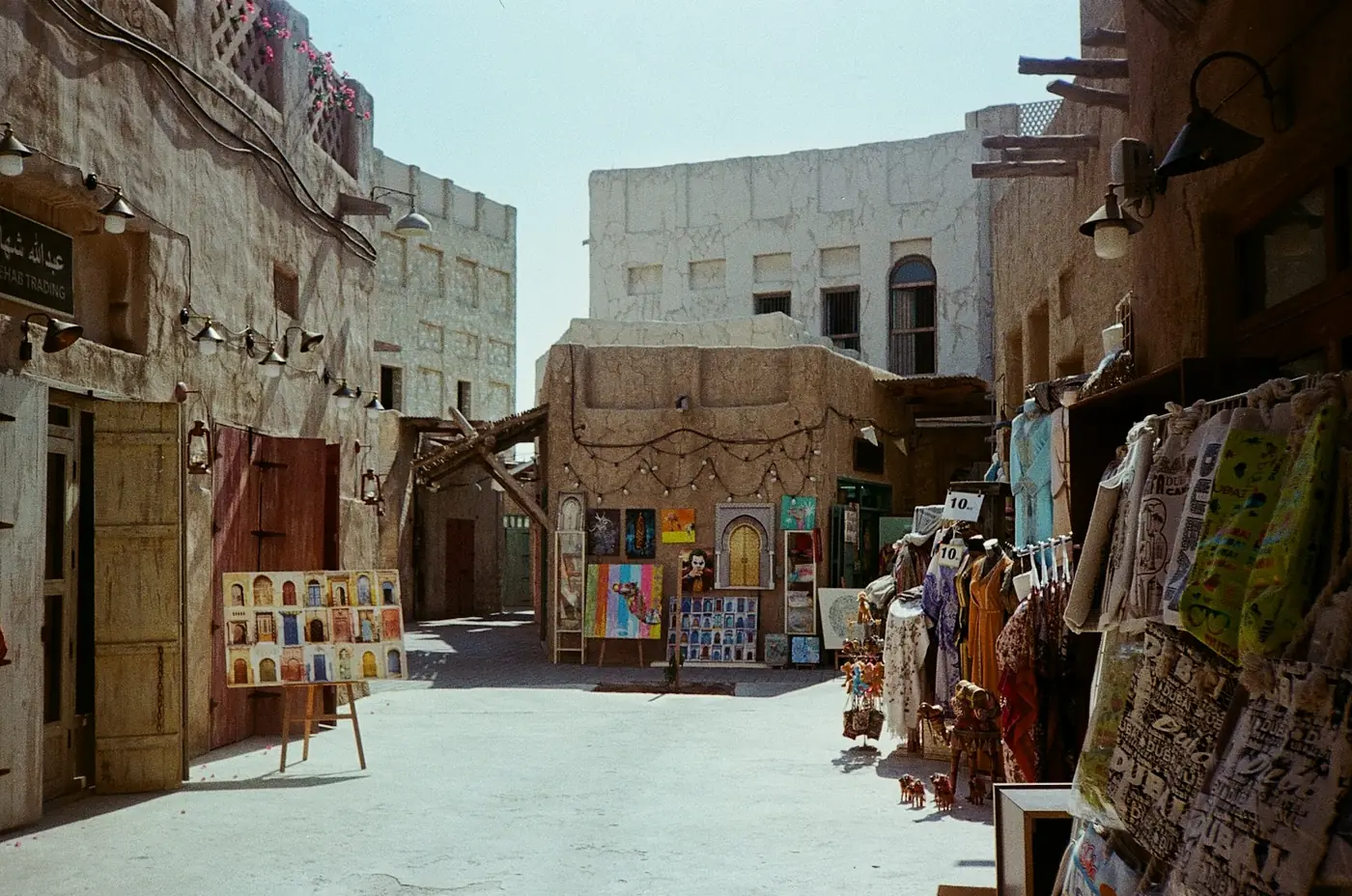
A surprising amount is free. The public beaches, the parks, the historic wind-tower district of Al Fahidi, the souks, the fountain show, and the beach promenades all cost nothing. The traditional abra across the creek costs a token amount that has stayed low for years and remains one of the best value experiences in the city.
The mistake that costs most is buying attractions at the door on the day. The big sites price advance online tickets below the walk-up rate, and the observation decks charge a substantial premium for the sunset slot, which is the one everybody wants and the first to sell out. A non-peak time booked a few days ahead can cost a fraction of the same view at the gate.
Fix the hotel firstAccommodation is the number that drives every other line in a Dubai budget, and the seasonal swing on it is enormousThe summer discount
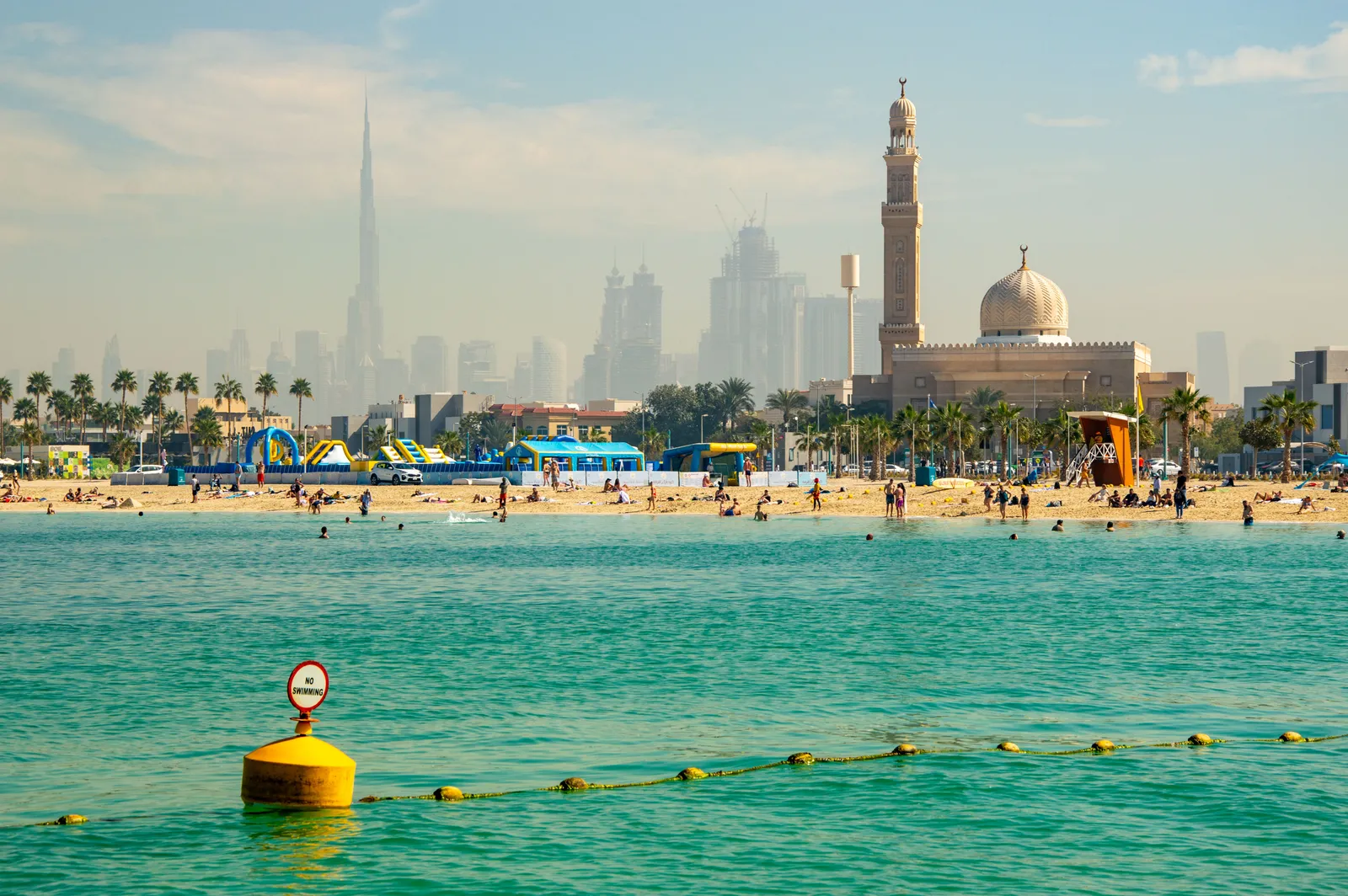
Hotel rates fall sharply from around June through September, and the reason is straightforward: the heat is extreme, regularly above forty degrees with high humidity.
This is a genuine trade rather than a loophole. Everything indoors carries on normally, and the malls, aquariums, indoor ski slope and museums are unaffected. Outdoor activity during the day is not realistic, and that removes the beaches, the desert and walking the old districts from the middle of your day.
For travellers whose plans are mostly indoors, it is a substantial saving. For anyone wanting beach and desert time, it is not worth it.
How to plan it
Rather than a daily figure, which is close to meaningless in a city with this spread, price the components:
- Accommodation, booked first, since it sets the level of everything else
- Transport, which is cheap if metro-based with some taxi use
- Food, which you control almost entirely by choosing neighbourhoods over hotels
- Attractions, priced individually and chosen deliberately rather than accumulated
- Alcohol, if applicable, which needs its own line because of the scale
Two people can do the same trip and differ by a factor of five without either being unusual. Our first-time guide covers the wider practicalities, and the general rule holds throughout: in Dubai, the cheap option and the expensive one are usually available in the same place, and nobody will point out the cheap one.