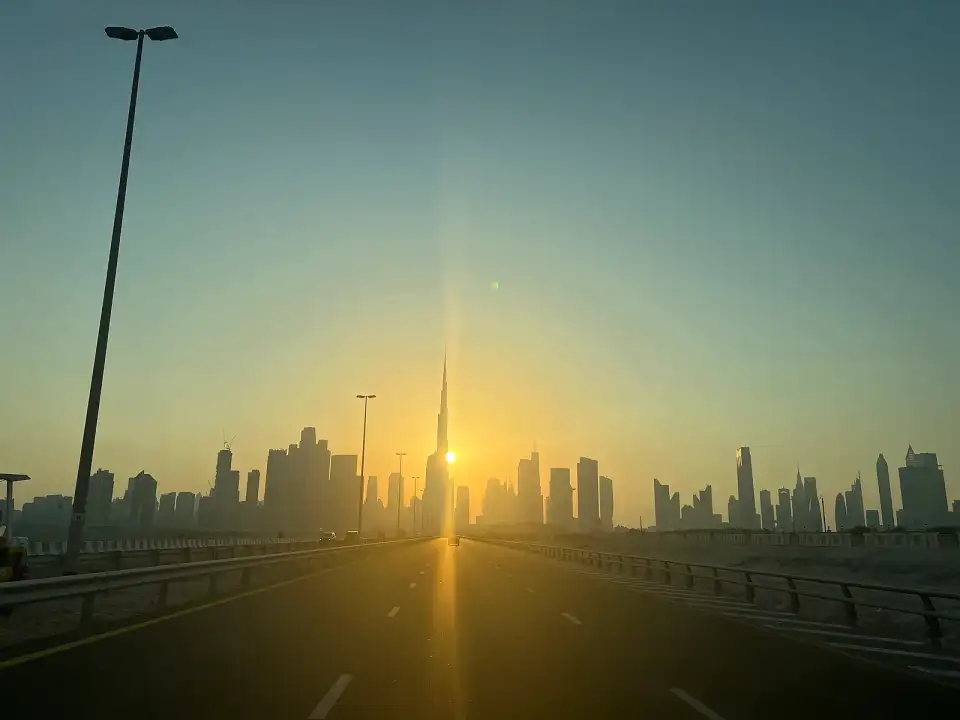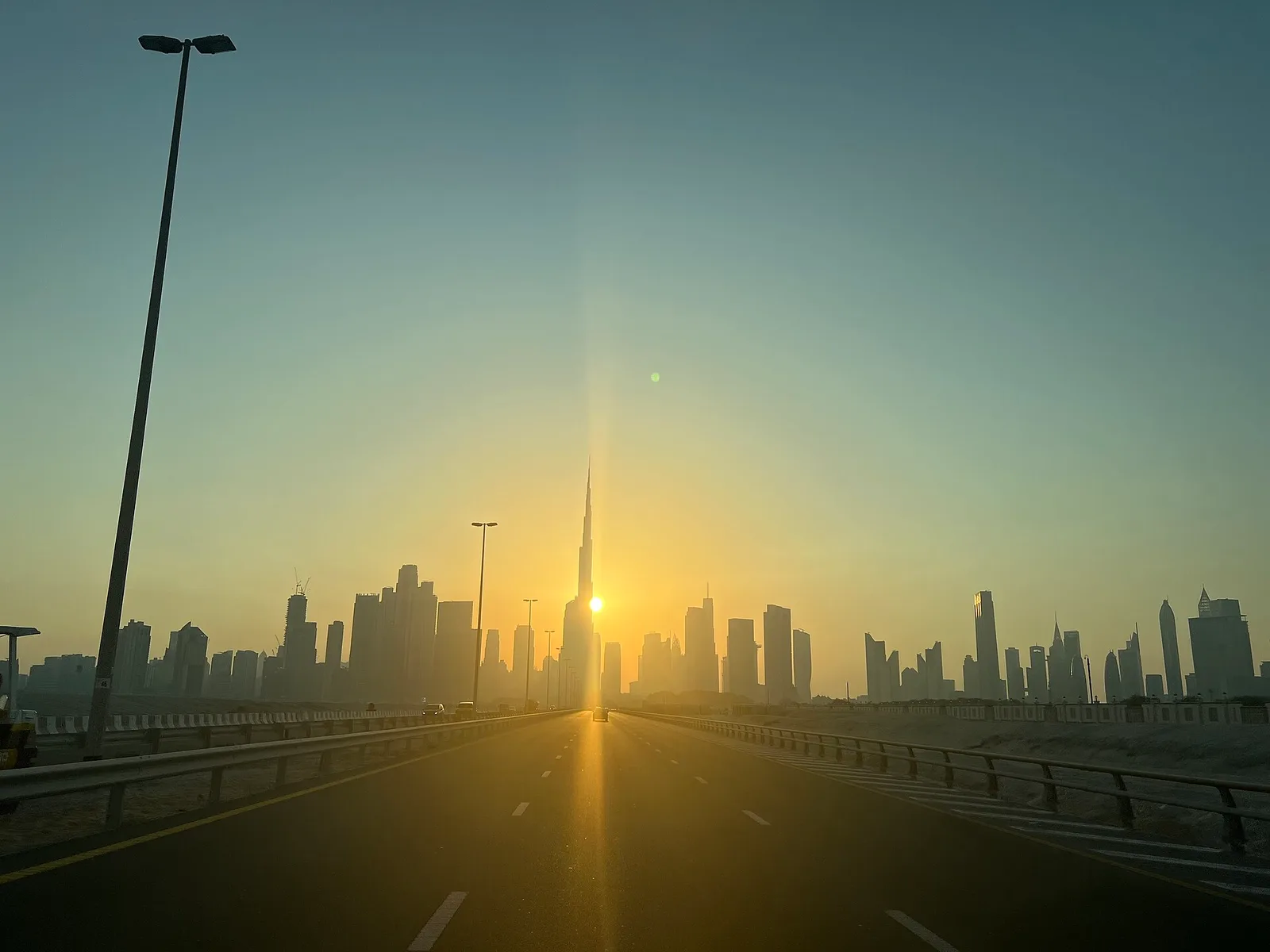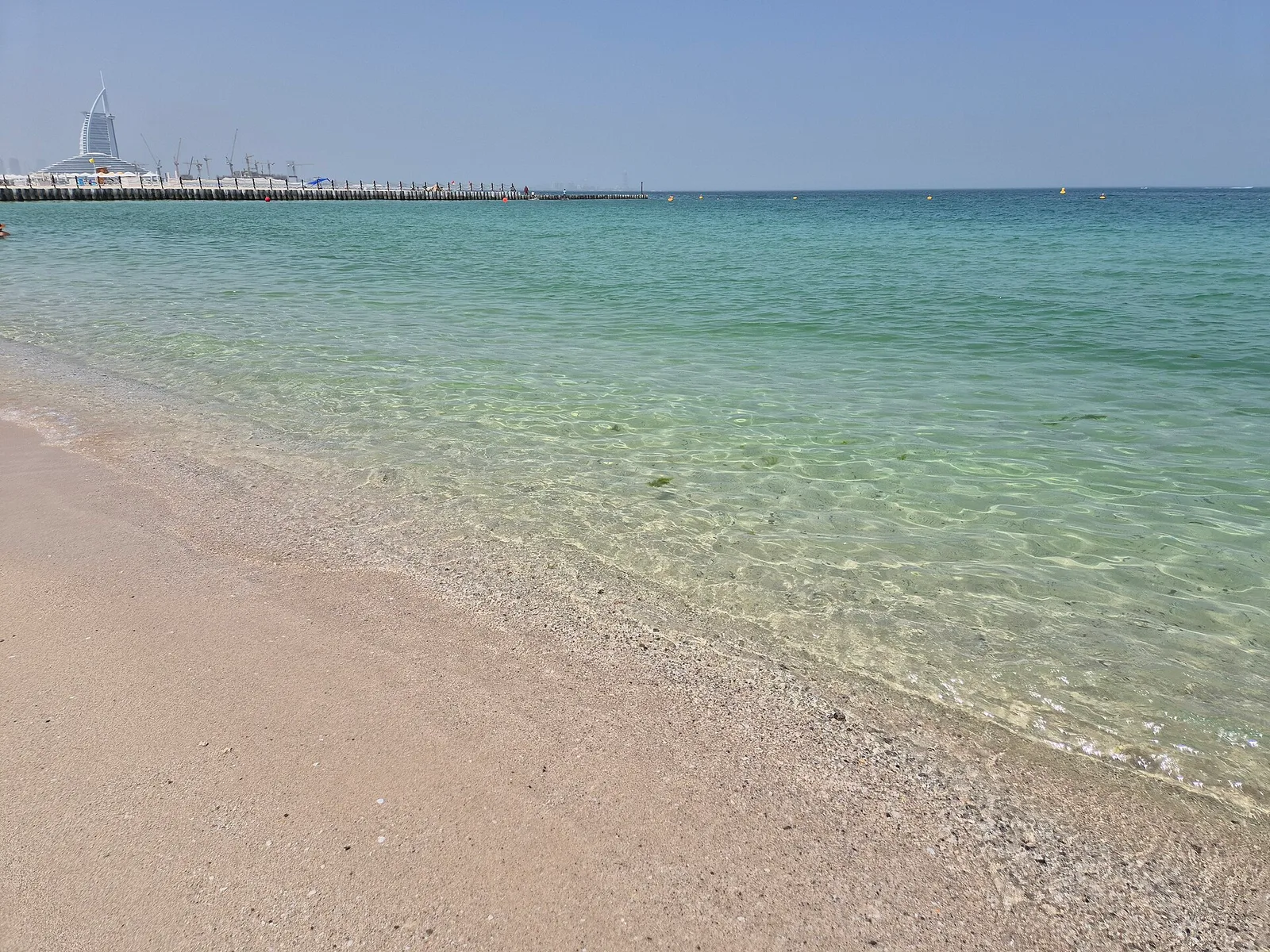
Dubai looks overwhelming on a map and turns out to be one of the easiest big cities in the world to visit. It is safe, spotlessly organised, and built to make tourists comfortable. Still, a handful of decisions made before you fly, when to go, where to stay, how to get around, and what to book ahead, are the difference between a smooth first trip and a week spent stuck in taxis or melting in the wrong season. This is the guide we wish someone had handed us the first time, wherever you are flying from.
When to go
Dubai has two seasons that matter: comfortable and scorching. The cool season runs roughly November to March, and it is the sweet spot. Days are warm and sunny, evenings are pleasant, and everything outdoors, the desert, the beaches, the rooftop bars, is at its best. This is also peak tourist season, so hotels cost more and the big sights are busier.
The summer, June to September, is genuinely brutal, often above 40C with high humidity. The city does not shut down, it simply moves indoors, into world-class air-conditioned malls, aquariums, indoor ski slopes and hotel pools. If you visit in summer you will get lower prices and thinner crowds, but plan your days around the heat.
The visa: check your own passport, because this one really varies
This is the single detail worth getting right before you book, because UAE entry rules differ sharply by nationality.
Visa on arrival covers a long list of passports, including the US, UK, Ireland, EU states, Canada, Australia and New Zealand. You arrive, the desk stamps you in, and the process is fast and slick. The stay you are granted is not one universal number: it differs by nationality and has been revised more than once, so read the entitlement attached to your own passport rather than the one a friend on a different passport was given.
South African passport holders are the important exception for readers of this guide. Unless you hold a valid residence permit from a qualifying country, which currently includes the UK, the US, EU states, Canada, Australia, New Zealand, Japan, South Korea and Singapore, you need to arrange a UAE visit visa in advance, and it must be approved before you get to the airport. Turning up expecting a stamp on arrival is how South Africans get denied boarding. Several other nationalities are in the same position.
Whatever your passport, confirm the current rule with an official UAE source or your airline before you fly, since these lists are revised regularly. Make sure your passport has at least six months of validity, have your return or onward ticket handy, and keep a hotel booking on your phone in case you are asked.
Where to base yourself
Your neighbourhood shapes your trip more than your hotel does. Dubai is long and spread out, so pick a base that matches the trip you want rather than assuming everywhere is close.
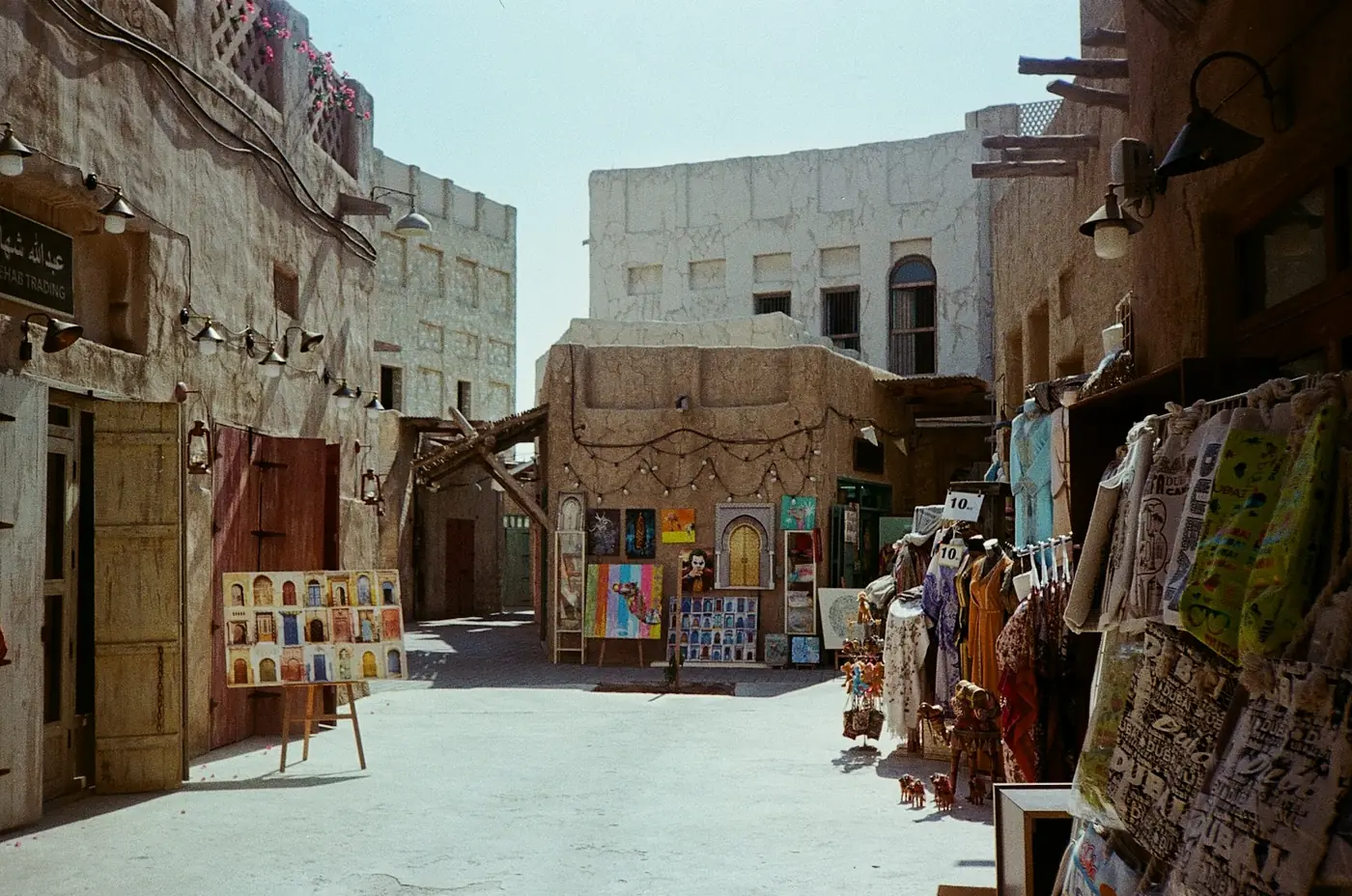
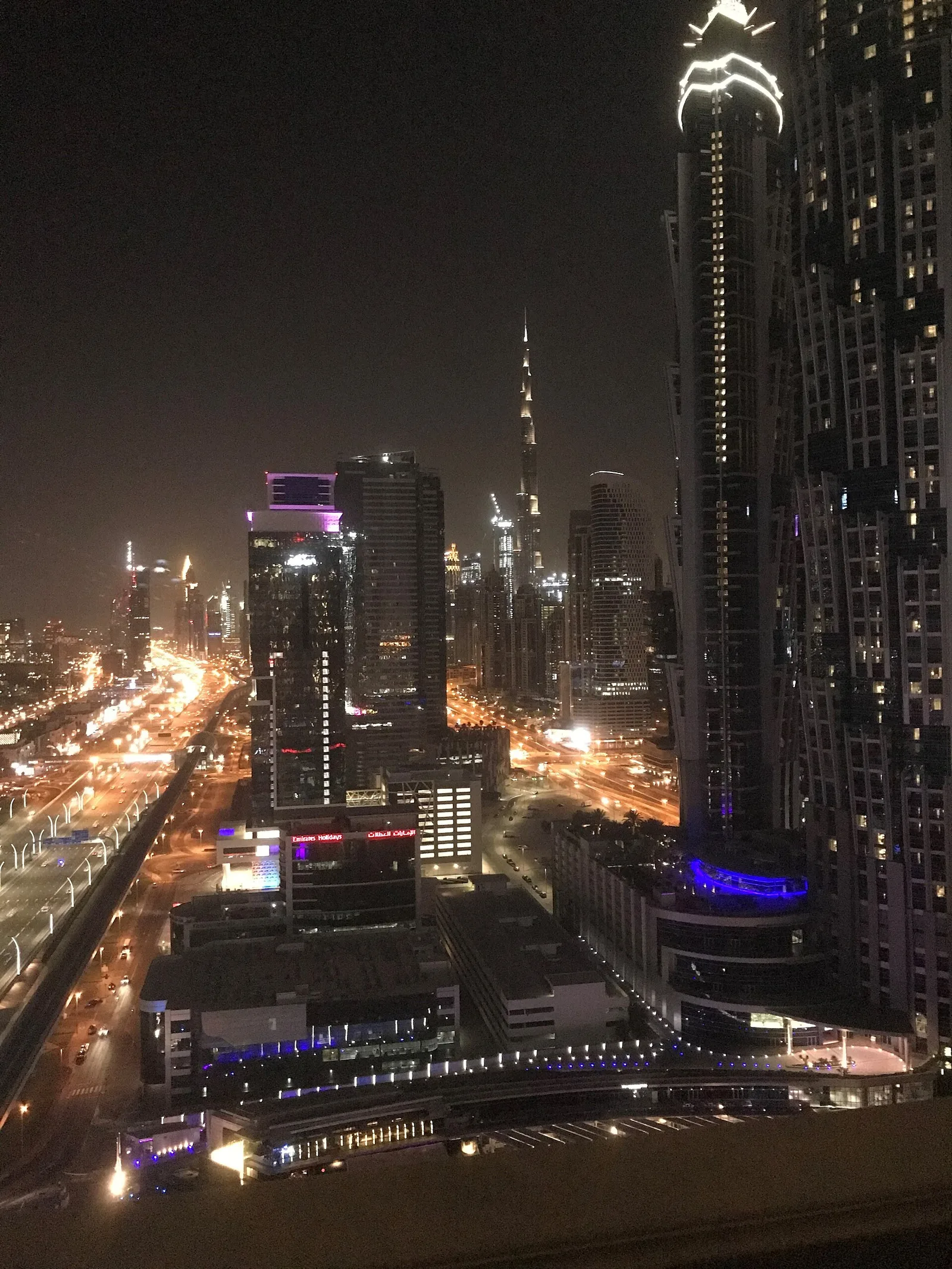
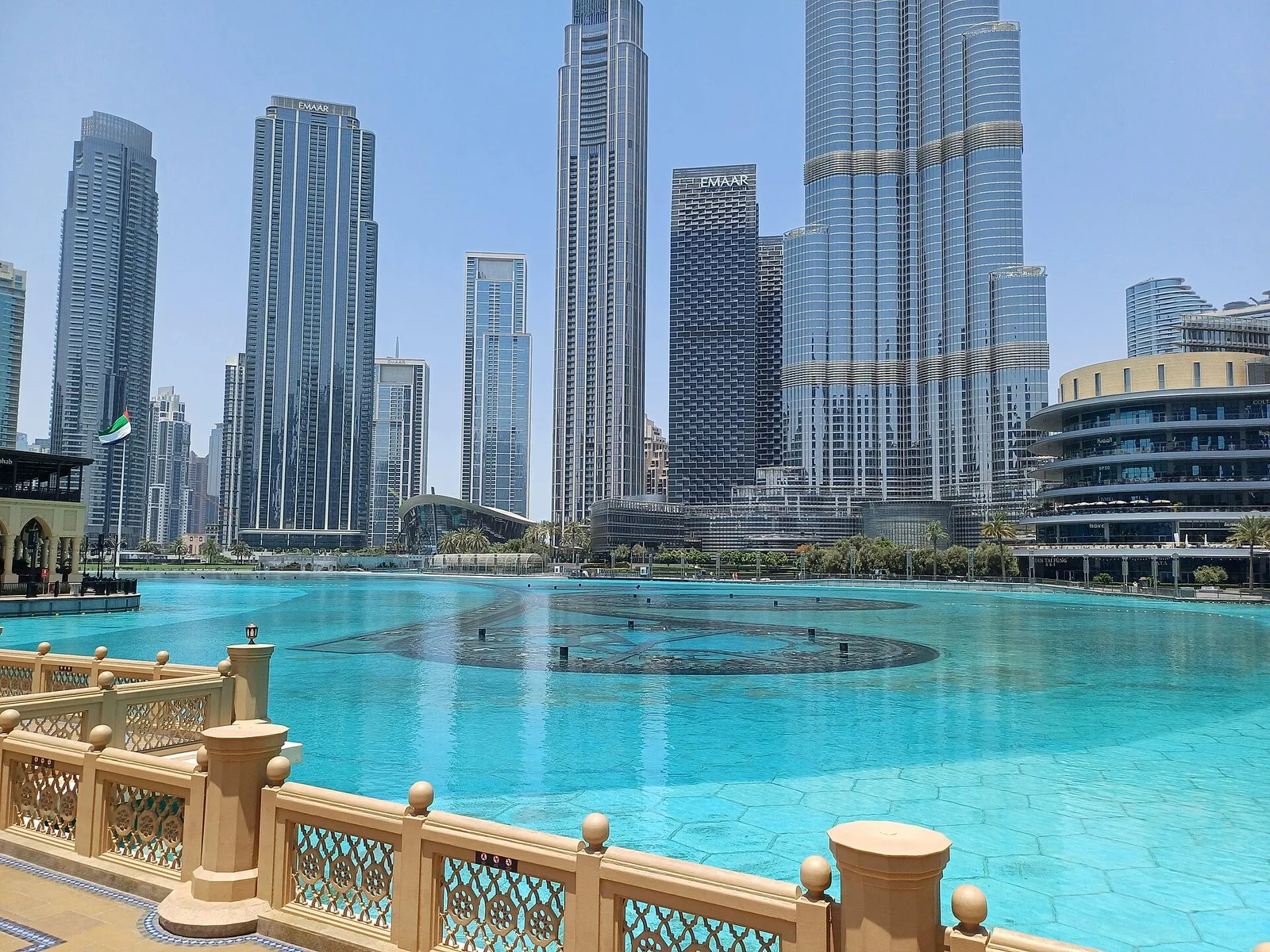
Downtown Dubai puts you at the foot of the Burj Khalifa, the Dubai Mall and the Fountain, ideal for first-timers who want the icons on their doorstep. Dubai Marina and JBR give you a waterfront, a beach and a buzzy dining scene, great for couples and a younger crowd. Deira and Bur Dubai in Old Dubai are cheaper, full of character, and where the souks and the Creek are. Palm Jumeirah is the resort splurge. For a first visit, many people stay Downtown or in the Marina and taxi to the rest.

Getting around
Dubai is easy to move around once you know the three tools. The Metro is clean, cheap, driverless and air-conditioned, running along the main spine of the city past Downtown, the Marina and the Mall of the Emirates. Buy a rechargeable Nol card at any station and tap in and out.
For everywhere the Metro does not reach, use taxis (cream-coloured, metered, plentiful and reasonably priced) or the Careem ride-hailing app, the local equivalent of the global apps. Distances are big and the heat is real, so do not plan to walk between districts. A rental car makes sense only if you plan day trips to Abu Dhabi or the mountains; in the city itself, taxis and Metro are simpler.
Book the desert safari earlyA sunset dune safari is the one Dubai experience worth locking in before you arriveWhat to book ahead, and what to leave loose
Book your first two nights so you land somewhere sorted, your desert safari and your Burj Khalifa At the Top slot (both sell out and cost more last minute), and an eSIM so you have data the moment you switch on your phone. Almost everything else, the malls, the souks, restaurants, the beach, can be arranged on the day. Dubai runs on convenience, so you rarely need to over-plan the small stuff.
Money and tipping
The currency is the UAE dirham (AED), and because it is pegged to the US dollar the rate barely moves from month to month, which makes budgeting here unusually predictable. Prices in this guide and across the city are quoted in dirhams, so check what that converts to in your own currency before you travel. Cards are accepted almost everywhere, but carry some cash for taxis, souks and smaller cafes.
Tipping is not obligatory but is common and appreciated: rounding up taxi fares, a little for hotel staff, and around 10 to 15 percent in restaurants if service is not already added. Nothing is expected the way it is in some countries, so tip when the service is good rather than out of pressure.
Local etiquette and small courtesies
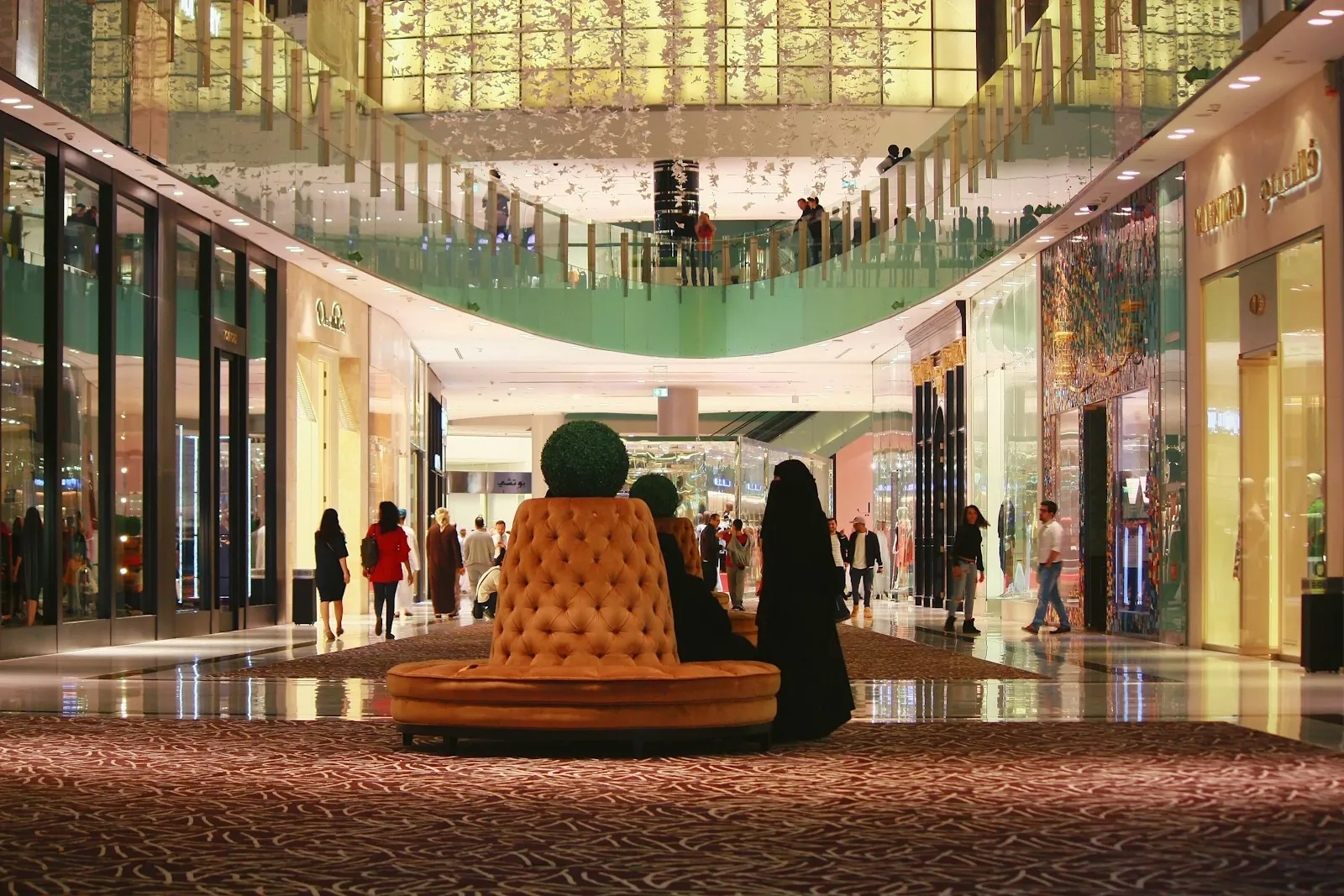
Dubai is cosmopolitan and relaxed by regional standards, but it is still a Muslim city, and a little awareness goes a long way. Dress modestly in malls, souks and public areas, shoulders and knees covered is a safe rule, and swimwear stays at the beach, the pool or the beach club. If you visit a mosque, women cover their hair and everyone covers arms and legs.
Alcohol is served in licensed venues, hotels, bars and restaurants, but not in the street, and public drunkenness is taken seriously. Public displays of affection are best kept low-key. During Ramadan, eating and drinking in public during daylight is limited, though hotels make quiet arrangements for guests. None of this is heavy going; treat the city with the same respect you would anywhere, and you will feel very welcome.
What three or four days looks like
Dubai rewards grouping by district, because the city is long and the heat punishes zig-zagging.
| Day | The shape | Why |
|---|---|---|
| One | Downtown: the tower, the mall, the fountain in the evening | Everything within a short walk, indoor options in the heat |
| Two | Old Dubai: the Creek, the abra, the souks, then the Marina at night | The city’s two opposite characters in one day |
| Three | Desert safari from mid-afternoon | It eats an evening, so keep the day light |
| Four | Beach or waterpark, or a day trip to Abu Dhabi | The slow day most itineraries forget to include |
The principle is one cluster per day with an indoor middle. Our guide to the top attractions covers what is in each cluster and which ones need booking, and it is worth reading as a menu rather than a checklist: three or four done properly beats ten done at a jog.
If you have a fifth day, the best use of it is usually nothing at all. Dubai is a city where the hotel pool at four in the afternoon is a legitimate activity.
The two things to book before you land
Almost everything here can be arranged on the day. Two things cannot, and they are the two most people came for.
The observation deck is the first. Sunset slots at the top of the tower sell out furthest ahead, cost more than daytime entry, and are the ones worth having; our Burj Khalifa tickets guide explains the difference between the tiers and which hour to aim for.
The desert safari is the second, and in the cool season the good operators genuinely fill weeks in advance.
There is a third worth knowing about because it catches people out: the Museum of the Future releases timed tickets on a schedule and routinely sells out days ahead, which surprises visitors who assume a museum can be walked into. If it is on your list, treat it like a show rather than a gallery.
Packing, and the practical bits
Dubai is an easy place to pack for, with a few specifics worth getting right.
Clothes should be light and breathable, with something that covers shoulders and knees for public places and religious sites, and a layer for indoors, because the air conditioning is fierce enough to be cold. Swimwear belongs at the beach, the pool or the beach club rather than on the way there.
Sun and water matter more than people expect. Strong sun protection, sunglasses, a hat and a refillable bottle are the four things you will use daily, and dehydration creeps up in dry heat because you sweat less visibly.
Connectivity is worth sorting before you land: an eSIM means maps and ride-hailing work the moment you switch your phone on, which matters in a city where you will rely on both.
Adaptors and cash. Cards work almost everywhere, but keep some notes for taxis, the abra crossing and the souks, where cash is still normal and haggling is expected.
Beyond the city, if you have time
Dubai sits within easy reach of two very different escapes, and either turns a city break into a fuller trip.
Abu Dhabi, a straightforward drive or coach ride away, holds the country’s grandest mosque and a cluster of major museums and theme parks, and works comfortably as a long day out. It asks more of you in dress code than Dubai does, particularly at religious sites, so plan for that rather than borrowing at the gate.
The mountains and the east coast are the surprise. Within a couple of hours the landscape turns to bare rock and wadis, and the pace drops to almost nothing. This is the context in which renting a car makes the most sense, since public transport does not reach it and a day out there is the antidote to everything the city is.
Two more things worth reading before you book
The month decides more here than anywhere else in this guide, because the difference between January and August is the difference between an outdoor holiday and an indoor one; our best time to visit guide sets out what each part of the year delivers and what it costs.
The indoor list matters for the same reason. Even in the cool season the middle of the day belongs indoors, and the aquarium inside the main mall is the most convenient of the options; our aquarium and underwater zoo guide covers what is included and whether the combined ticket is worth it.
The short version
Go in the cool season if you can, base yourself Downtown or in the Marina, check your own visa rule before you fly (and arrange one in advance if you travel on a South African passport), and lean on the Metro and taxis rather than walking. Book the desert safari, the Burj Khalifa slot and an eSIM ahead, dress modestly away from the beach, and keep some days loose for the malls and souks. Do that, and your first Dubai trip will feel less like a logistics puzzle and more like the easiest big adventure you have ever taken.
One area of local law confuses visitors more than any other, and the rules have changed recently. Our guide to alcohol in Dubai covers the licence, the venues and where you can legally drink.
One question first-time visitors ask more than any other is whether they can go inside a mosque here. At Jumeirah Mosque the answer is yes, through a hosted visit built around questions, and our guide to visiting Jumeirah Mosque explains how the sessions run and what the dress code actually requires.