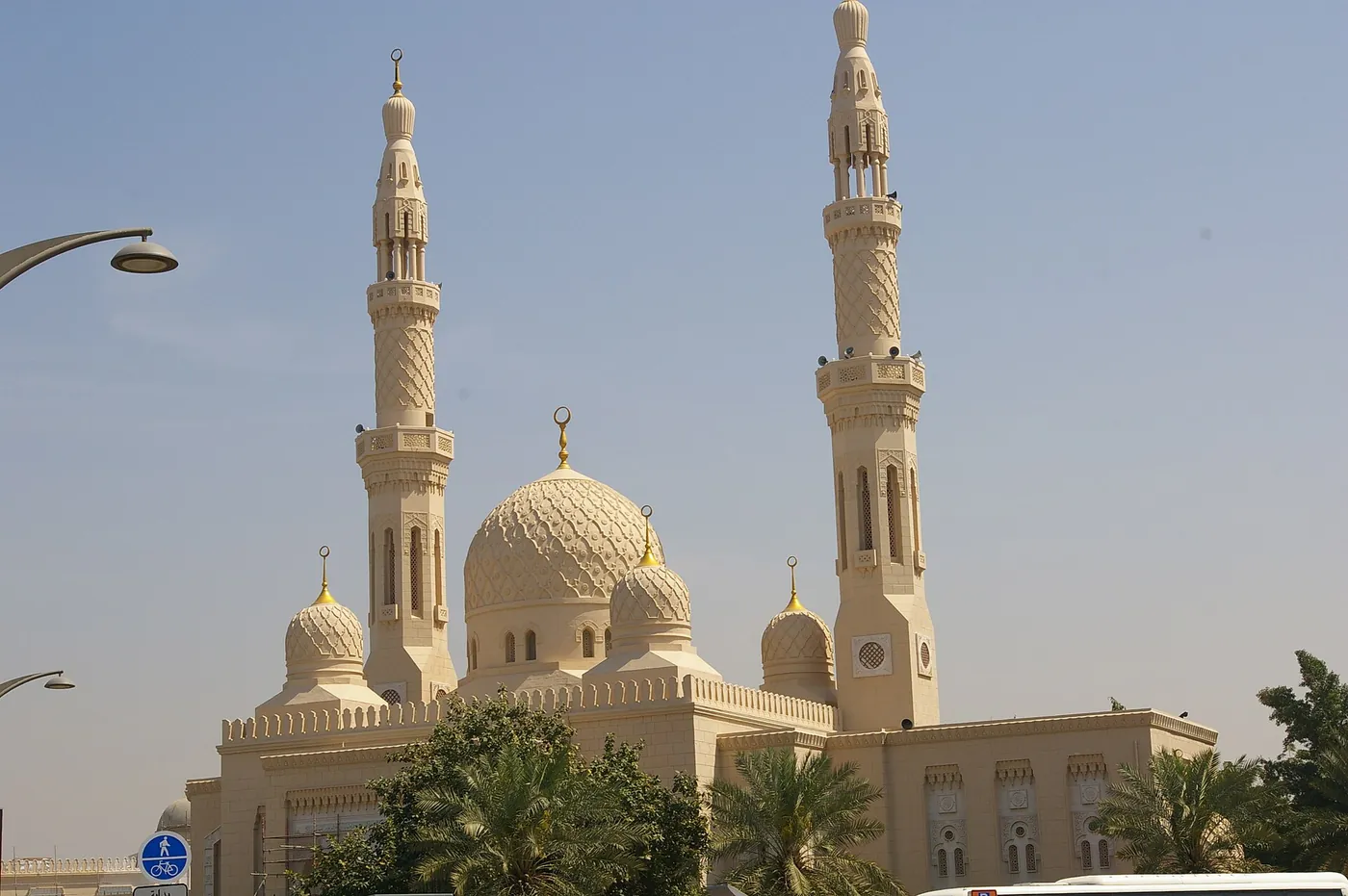
Most visitors photograph Jumeirah Mosque from the pavement. It is on a main road in a well-known neighbourhood, it is genuinely beautiful in the late afternoon, and a photograph of the twin minarets against a blue sky is on a great many phones by the end of any given week.
Far fewer people go inside, which is a shame, because going inside is both possible and one of the more worthwhile hours available in this city. Jumeirah Mosque is the long-standing exception to the general rule that working mosques in Dubai are not open to non-Muslim visitors, and the way it manages that openness is the interesting part.
Why this mosque and not the others
Dubai has a great many mosques and almost none of them receive visitors. Jumeirah Mosque is the exception because it operates a formal visitor programme in partnership with the Sheikh Mohammed Centre for Cultural Understanding, an organisation set up specifically to explain local culture and religious practice to people who are not from here.
Their motto, repeated at every session, is “open doors, open minds”, and the structure follows from it. This is not a walk-through with a rope line. It is a hosted session in which someone explains what the building is for, how prayer works and why the practice looks the way it does, and then invites the room to ask whatever it actually wants to know.
The question period is the reason to go. Visitors ask about prayer times, about fasting, about what women do and do not do, about how a modern city with a hundred nationalities in it handles a religious calendar. The guides answer directly and without defensiveness, and they say plainly when something is a matter of local custom rather than religious requirement. That distinction is hard to get from any guidebook.
What to wear, in practical terms
The rule is modest dress for everybody: shoulders and knees covered, for men and women alike. Women additionally cover their hair with a scarf. Shoes come off before you enter the prayer hall.
In practice this means long trousers or a long skirt, and a top with sleeves. Loose is better than tight, both because it reads as more respectful and because you will be outside in Dubai either side of the session. A light scarf packs into nothing and solves the head covering without any fuss.
Traditional garments and headscarves are generally available at the mosque for visitors who arrive unprepared, and nobody is turned away for not owning the right clothes. Treat that as a safety net rather than as your plan. Borrowing an abaya at the door is a slightly self-conscious way to begin an hour that works better if you arrive comfortable and unbothered.
How the session runs
Expect roughly an hour and a quarter, in three parts.
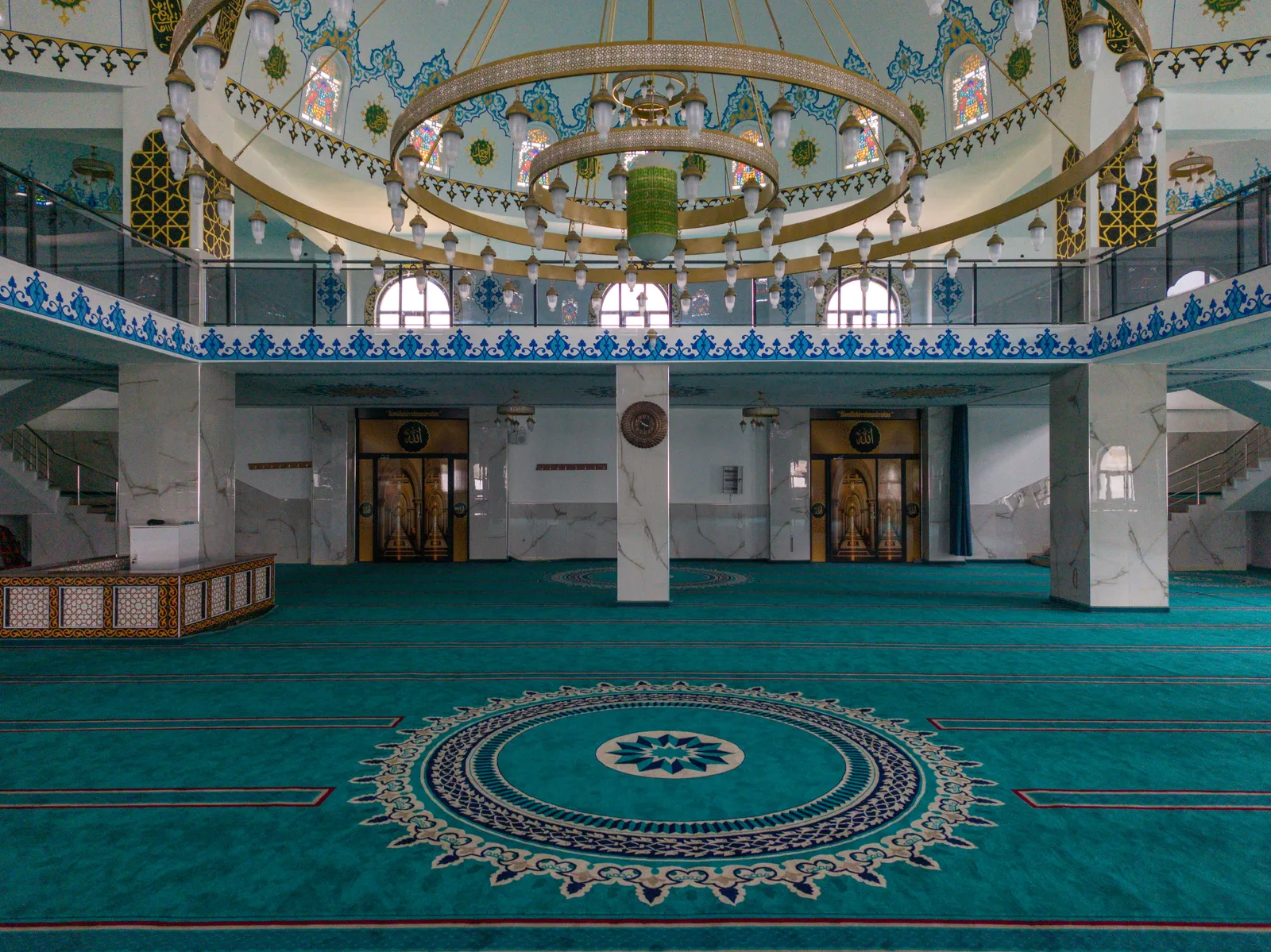
The building. A short explanation of the architecture, which is modern Fatimid revival in white stone rather than an ancient structure, and of what the various parts of a mosque are for. The minarets, the dome, the mihrab and the direction of prayer all get covered.
The practice. A demonstration and explanation of the prayer itself, the five daily prayer times, the washing that precedes them, and what the call to prayer that you have been hearing across the city all week is actually saying.
The questions. The longest and best part. There is no list of approved topics, and the guides are explicit that no question is off limits. This is where visitors get the answers they were too polite to ask for anywhere else.
Light refreshments are sometimes served, and the hospitality is part of the point rather than an add-on.
Timing, and the thing that catches people out
Sessions run at set times on most days rather than continuously through the day, and the schedule is managed by the centre rather than by the mosque as a walk-in operation.
🔴 Confirm the current schedule before you plan around it. Days, times and the booking arrangement all change from time to time, and they change more around Ramadan and public holidays than at any other point in the year. The centre publishes the current position at cultures.ae. A five-minute check the day before is the difference between a good morning and a locked gate, and it is the single most common way this visit gets missed.
Mornings are the norm, which suits the rest of a Jumeirah day well: the mosque first while it is cool, the beach afterwards.
What else is within walking distance
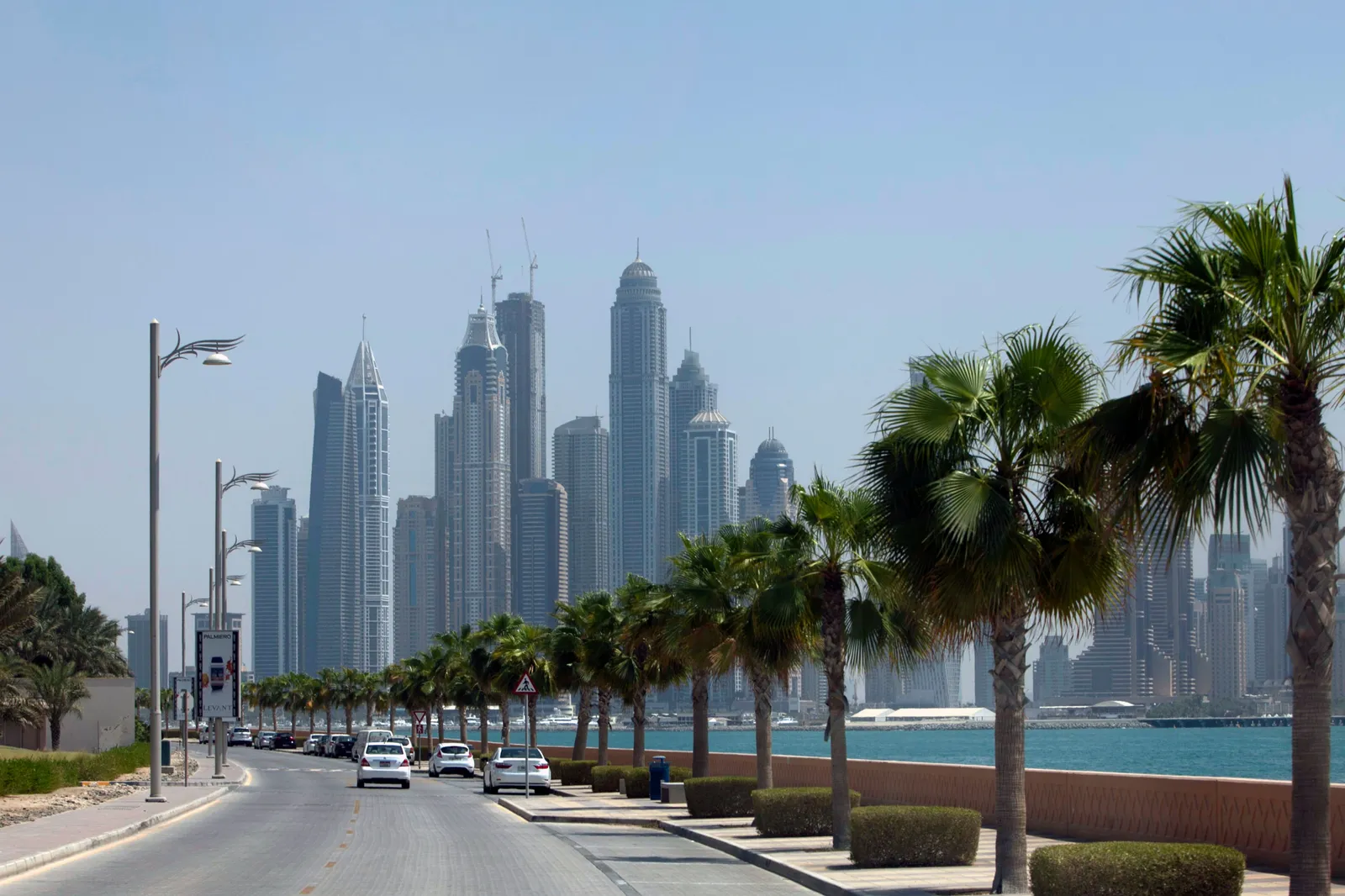
Jumeirah Mosque sits on the coastal side of the city rather than downtown, which means the obvious pairing is the sea.
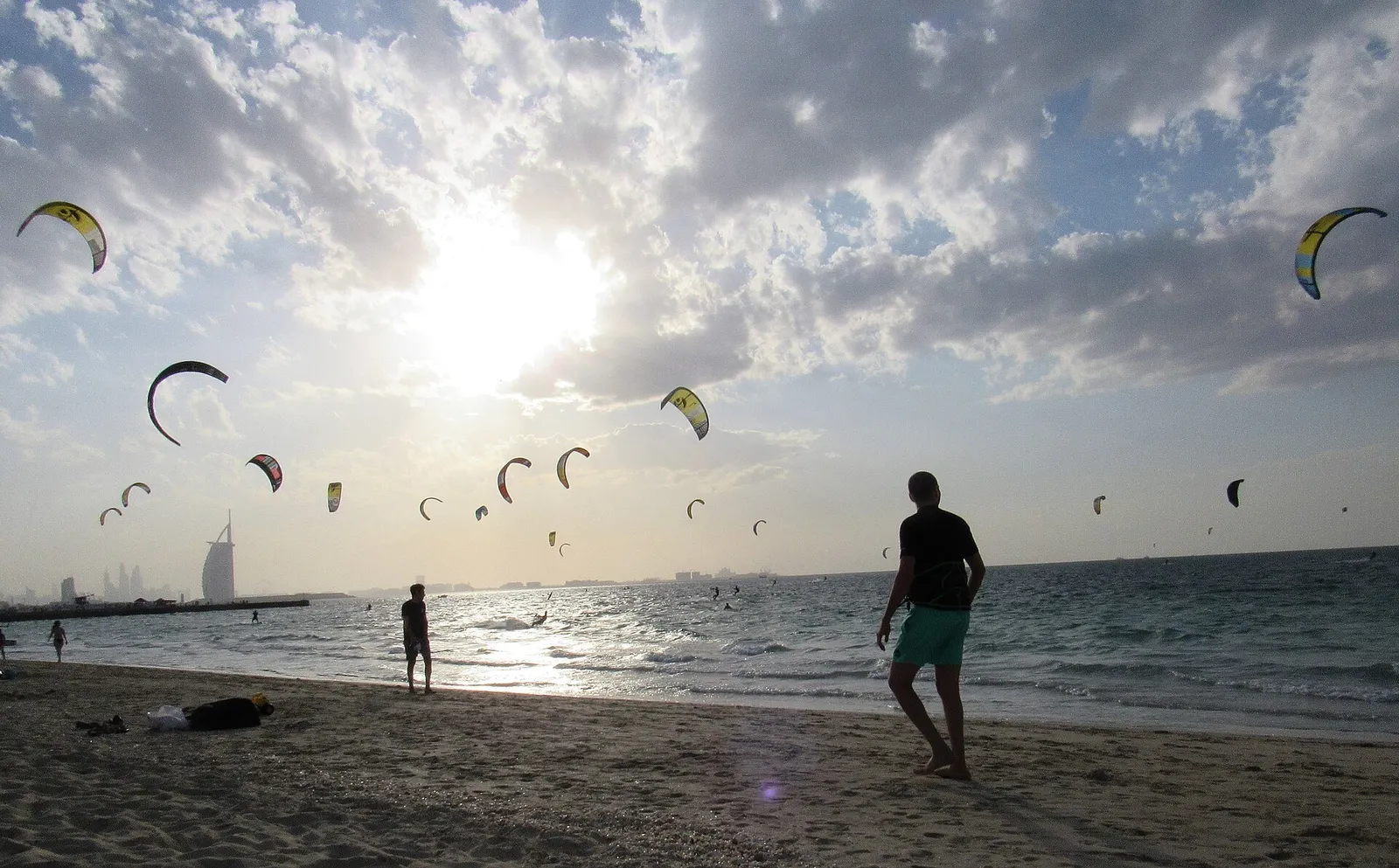
Kite Beach is a short drive along the coast and is the more energetic option, with a running track, watersports and a long view back towards the Burj Al Arab. Our guide to Kite Beach covers the facilities and the best time of day to be there.
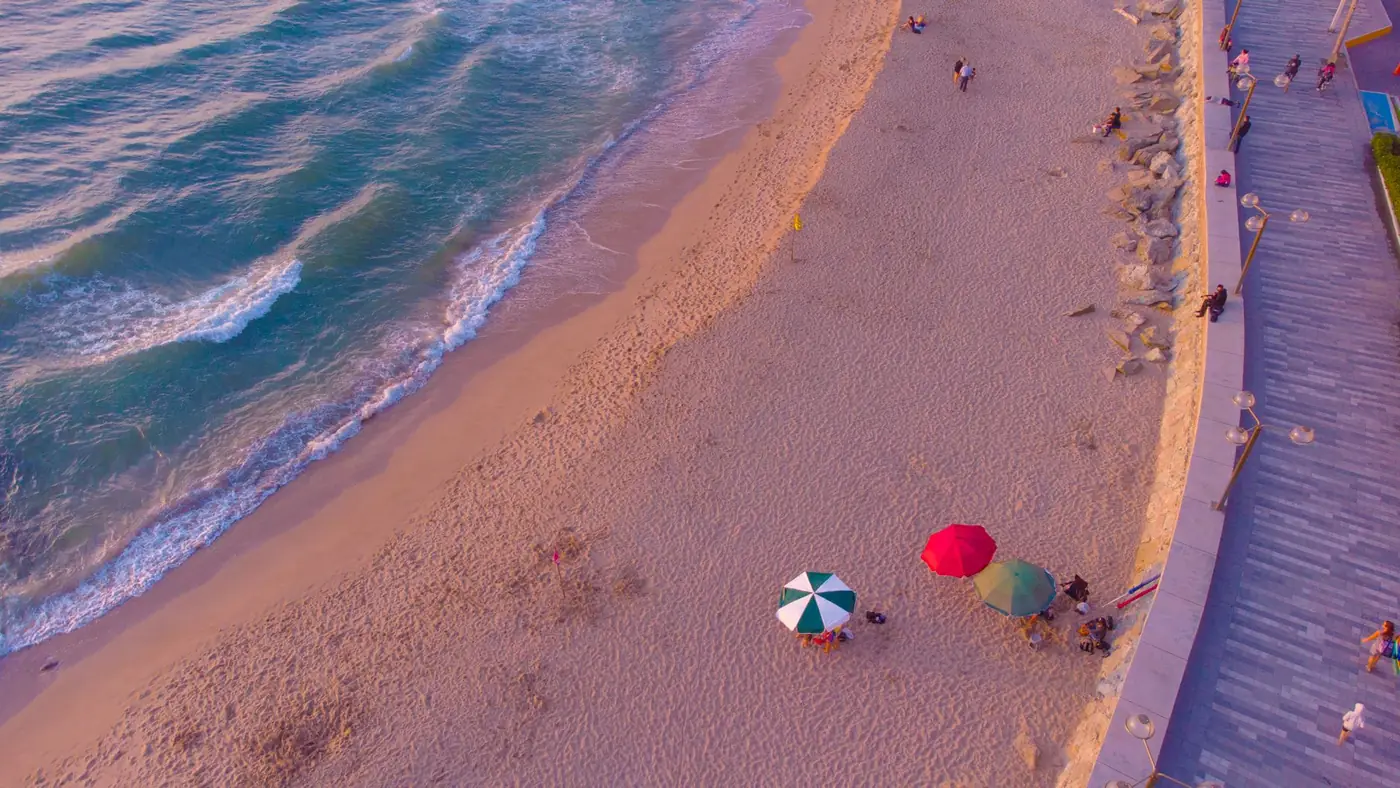
La Mer and the JBR beachfront are the other direction and are more about eating and sitting than swimming lengths. Our guide to La Mer and JBR explains how the two differ and which suits which kind of afternoon.
Either makes a natural second half to the day. The contrast between the two halves is itself part of what makes Dubai interesting: an hour discussing prayer, and then a beach club.
Is it worth an hour of a short trip
If your trip is three days and built entirely around the skyline, you can skip it and you will not have failed at Dubai.
If any part of your interest in coming here was in understanding the place rather than photographing it, this is the highest-value hour on offer, and it costs a fraction of any observation deck. Our first-time guide to Dubai sets out the customs and expectations that visitors ask about most, and a session at Jumeirah Mosque is the one place where you can ask the rest of those questions of somebody whose job is to answer them.
In one line: go with a question you actually want answered, and it stops being sightseeing.