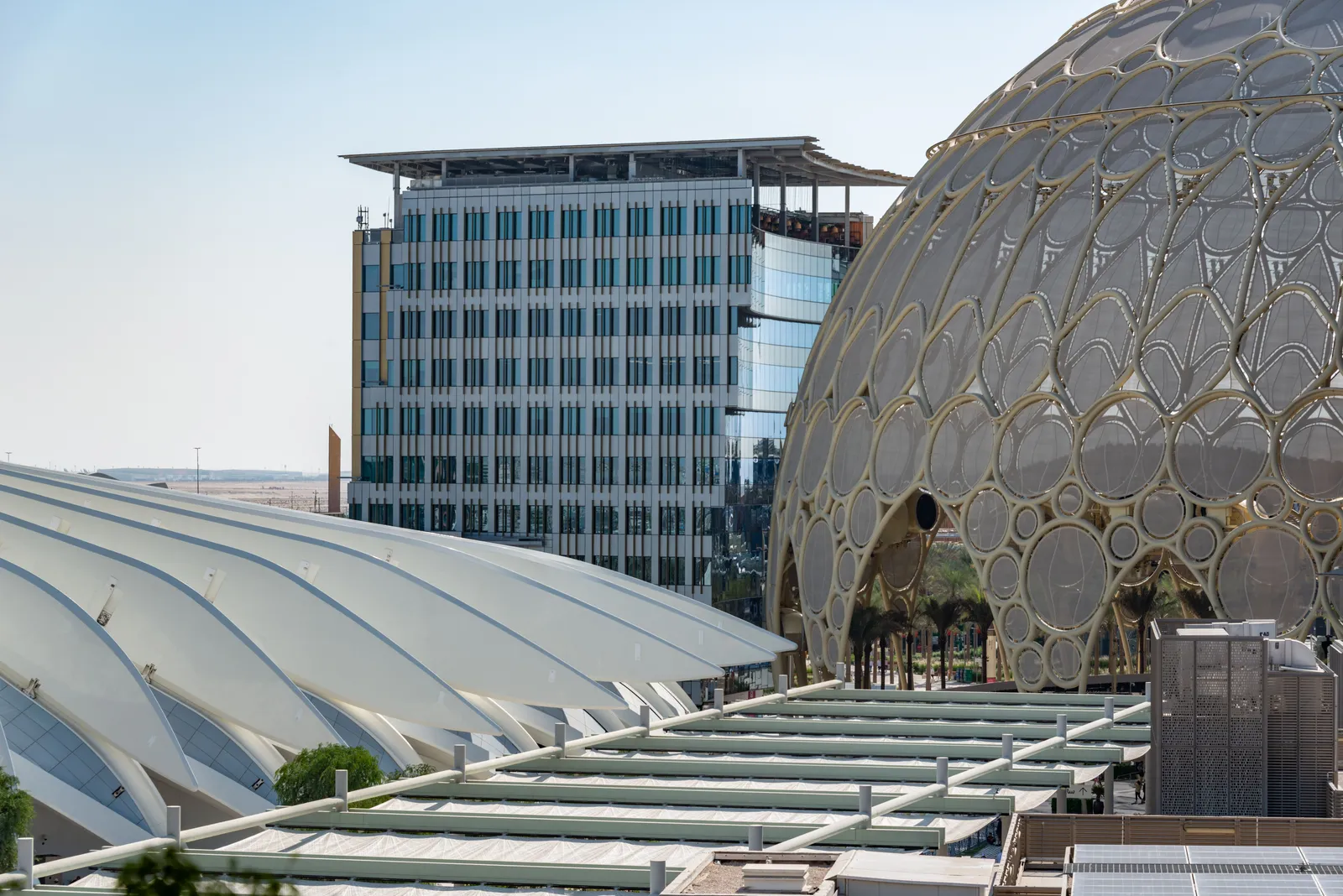
Expo 2020 Dubai ran for six months, drew a huge number of visitors from around the world, and then, unlike most world expos, did not simply close and get demolished. The site reopened the following year as Expo City Dubai, a permanent district built on the same footprint, keeping the parks, the plaza and a selection of the strongest pavilions while converting the rest of the land into offices, homes and an innovation district. If you are wondering whether it is worth a visit now, or what actually survived from the original event, this guide covers what is there, what changed, and how to plan a visit around it, alongside Expo City’s neighbour on the family attractions list.
From world expo to permanent district
Expo 2020 Dubai opened in October 2021, a year later than its name suggests because of a global postponement, and ran through to the end of March 2022. During those six months the site held pavilions from more than a hundred participating countries, along with thematic pavilions built by the organisers themselves, and it functioned as a temporary city in its own right, with its own transport, catering and infrastructure.
Rather than dismantling all of it once the expo ended, the organisers reopened the core of the site later that year as Expo City Dubai. The plan kept the permanent buildings, the extensive parks and green space, and a curated selection of the pavilions that had been built to last, while clearing space around the edges for a new business and residential district known as District 2020.
What is still there from the original Expo
Al Wasl Dome, the vast lattice dome at the centre of the site that served as the visual symbol of the whole expo, remains the centrepiece, with the plaza around it used for gatherings, light shows and events.
A handful of the thematic pavilions, the larger permanent structures built around subjects such as sustainability and mobility, continue to operate as standalone attractions with hands on exhibits, rather than the country specific pavilions that were mostly temporary.
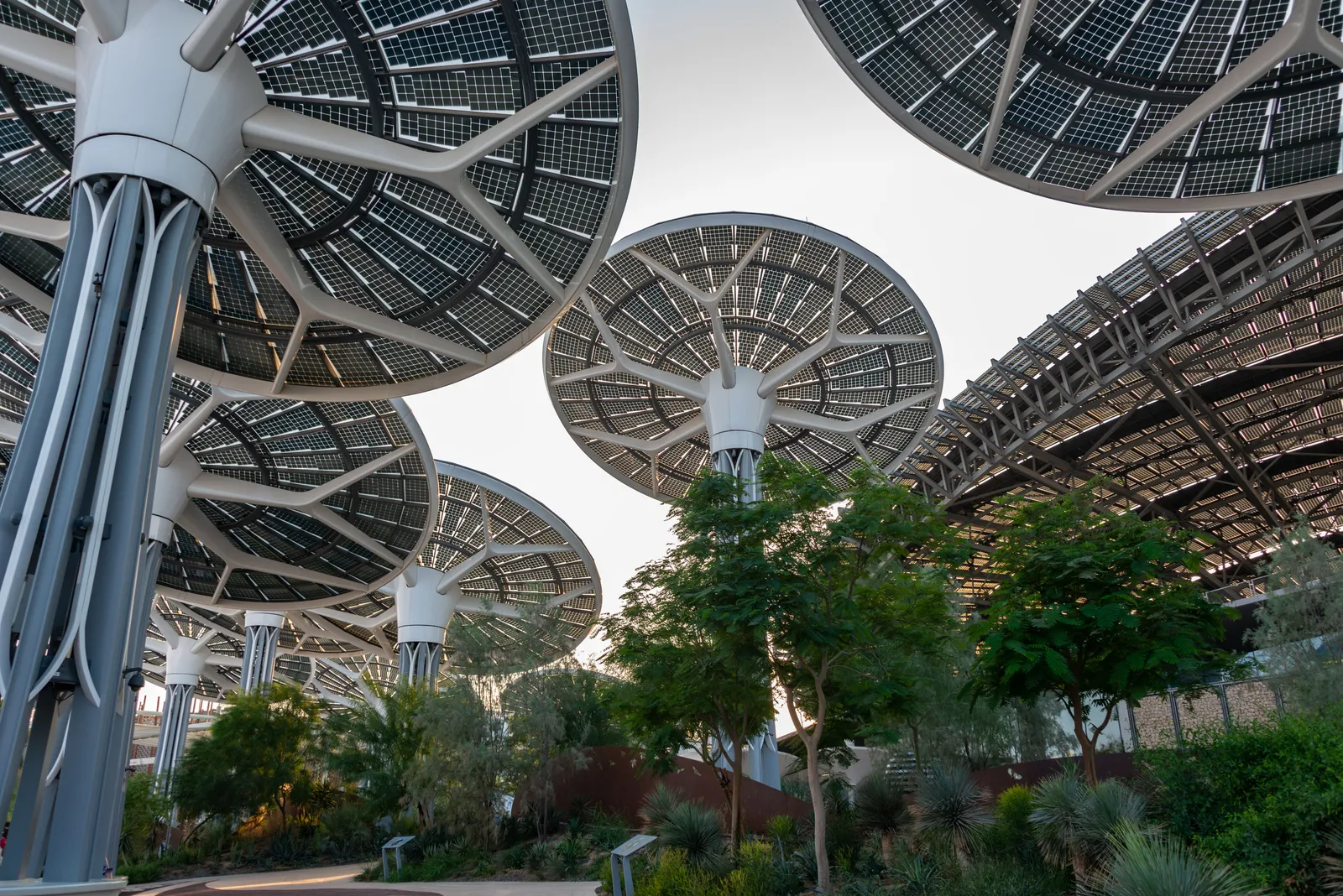
The gardens and public realm, which were always intended to outlast the expo itself, form the bulk of what you walk through today, and are considerably greener and more spacious than most attractions in central Dubai.
District 2020, the business and innovation district built into part of the former expo footprint, which is not a visitor attraction as such but explains why the site has a genuine second life beyond tourism.
Which specific pavilions are open, and what exhibits they hold, changes over time as the site continues to evolve, so treat any pavilion by name as something to confirm on the current attraction list rather than a fixed guarantee.
Parks, gardens and what families come for
The single biggest difference between Expo City and most of Dubai’s other big attractions is space. The gardens and landscaped areas were built at the scale of a world expo, and they remain genuinely large, with shaded walking routes, water features and open lawns that are hard to find elsewhere in the city.
For families, this openness matters as much as any single pavilion. Children have room to run that a mall or a museum simply cannot offer, several of the garden areas include playgrounds, and the interactive style of the permanent pavilions tends to suit children better than a traditional museum layout of glass cases and text panels.
Getting there and planning a visit
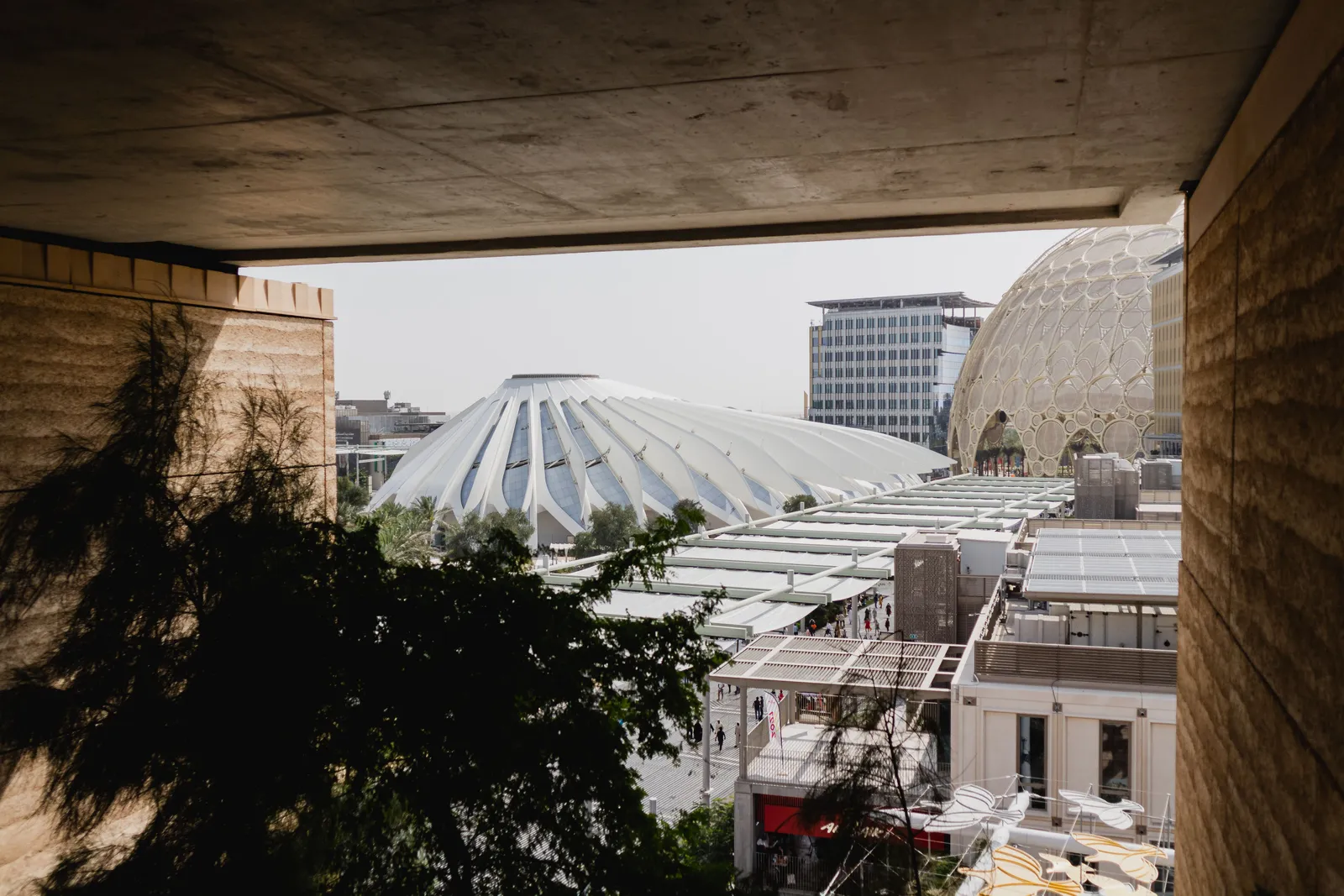
Expo City sits towards the edge of Dubai, well beyond Downtown and the Marina, and the easiest way to reach it without a car is the Dubai Metro Red Line, which runs directly to a station on the site thanks to the extension originally built for the expo. Allow more travel time than you would for a central attraction, particularly if you are coming from the older parts of the city or from Deira.
If you are driving, there is dedicated parking on site, and the layout is considerably more spread out than most Dubai attractions, so plan on doing some walking, or using the site’s internal transport where it is available, once you arrive.
Because it combines free public areas with separately ticketed pavilions and events, it is worth deciding in advance whether you want a simple walk through the gardens and plaza, or a day built around specific paid attractions, since the two make for quite different visits.
Basing yourself out that way for a day or two?Compare hotels near Expo City and the wider Dubai South areaWhere this fits in a Dubai trip
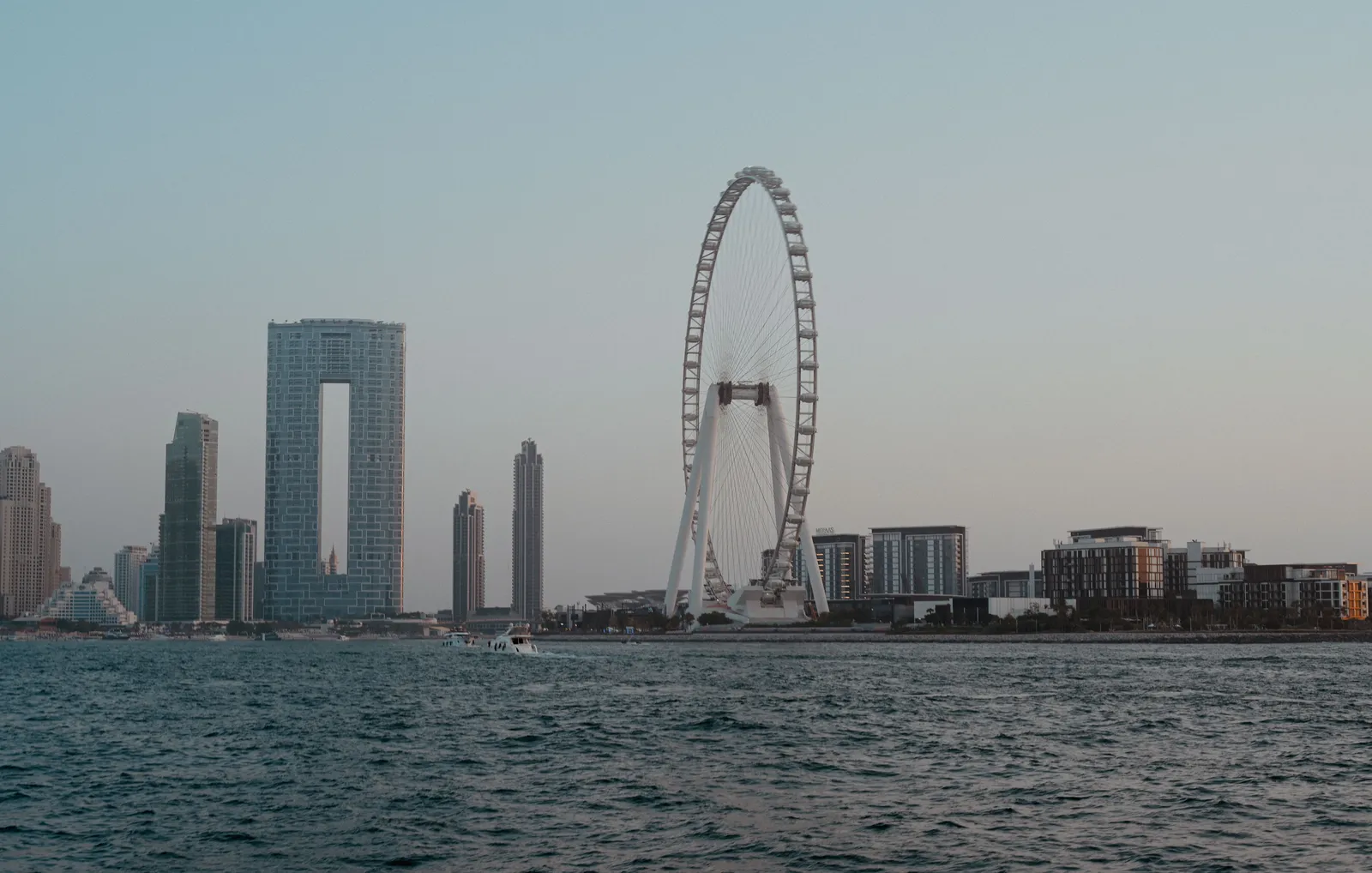
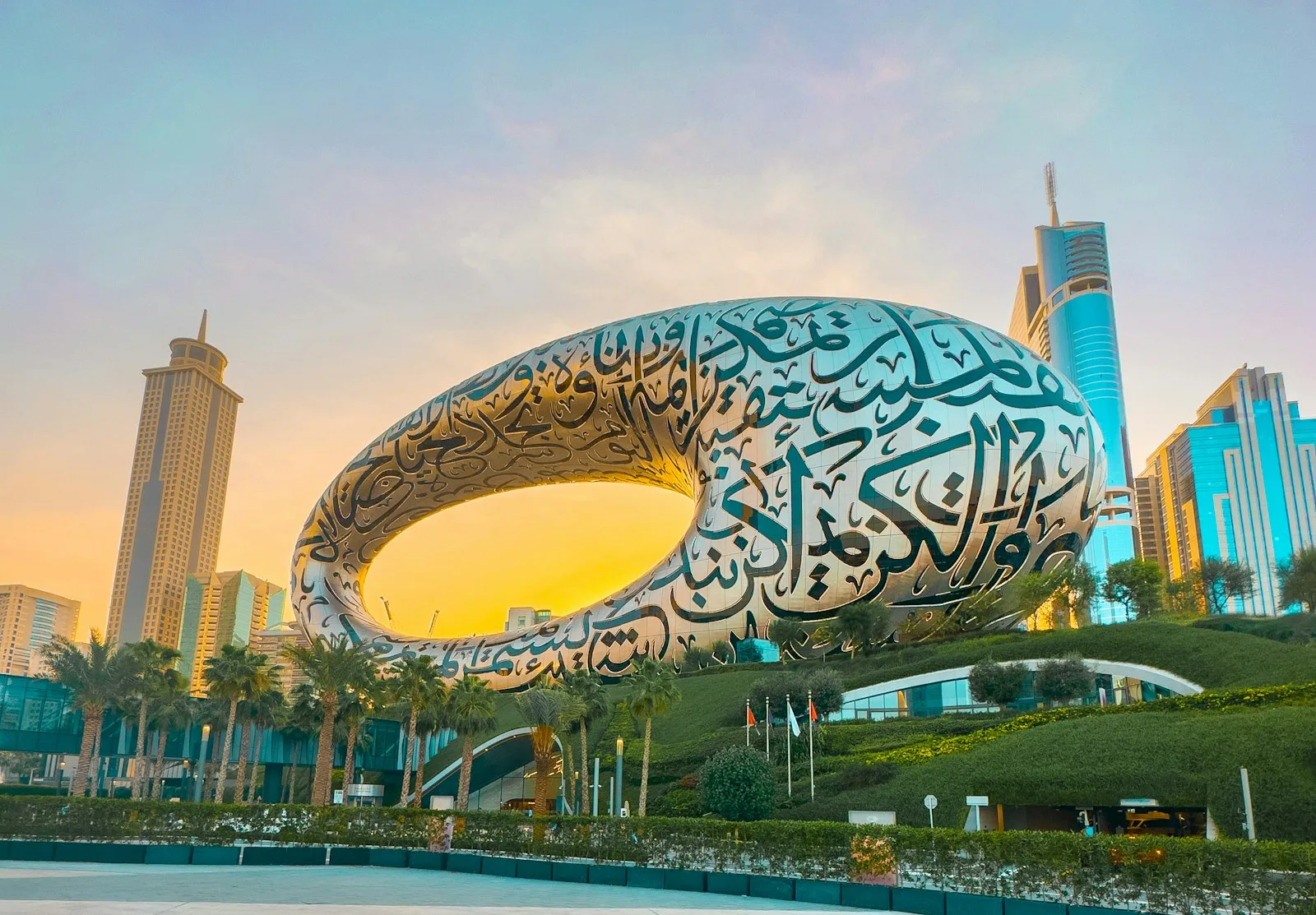
Expo City works best as a half day out rather than a headline stop on a short first visit, and it slots naturally alongside a family focused itinerary or a day that also takes in Ain Dubai on Bluewaters Island. If you are building a trip around Dubai’s landmark modern attractions more broadly, our guide to the Museum of the Future covers the other major post pandemic addition to the city’s skyline, and the two make sense as a comparison: one a single striking building, the other an entire district built to outlast its own opening event.
Check what is currently open and what is happening on the calendar before you go, and Expo City is a genuinely different side of Dubai from the malls and towers most first time visitors see.