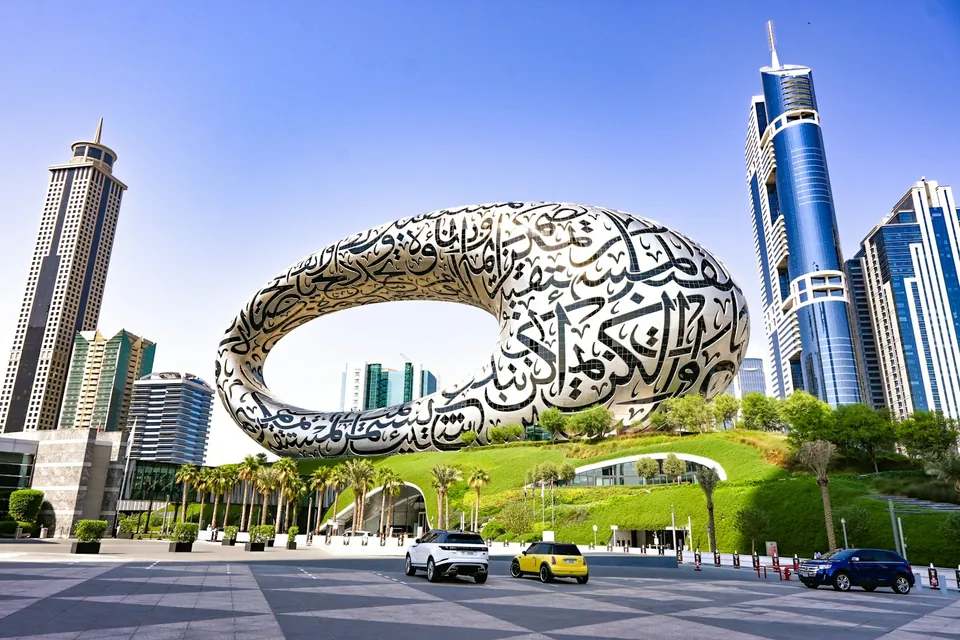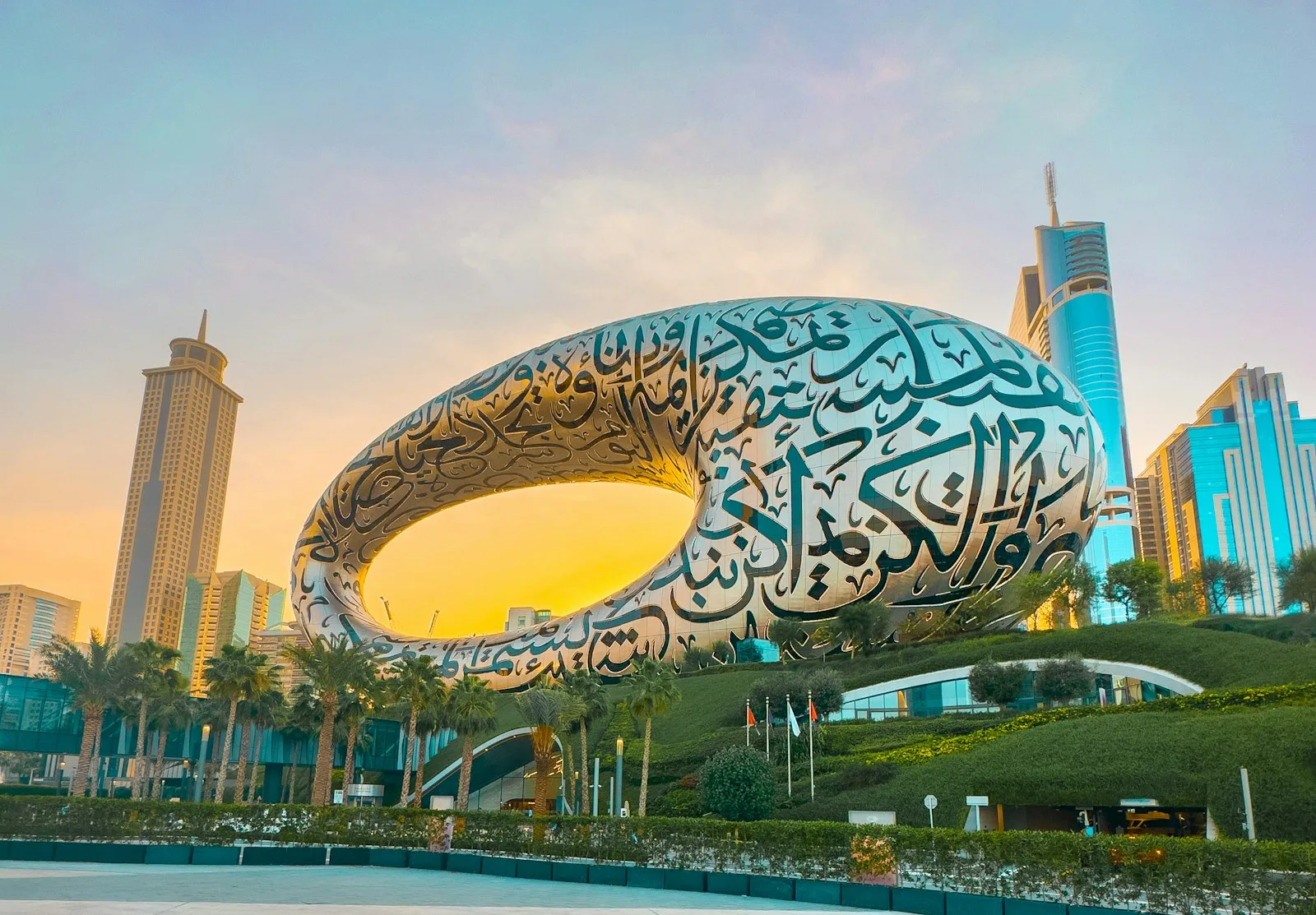
The Museum of the Future is a silver ring standing on a green mound beside a motorway, with a hole through the middle of it and no straight edges anywhere. Its entire surface is Arabic calligraphy, and the letters are the windows. It opened in 2022, it is one of the most photographed buildings on earth, and the thing most visitors do not realise until they try to book is that it is small inside and sells out.
What is actually in it
A linear route that starts at the top and works down, floor by floor.
A space station, presented as a functioning orbital facility, which is the opening and the most theatrical section.
An ecology floor, a digital archive of species presented as a vast library of light.
A wellbeing floor, which is the most abstract and the most divisive: sensory, slow and deliberately unexplained.
A technology and prototypes floor, closest to a conventional exhibition.
A children’s floor, built for younger visitors, hands on and separate.
No objects in the museum sense. There are almost no artefacts and almost no labels of the kind you would expect.
The building
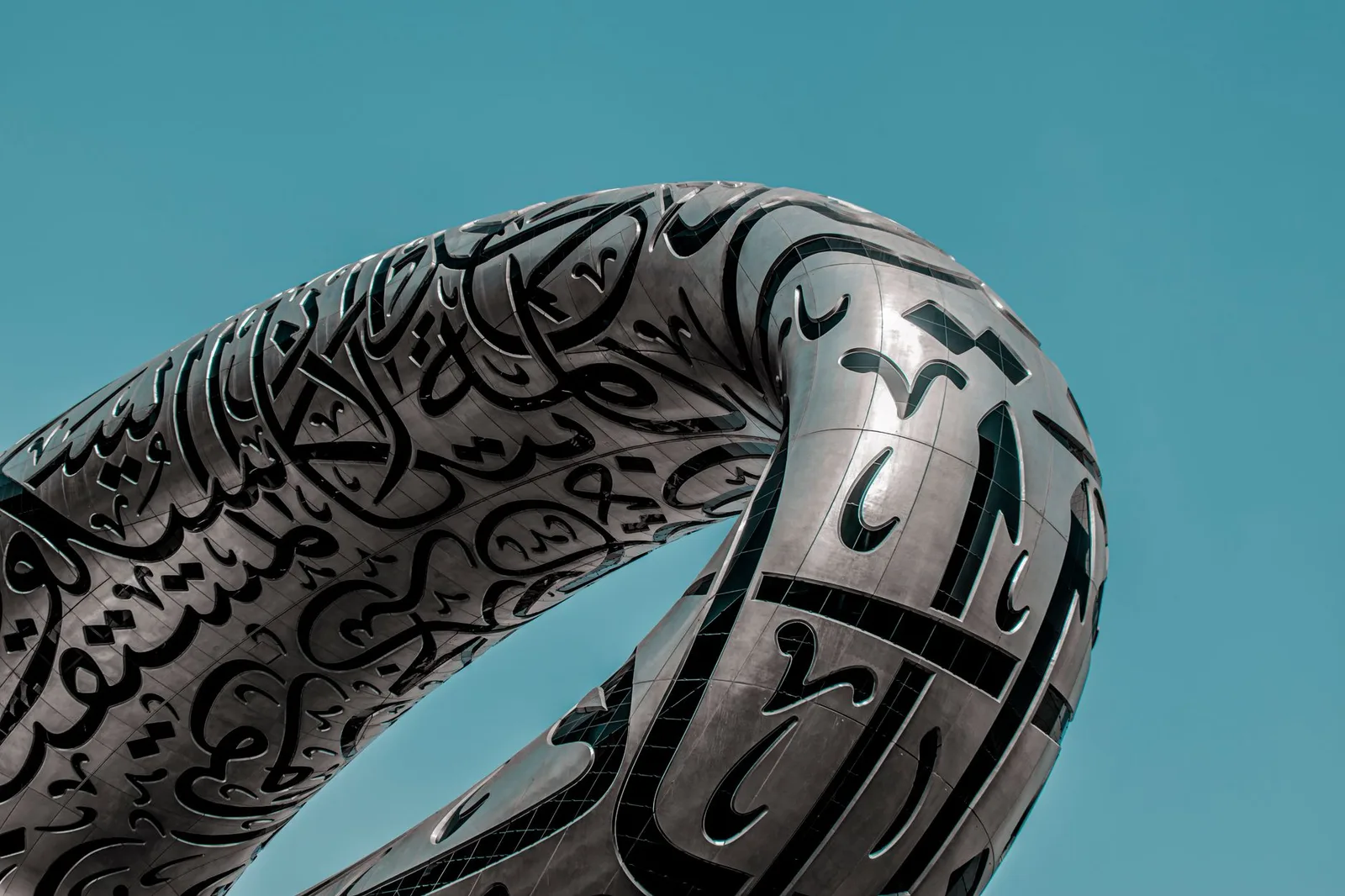
A torus, a ring with a void through the centre, meant to represent the unknown.
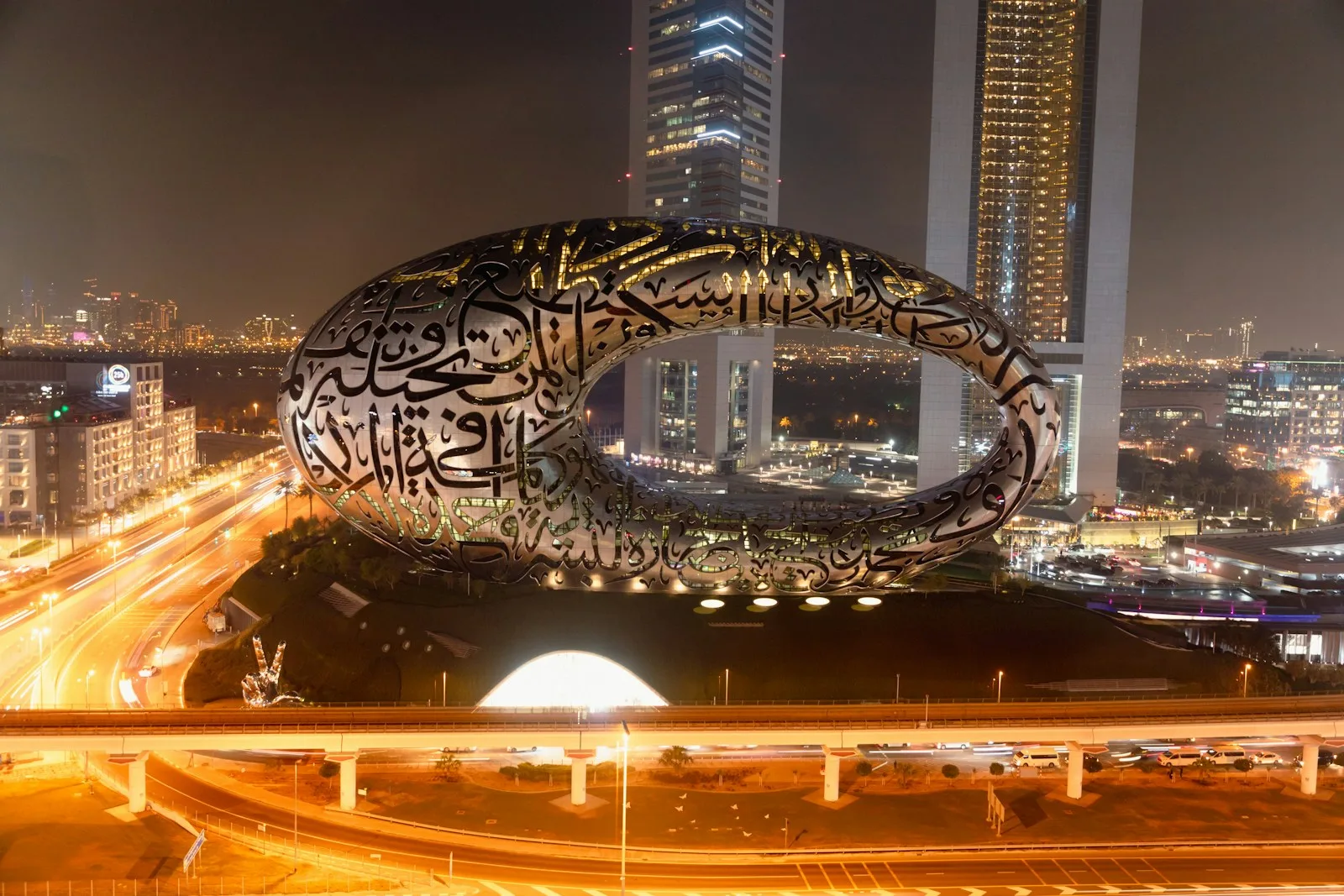
Calligraphy as structure. The Arabic text on the facade is cut through the panels and forms the windows, which is why the light inside falls in the shapes it does.
A green mound underneath it, standing for the earth.
No columns in the exhibition spaces, which is the structural trick that makes the interiors feel the way they do.
Best photographed from the road side in the late afternoon, and from below at night when it is lit.
Getting in
Timed entry, booked online, with a real risk of selling out in the winter season.
Morning slots are quieter and the light through the calligraphy is better.
Allow two to three hours, more with children.
A metro station is nearby and the walk from it is exposed, which matters from June to September.
Photography is permitted throughout and the interiors are built for it, which is part of why the queues at certain points move slowly.
What to pair it with
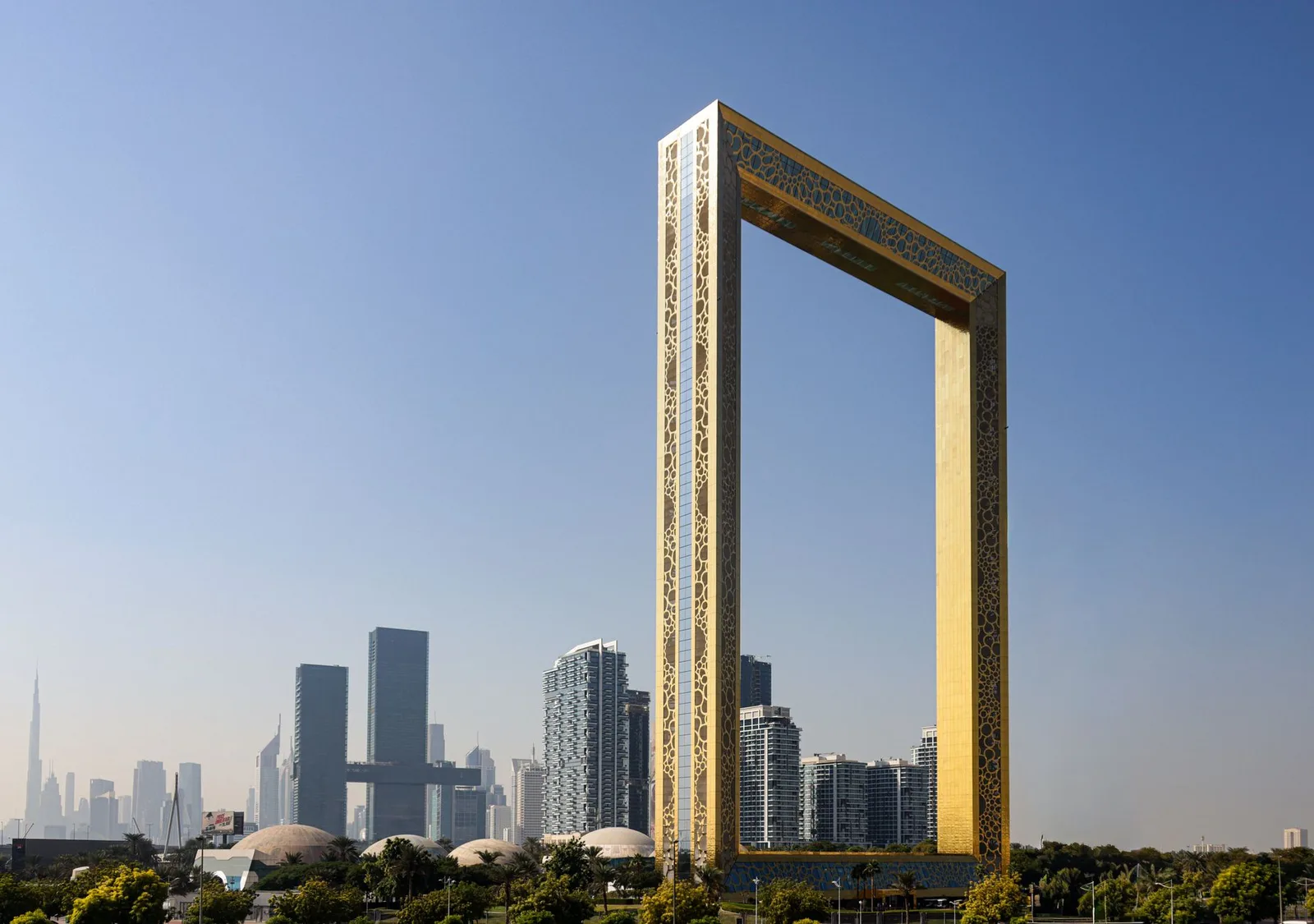
The Dubai Frame, a short drive north, for the historical counterweight to all this futurism.
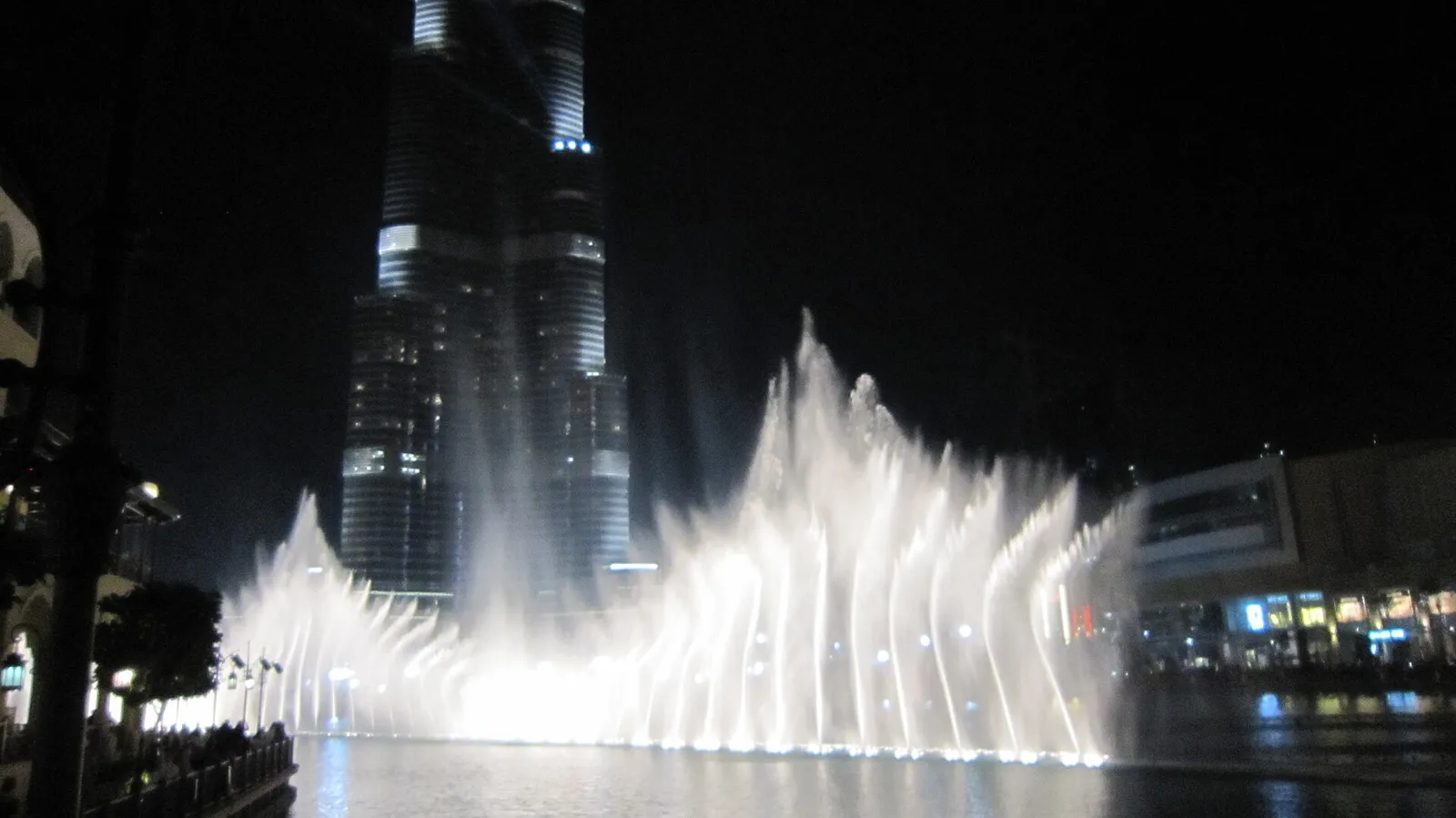
Downtown and the fountain, a short drive south, for the evening.
The financial district immediately around it, which is where the city’s office life happens and is quiet at weekends.
A garden or park nearby for an hour outdoors in the cooler months.
Not another indoor attraction on the same day, because this one is intense and three hours of it is enough.
Practical notes
The ticket is expensive by the standards of museums generally and normal by the standards of Dubai attractions.
Reduced rates apply for children and some categories, and very young children are usually free.
Accessibility is good, with lifts throughout and a step free route.
Bags go through security at the entrance.
There is a shop and a cafe, and eating properly is better done elsewhere.
Where this fits in a Dubai trip
This is a half day and the one fixed point most itineraries need to be built around.
For where it sits among everything else in the city and what else deserves a booking, our guide to Dubai’s top attractions covers the list.
For the other landmark on the same road, cheaper and about the past as much as the future, our guide to the Dubai Frame covers the visit.
And for the evening that naturally follows an afternoon here, our guide to the Dubai Fountain covers where to stand.
The short version
Book this before anything else on your Dubai list, because it is the attraction that genuinely sells out. Take a morning slot, allow two to three hours, and go in expecting an immersive designed experience rather than a museum of objects, which is the single thing that decides whether people love it or resent the price. Photograph the building from the road in the late afternoon as well as from inside. And pair it with the Frame or Downtown rather than with a second indoor attraction.
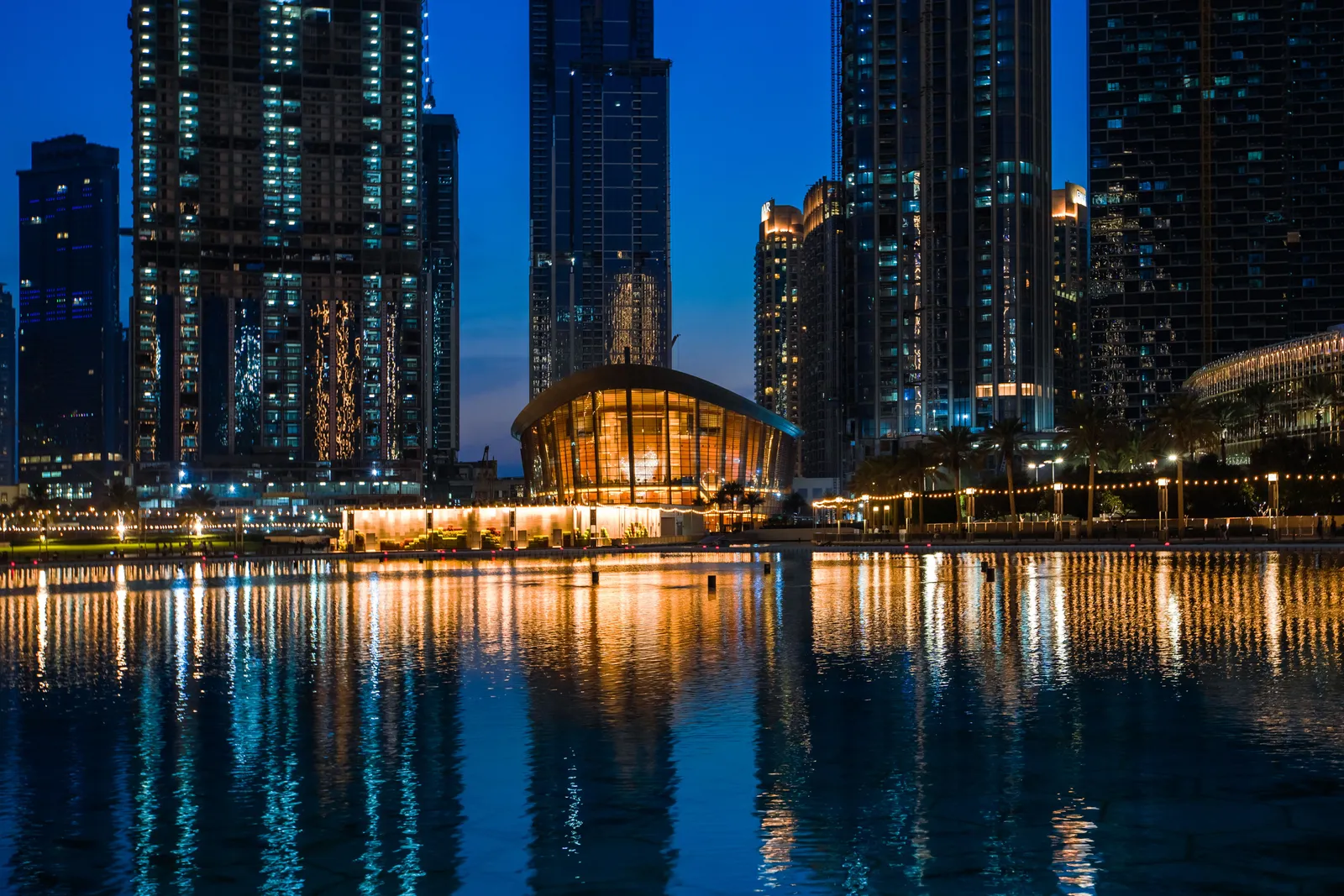
A short walk away sits the city’s main performing arts venue, and the district around it is worth the evening on its own. Our guide to Dubai Opera covers what to see and what surrounds it.