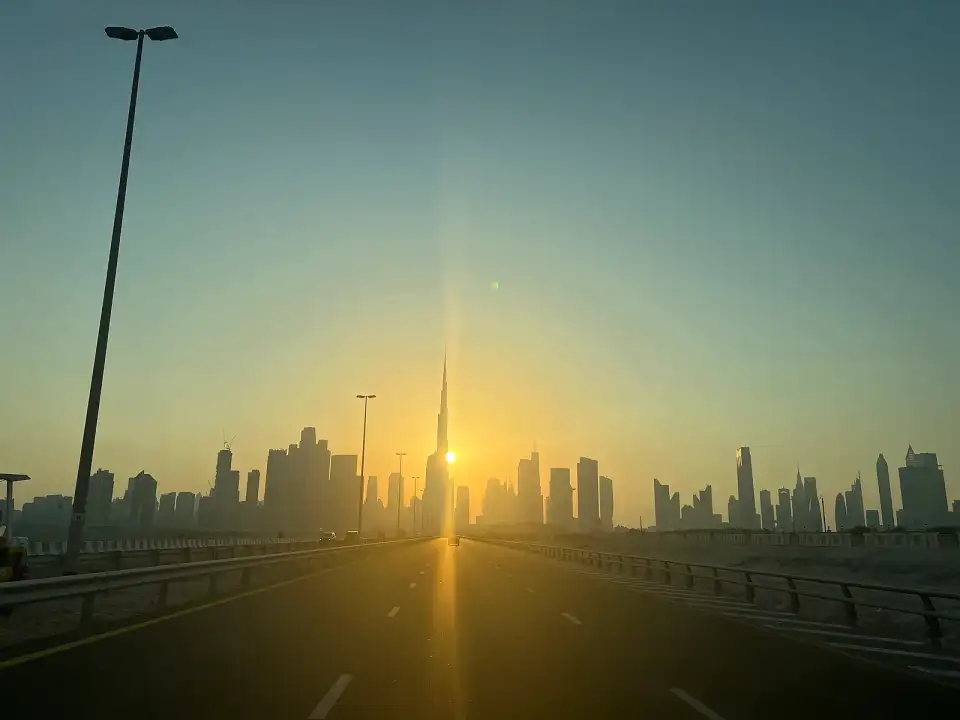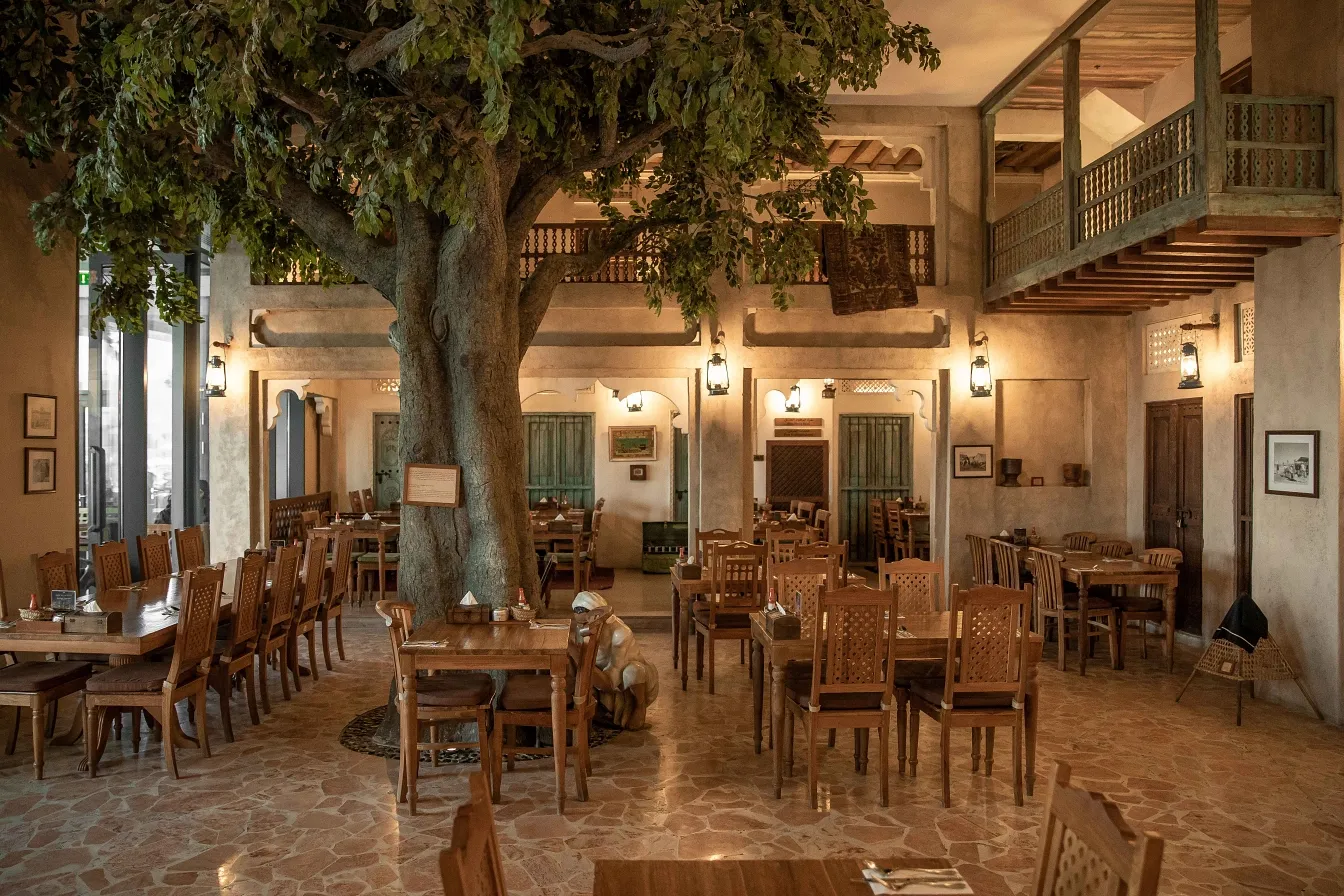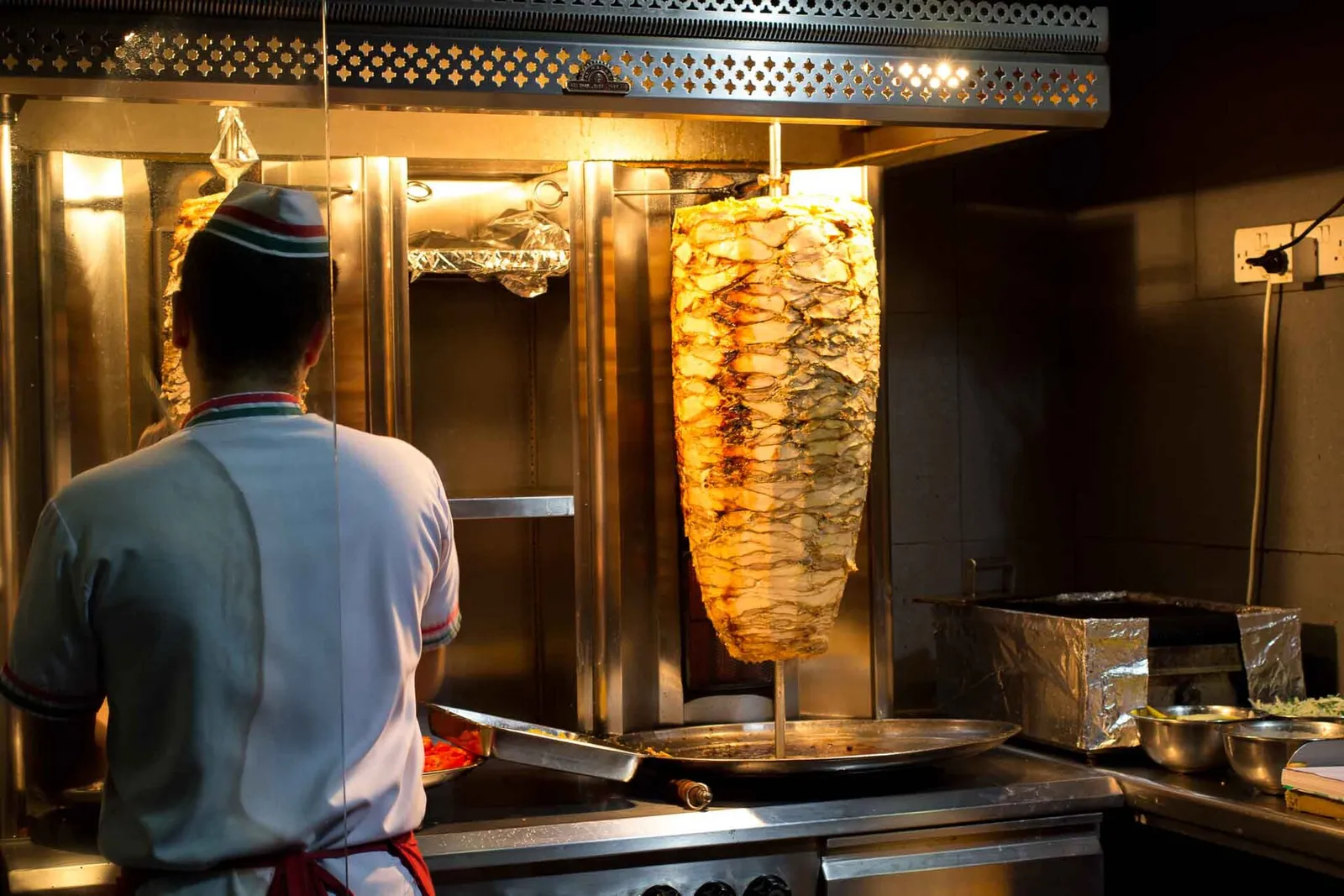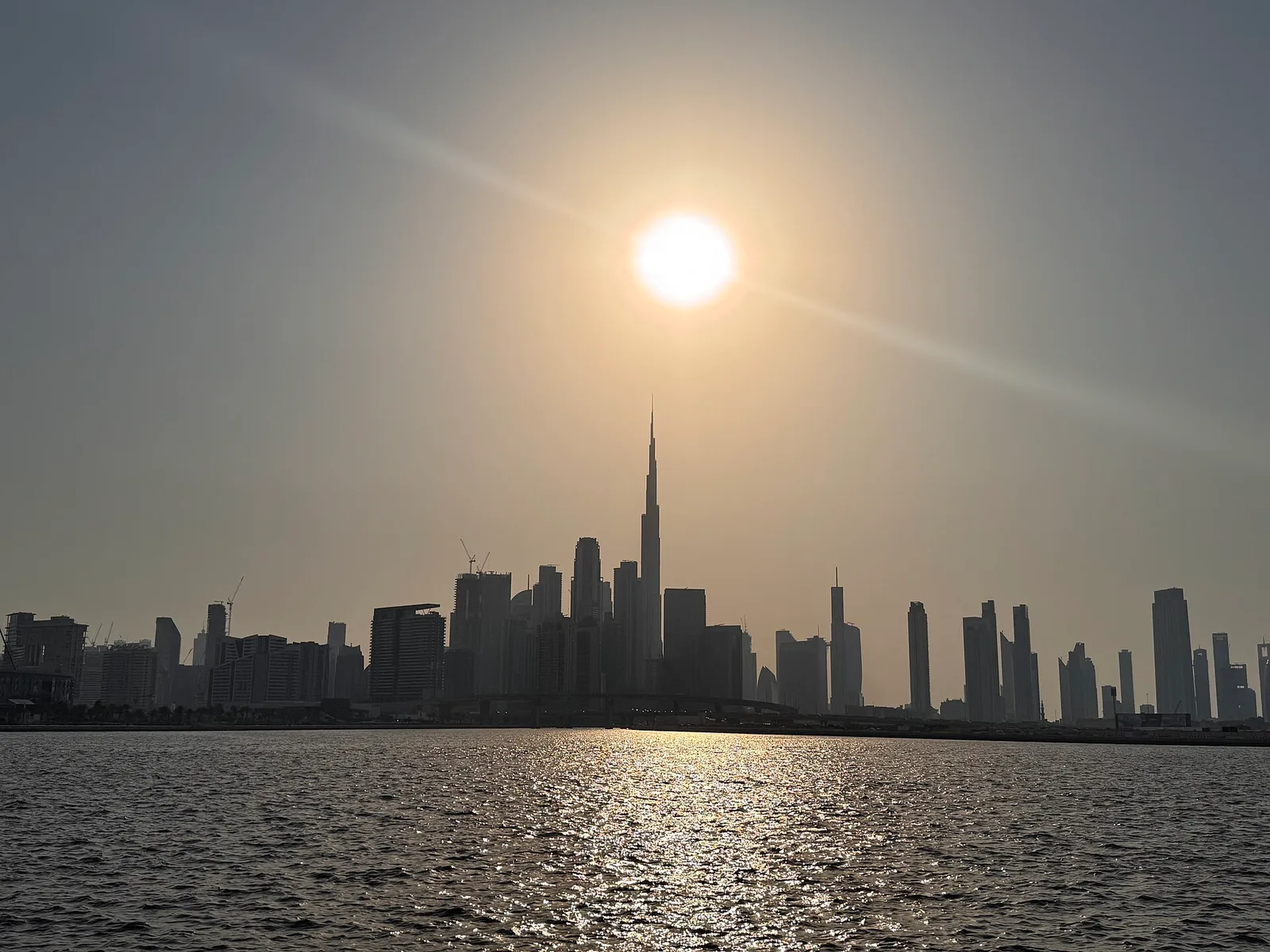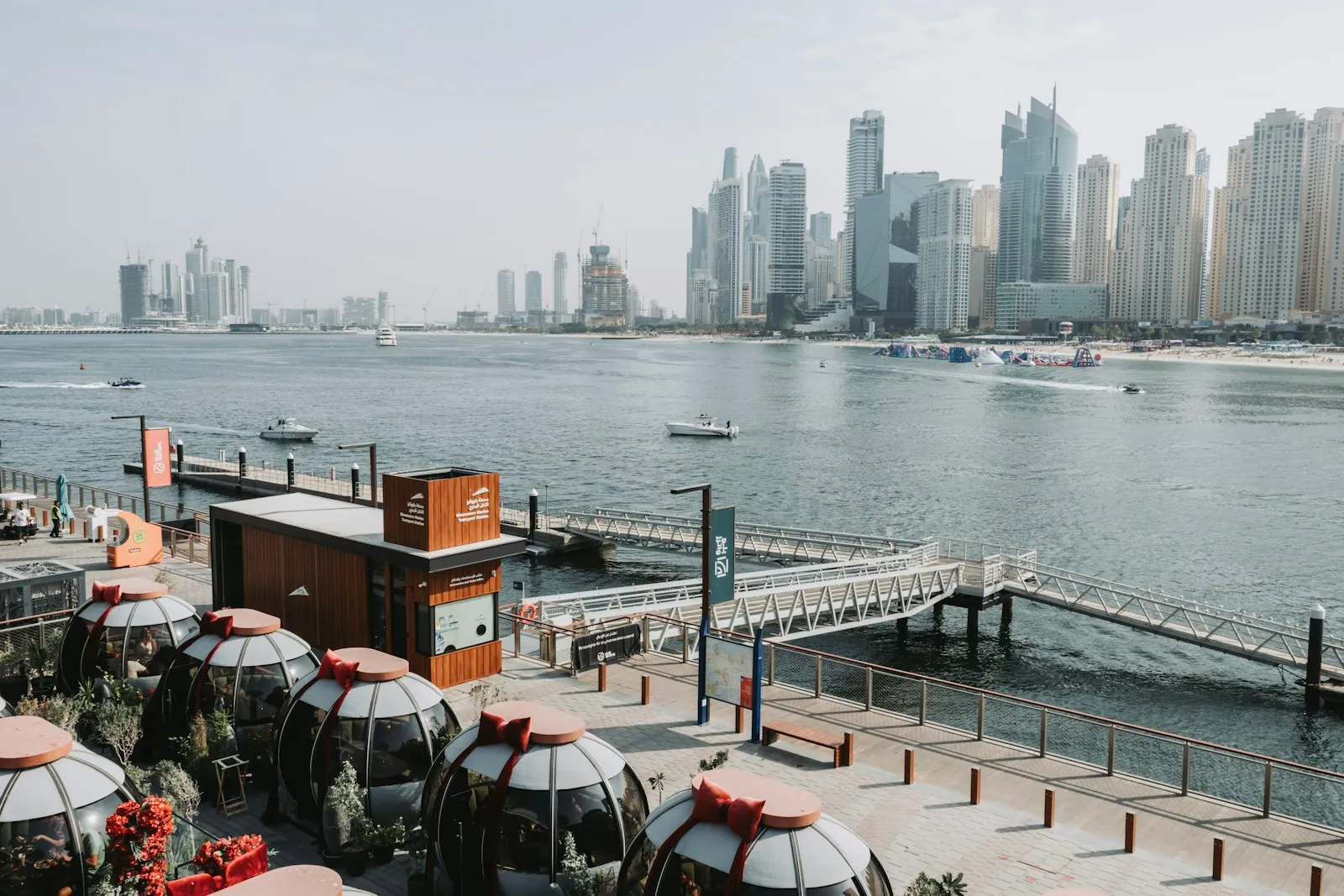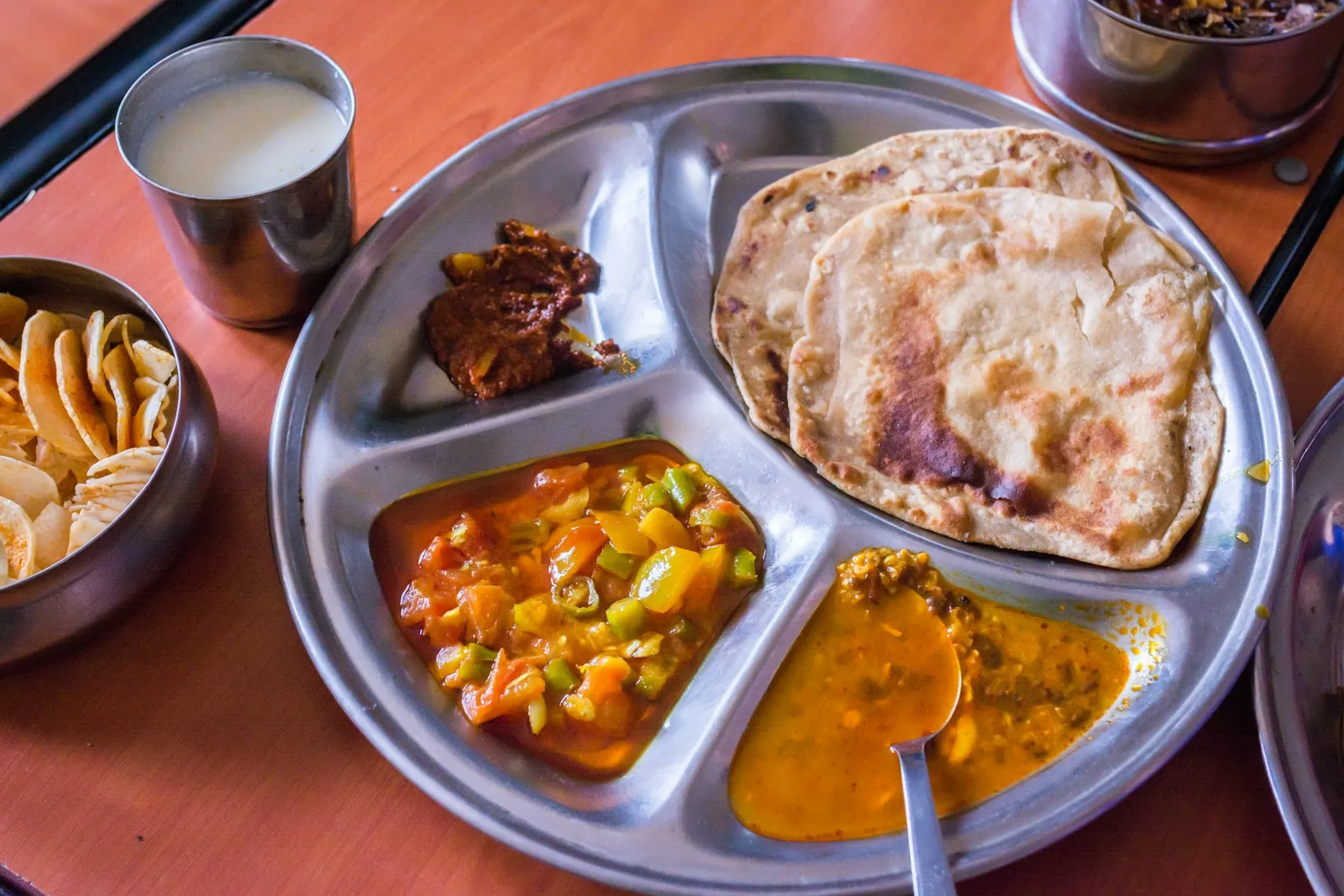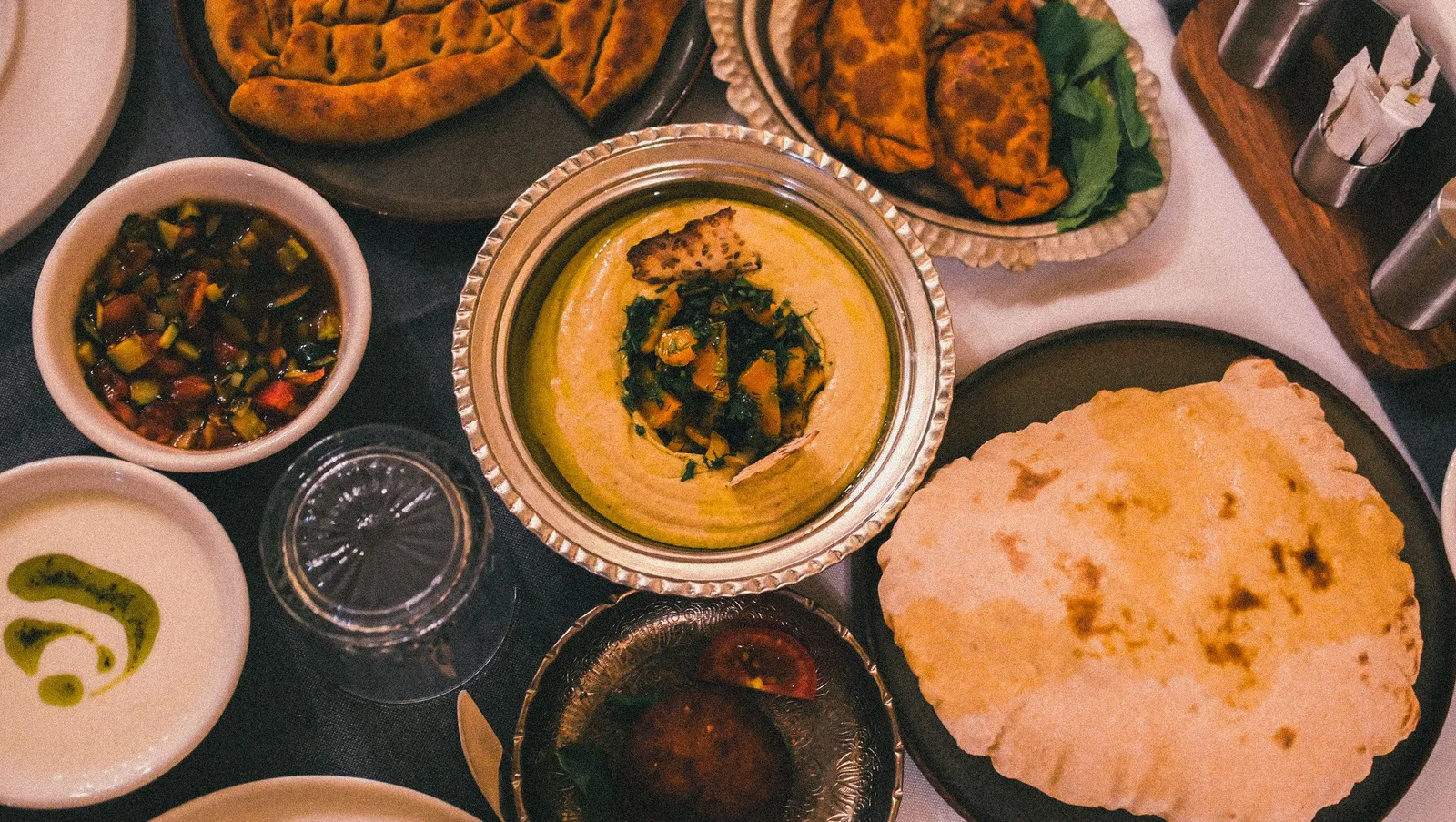
Dubai has no single cuisine of its own to sell you, and that turns out to be its greatest advantage. Roughly nine in ten people here came from somewhere else, and they brought their food with them, cooked for each other rather than for tourists. The result is a city where you can eat a five dirham paratha standing up in Bur Dubai at noon and a tasting menu two hundred metres above the ground the same evening, and where the first of those is frequently the better meal. The trick is knowing which layer you are shopping in.
The four layers of the food scene
Community canteens. The cooking of the city’s largest communities, South Asian above all, served fast and cheap in the older districts. This is where the value is.
Everyday Middle Eastern. Levantine, Iranian and Egyptian kitchens, grills, mezze and bakeries, spread across the whole city at reasonable prices.
Mid range international. The malls and the newer neighbourhoods, competent and comfortable, where most visitors end up by default.
Fine dining and views. Imported chef names, tasting menus and rooms with a skyline, priced accordingly.
Most visitors spend their whole trip in layer three without realising the other three exist. Our Dubai food guide covers what to eat; this one is about where and how.
Where to eat, by area
Deira and Bur Dubai are the old city and the best value eating in Dubai, full stop. Small rooms, short menus, food cooked by people for their own community. Our old Dubai and the creek souks guide covers the area to walk it properly.
Karama and Satwa are the middle ground: still cheap, slightly more comfortable, with a dense concentration of South Asian and Filipino kitchens.
Jumeirah and the beach districts are where the cafe culture lives, good for a long breakfast and generally priced for residents rather than tourists.
Downtown, DIFC and the Marina are the expensive layer, where the views and the imported names are.
Restaurants with a view, and what to know first
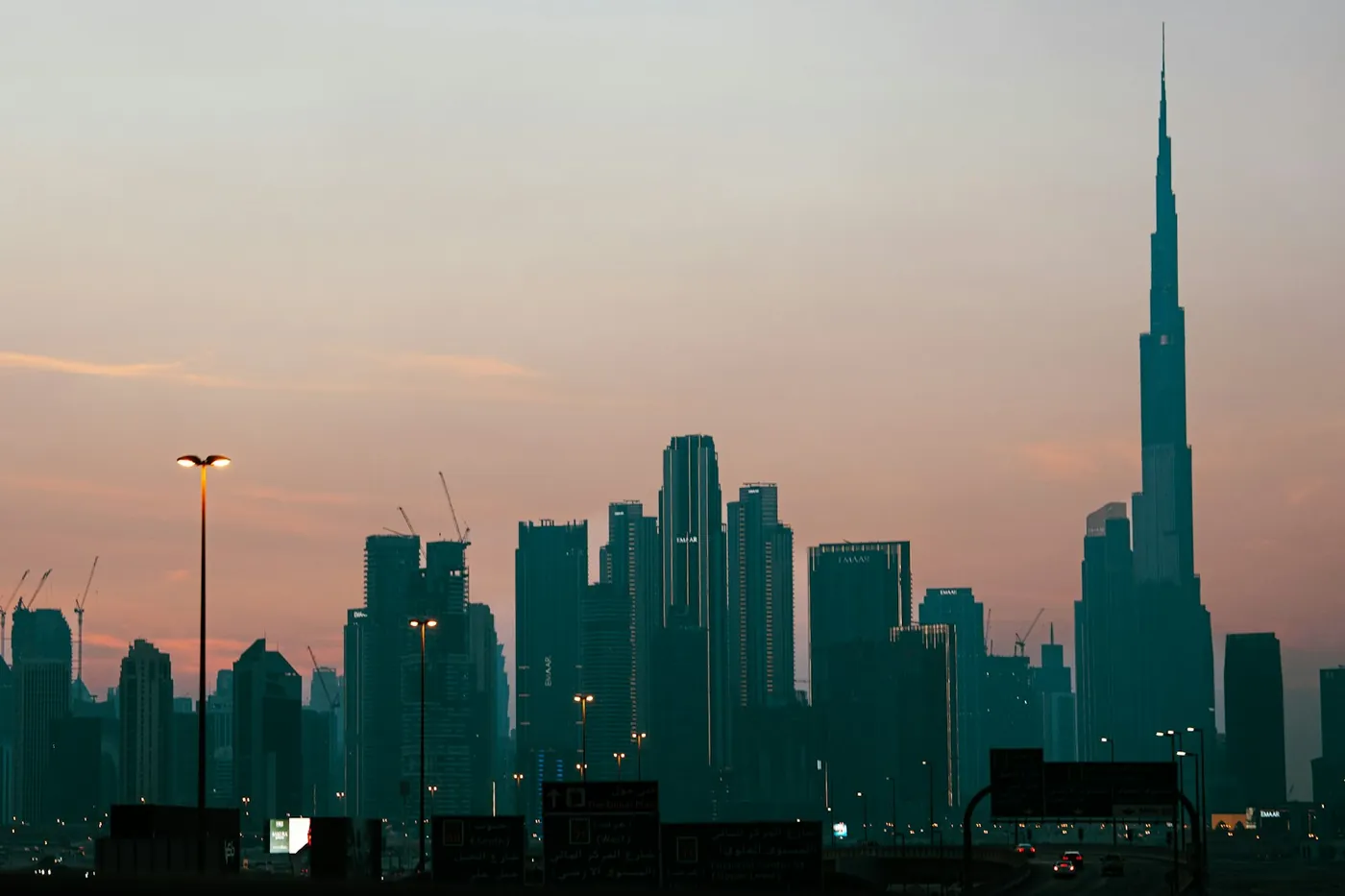
The view restaurants are genuinely spectacular and they are also where visitors most often feel they overpaid. Three things worth knowing before you book one: the view is the product, so ask for the table you are paying for rather than accepting whatever is free; minimum spends are common at the rooftop bars, particularly at sunset on a weekend; and book well ahead between roughly November and March, when the entire city wants to sit outside.
Lunch is the back door
Here is the single most useful habit in this city. A great many of the expensive rooms run a set lunch, in the same dining room, from the same kitchen, at a fraction of the evening bill. Business lunch offers are a normal part of the working week here rather than a promotion.
If there is one restaurant you want to try and the dinner price is uncomfortable, look at whether it does lunch before you write it off.
Eating like a resident, cheaply
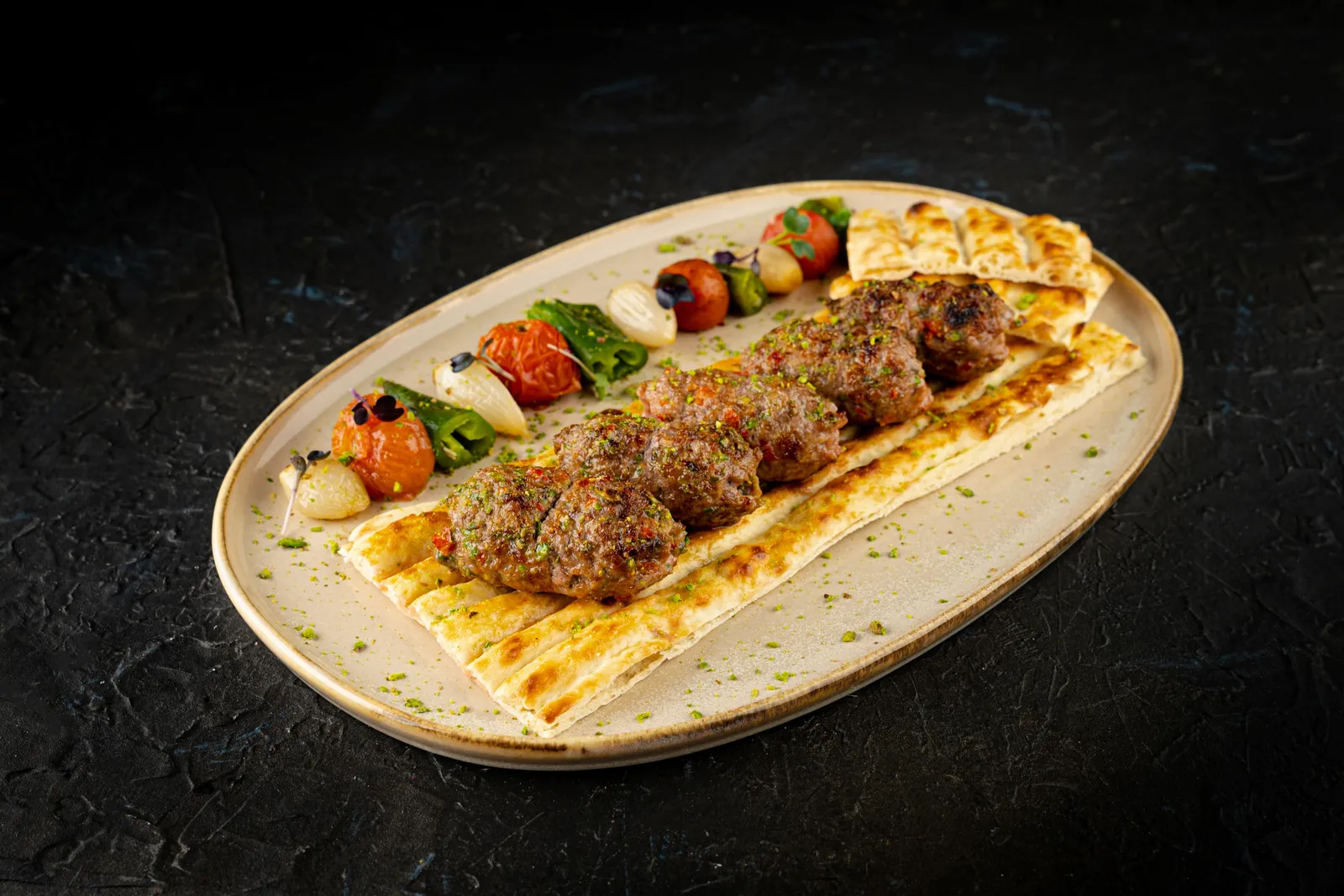
The cheap half of Dubai is not a compromise, it is the interesting half. Look for short menus, rooms that are full of people who are not tourists, and cooking done in front of you. Bakeries turning out fresh bread, grill houses, dosa counters, shawarma windows, and the food courts inside the older shopping streets rather than the mall ones.
Our cheap eats and street food guide is the practical companion to this, with what to order where.
Booking, dress, alcohol and the bill
Booking. Anything with a name or a view, on a weekend evening, needs a reservation and often a card guarantee. Casual places take you as you come.
Dress. Smart casual covers almost everything. Beachwear stays at the beach, and the higher end rooms and hotel venues do enforce a dress code.
Alcohol. Licensed venues only, which in practice means hotel restaurants and bars. Do not drink and drive under any circumstances; take a taxi.
The bill. This is the surprise that catches people. Service charges and municipality fees are commonly added on top of the menu price, with VAT on top of that, and the total lands above what you calculated. It is printed on the menu, usually at the bottom in small type, and it is worth reading before you order.
Summer changes the rhythm rather than the options. From roughly June the city moves indoors, terraces close or run only late, and the malls and hotel dining rooms carry the season. It is the right time to eat your way through the air conditioned half of the list and save the rooftops for a cooler month.