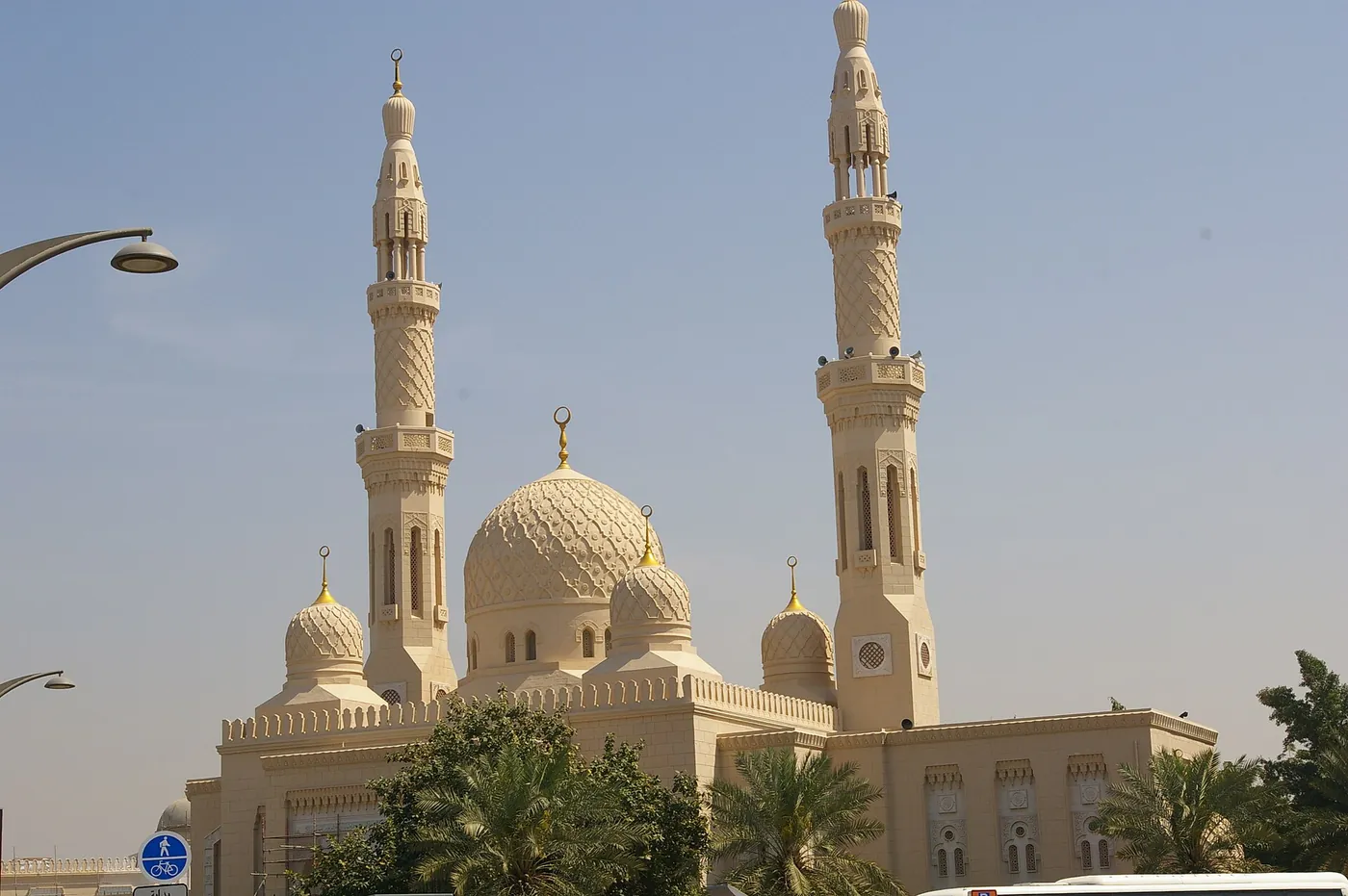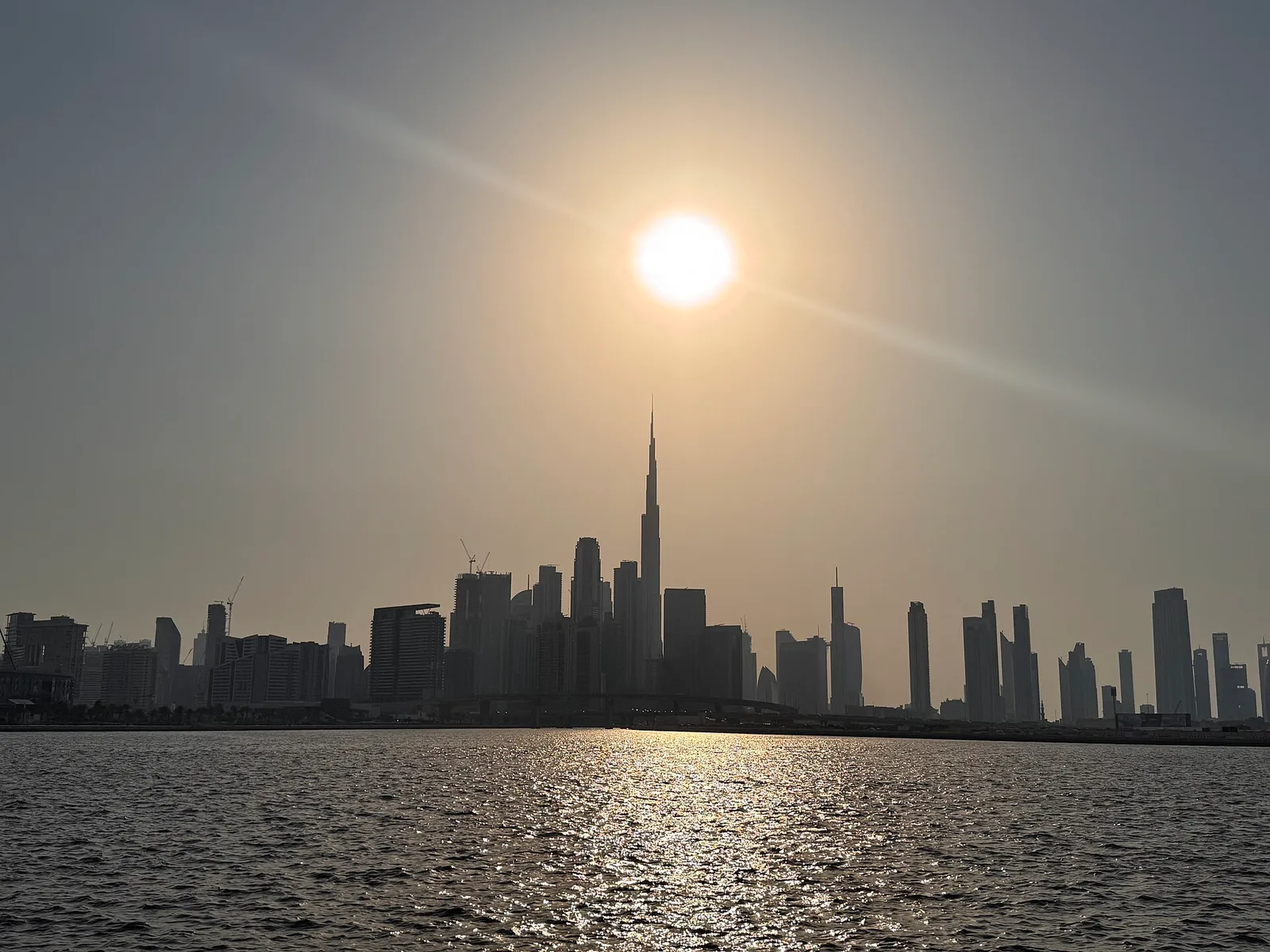
Everything Dubai is famous for was built in the last fifty years, except this. On both banks of a saltwater creek that cuts several kilometres inland, there is a city of low buildings, covered lanes, warehouses, wooden boats and small restaurants that has been trading with Iran, India and East Africa for a very long time. It is a twenty minute metro ride from the towers and it is a completely different place. If Dubai has left you cold, come here before you write it off.
The two banks
Deira, on the northern side, with the gold souk, the spice souk, the perfume souk and a dense commercial grid behind them.
Bur Dubai, on the southern side, with the textile souk, the Al Fahidi historical neighbourhood, the old fort and museum, and the creekside walk.
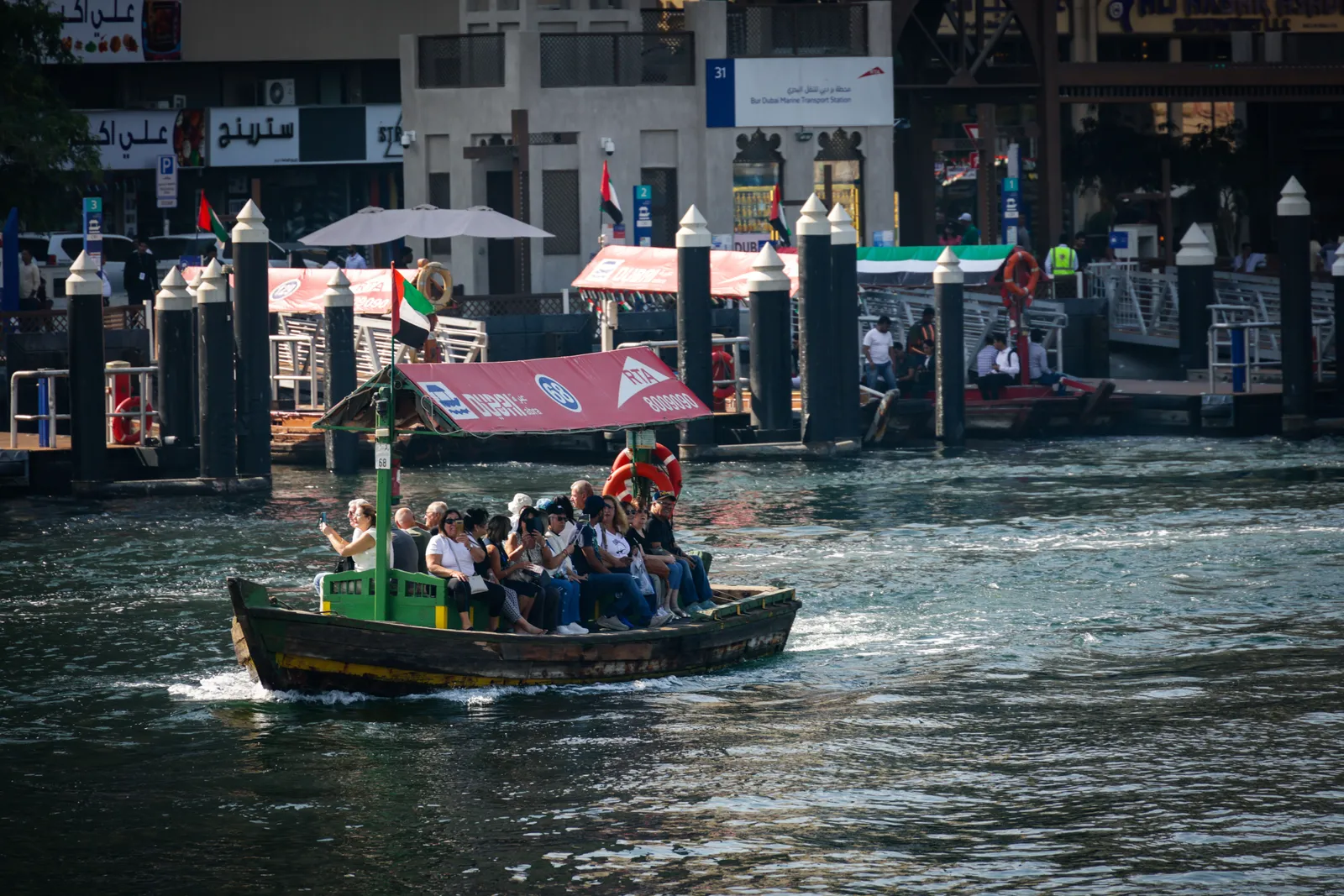
Abras crossing constantly between them, a couple of minutes and a few coins.
Dhow wharves along the Deira bank, where working cargo boats are loaded by hand for ports across the Gulf, which is not a tourist attraction and is fascinating.
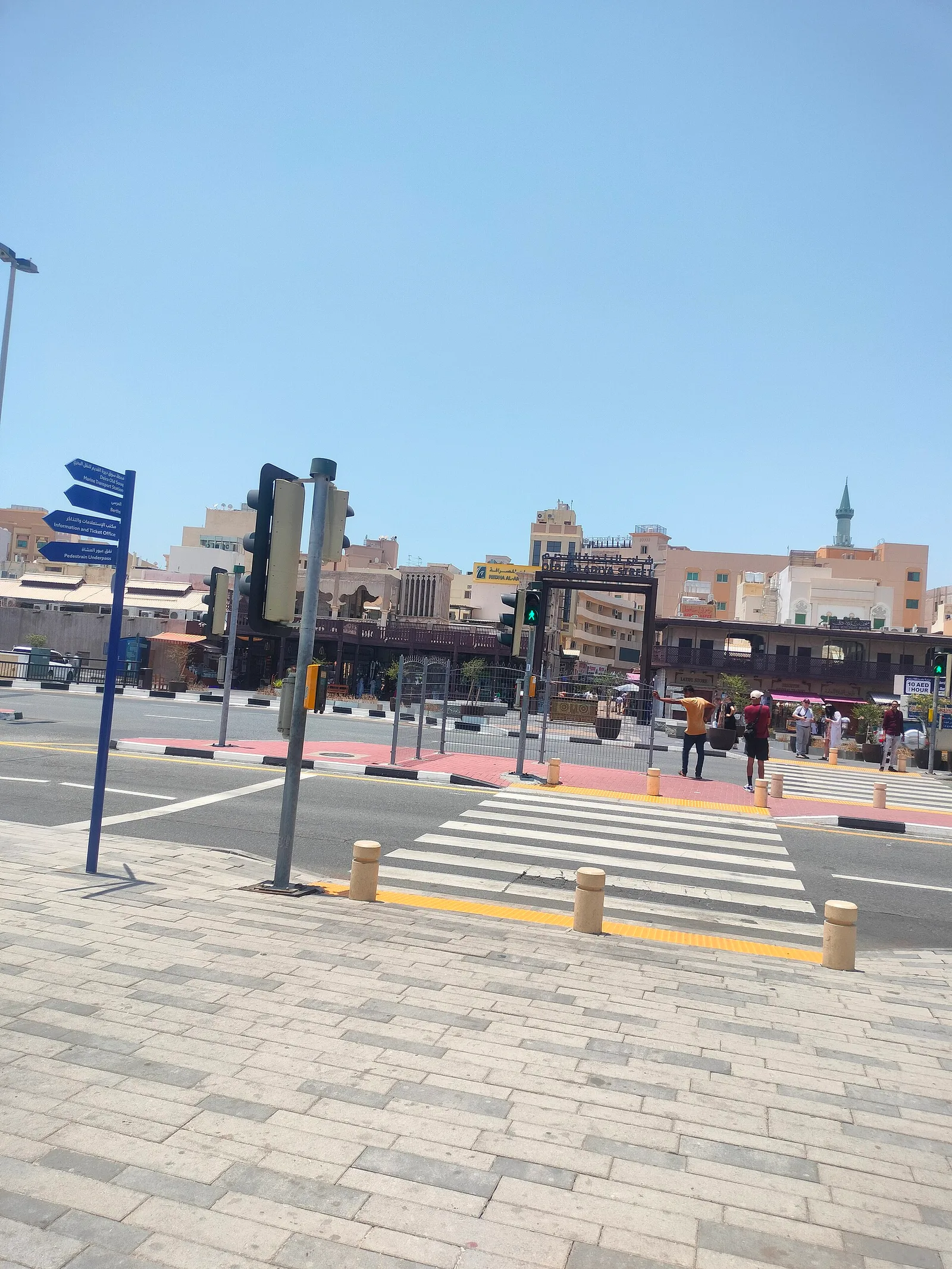
The Green Line of the metro serves both sides.
The souks
Gold, in covered lanes in Deira, several hundred shops. Gold is sold by weight at a published daily rate; the making charge on top is what you negotiate.
Spice, immediately beside it, with saffron, dried limes, frankincense and tea, sold in open sacks.
Perfume, with oud and attar oils blended in front of you.
Textiles, across the water in Bur Dubai, with fabric by the metre and tailors who will make something in a couple of days.
Haggle in the souks, politely and with humour, and do not haggle in malls.
The touts offering counterfeit watches and bags are persistent, and a firm no ends it.
Al Fahidi and the museum
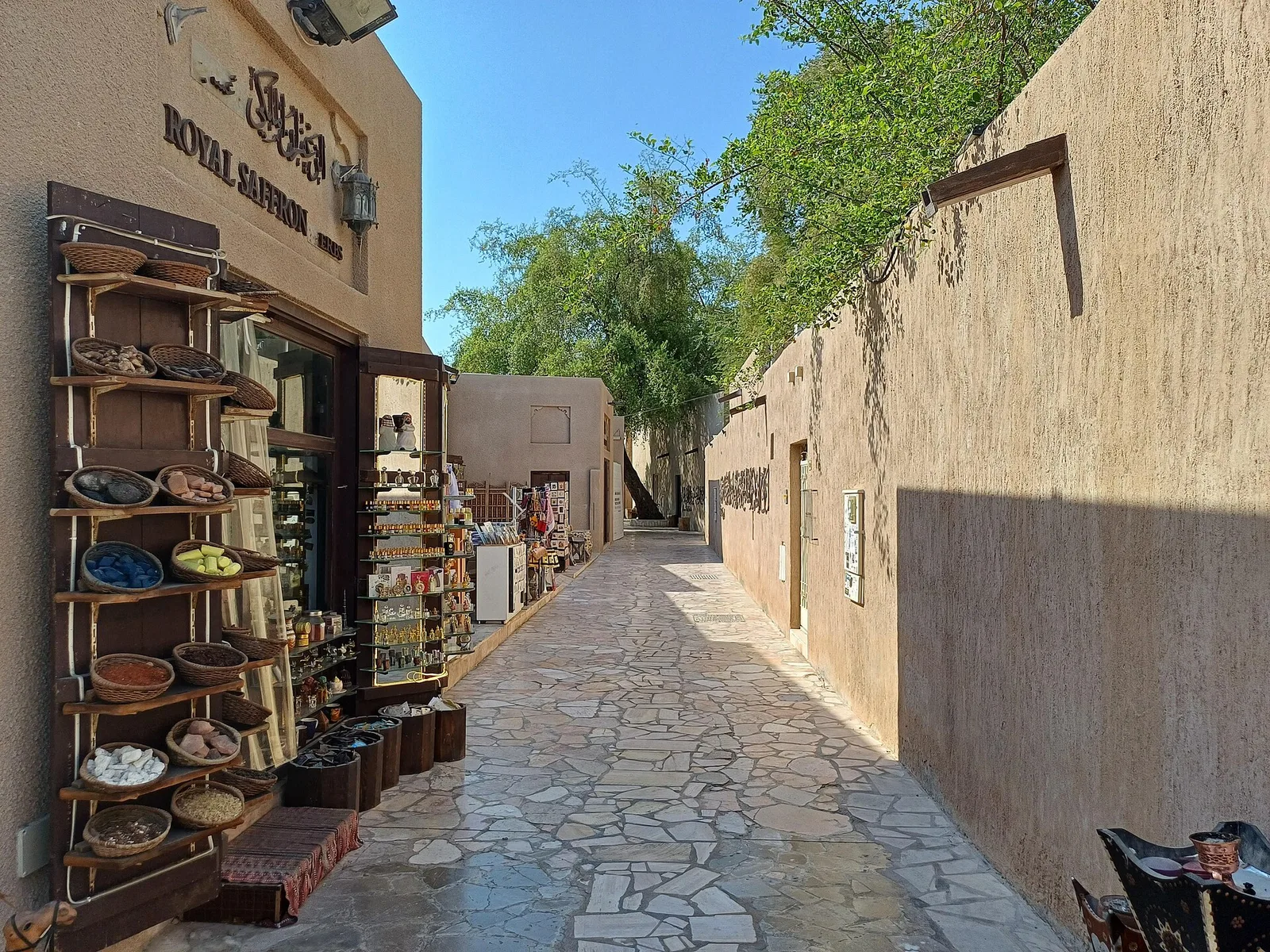
Al Fahidi historical neighbourhood, a restored quarter of coral stone and gypsum houses with wind towers, narrow shaded lanes and courtyards.
Small museums and galleries inside them, including coffee, calligraphy and photography.
A cultural centre that runs sessions explaining Emirati customs, food and dress to visitors, with questions genuinely encouraged.
The old fort, the oldest building in the city, holding the Dubai Museum, which has had periods of closure for restoration so check before making it the centre of a plan.
Coffee houses in the courtyards, which are the best place in Dubai to sit down and do nothing.
Practical notes
Souk hours include a long midday closure, so mornings and late afternoons are the working hours.
Cash for abras and small purchases, cards almost everywhere else.
Dress modestly here more than anywhere else in the city, meaning covered shoulders and knees, and it will be noticed and appreciated.
Fridays shift the rhythm around prayers, particularly at midday.
Shade is plentiful in the covered lanes and absent on the creekside walk.
The metro serves both banks, and a taxi between them is a long way round compared with the boat.
Where this fits in a Dubai trip
Old Dubai is a morning, and it is the half day that changes how people feel about the whole city.
For the districts, what each is like and which one to actually sleep in, our guide to Dubai’s neighbourhoods covers the map.
For eating around here, which is where the city is cheapest and most interesting, our guide to Dubai street food and cheap eats covers the ground.
And for the metro and the abras that connect all of it, our guide to Dubai’s metro and transport covers how to move.
The short version
Come in the morning, before the midday closure and before the heat. Start on the Deira side with the gold and spice souks, cross by abra with a few coins in your pocket, and walk into Al Fahidi for the wind towers and a coffee in a courtyard. Negotiate the making charge on gold rather than the metal price, haggle politely in the souks and not at all in the malls. Dress a little more modestly here than elsewhere in the city. And take the boat back rather than a taxi.
The two souk districts sit on opposite banks, and the boat between them is an attraction in its own right rather than just a way across. Our guide to the Creek abras covers where the stations are, what the shared crossing costs against a private charter, and why it is worth doing twice.