Dubai has a reputation as an expensive city to eat in, and it is entirely accurate if you eat where the marketing points you. Step two metro stops away from the towers and the same city feeds several million residents on shawarma, biryani, dosa, grilled chicken and fresh juice for a few dirhams a meal. This is not a hidden Dubai or an authentic Dubai. It is simply the Dubai where most people who live here eat, and it is open to everybody.
What to eat
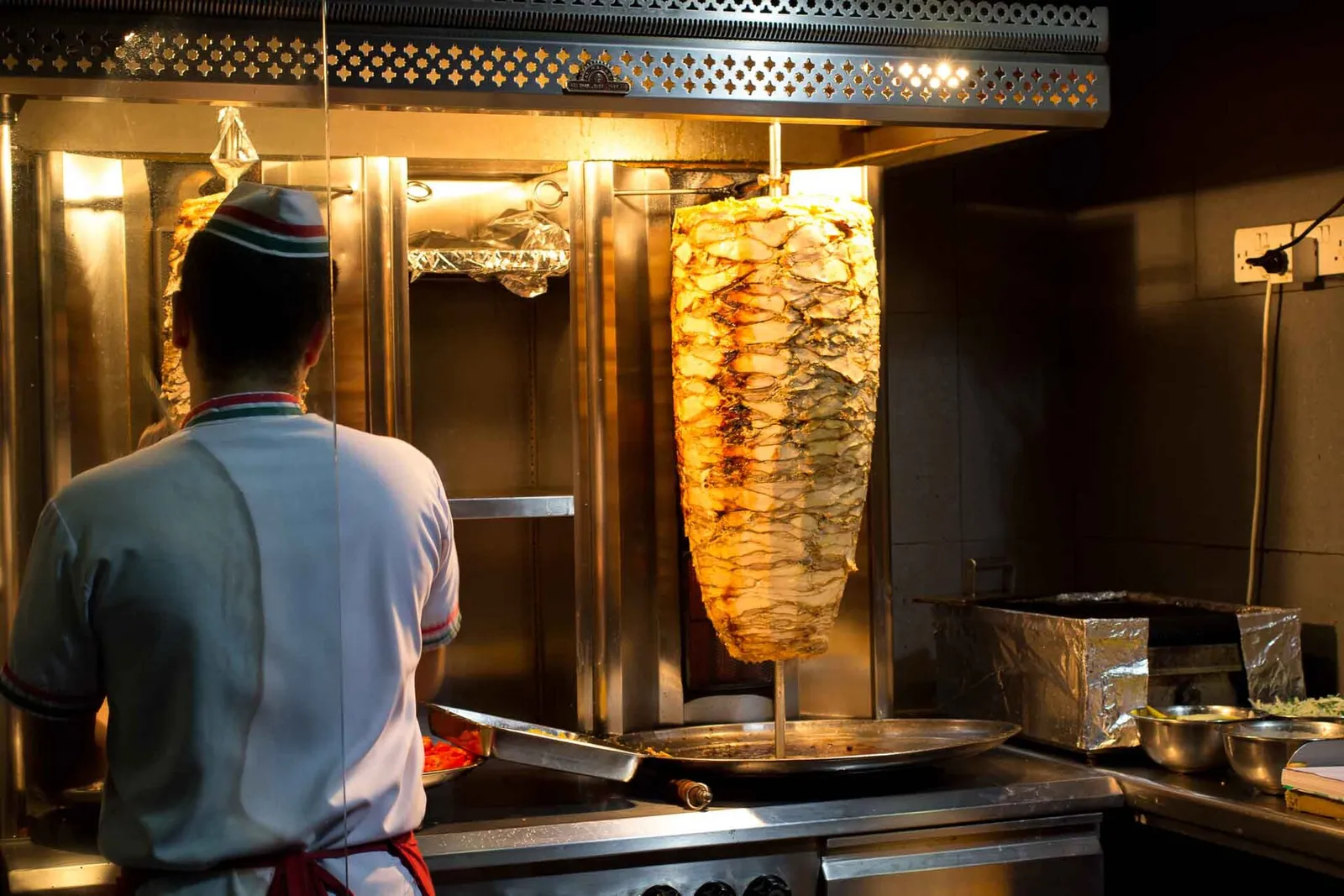
Shawarma, from a counter with a vertical spit, wrapped thin with pickles, garlic sauce and chips inside. The default meal of the city.
Biryani and karahi, from Pakistani and Indian restaurants, in portions built for a working appetite.
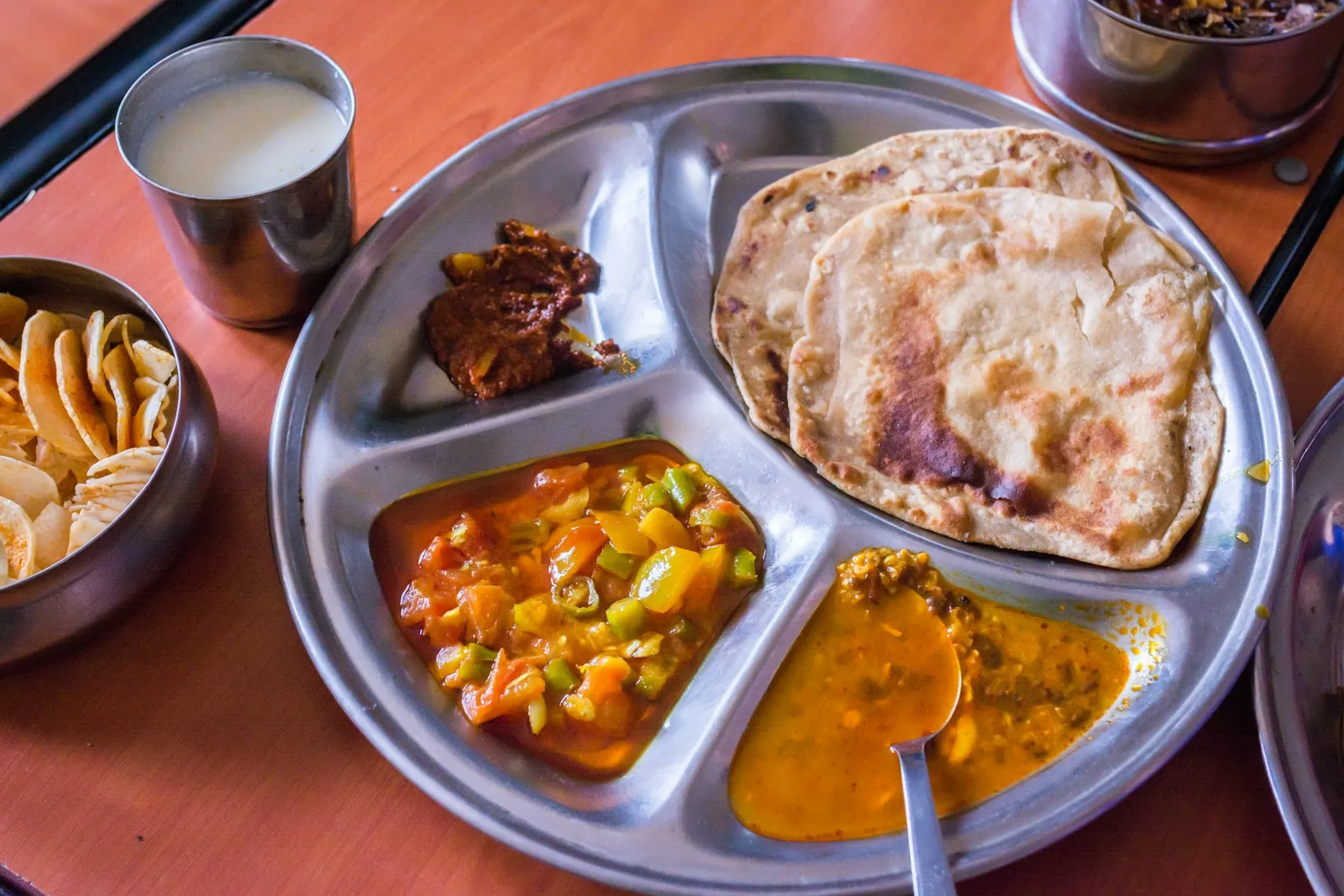
Dosa and thali, from the South Indian places, especially at breakfast, which is a genuinely great Dubai meal.
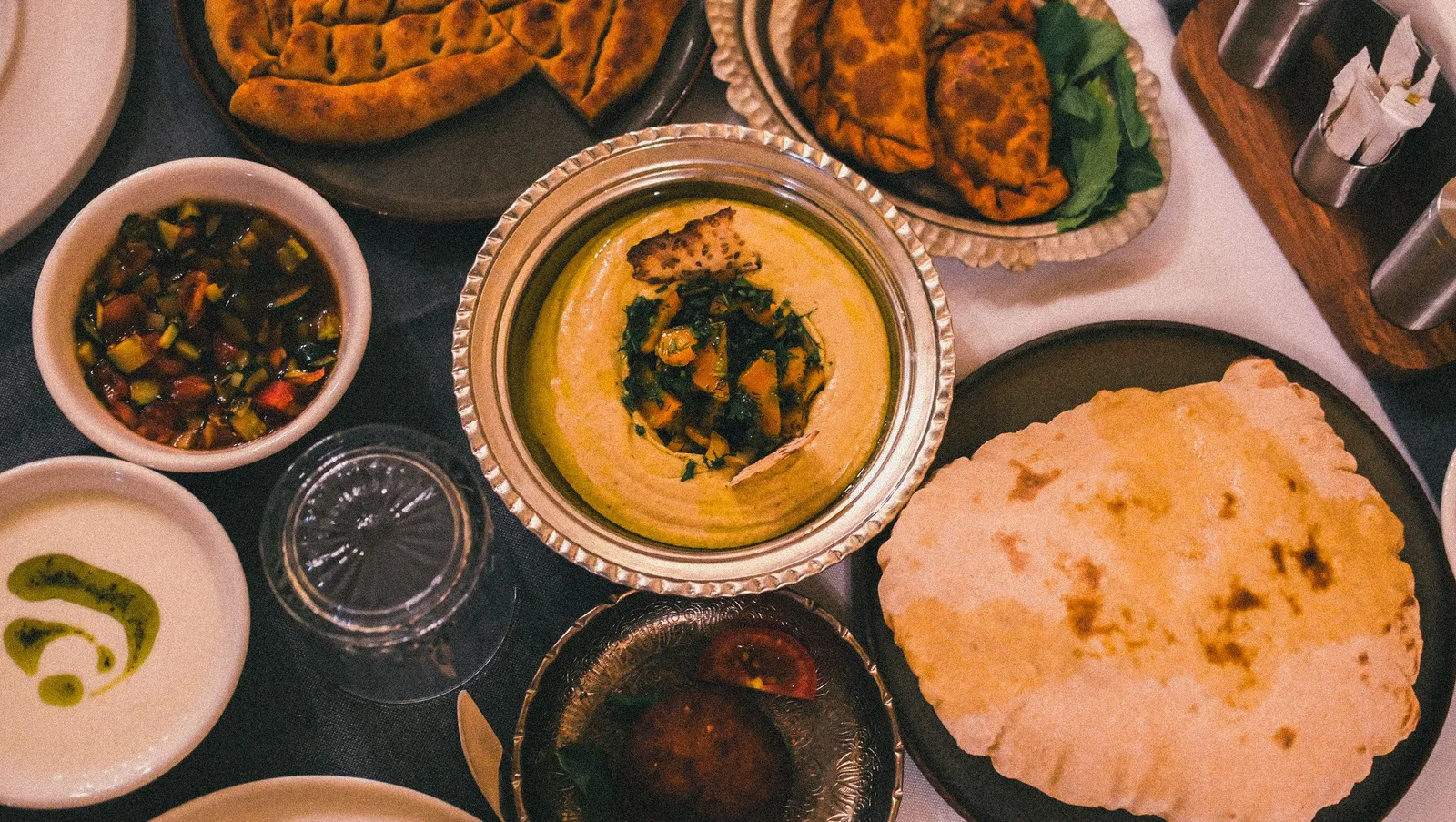
Iranian grills, with flatbread baked in front of you and rice with saffron.
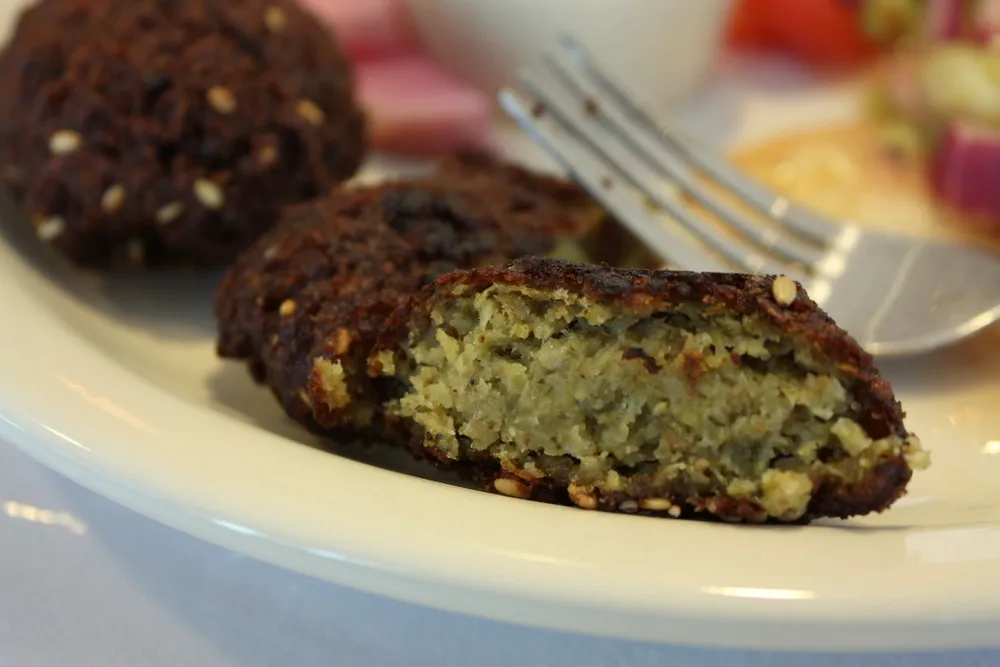
Falafel and manakish, from Levantine bakeries.
Fresh juice, blended to order, which costs almost nothing and is the correct answer to forty degrees.
Karak chai, strong sweet spiced tea, sold at hatches and drunk constantly.
Where to eat it
Deira, behind the souks, which is the densest concentration in the city.
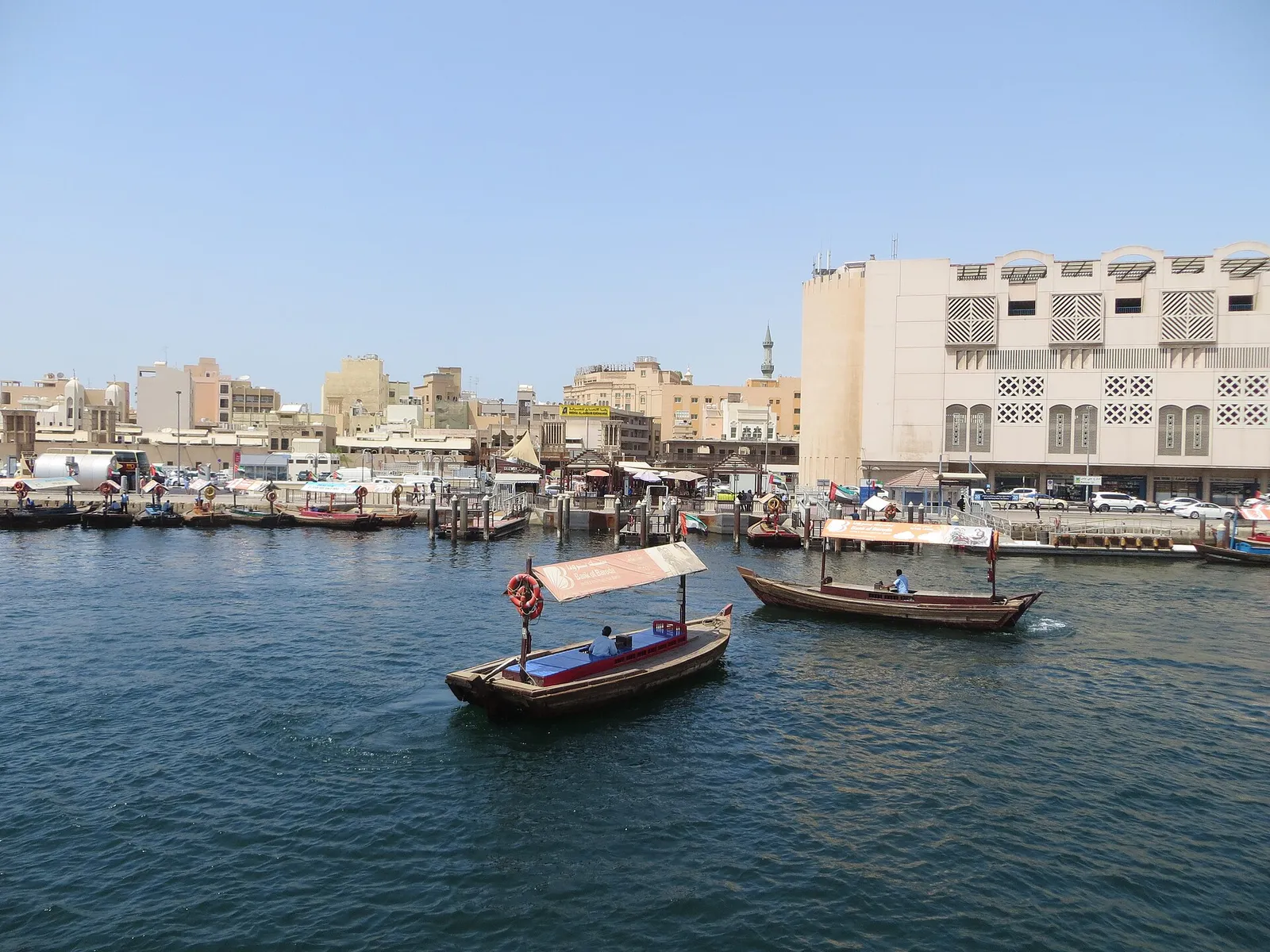
Bur Dubai, across the Creek, with a strong South Indian presence.
Karama, a residential district that is essentially a food destination, with rows of small restaurants.
Satwa, for shawarma and Iranian bakeries.
Al Rigga, busy in the evening and lined with cafes.
Not in the malls, where the same cuisines cost several times as much and are worse.
Eating cheaply beyond the cafeterias
Hotel happy hours and set lunches, which bring otherwise expensive kitchens within reach at fixed times.
Business lunch menus in the financial district, aimed at office workers and priced accordingly.
Supermarket food halls, which are large, good and normal to eat in.
Food trucks, which cluster in some districts in the cooler months.
Global Village and the seasonal markets, where the food stalls are cheap and the entry is the cost.
Bakeries, which open very early and are the cheapest breakfast in the city.
Practical notes
Hygiene ratings are displayed by the municipality and are worth a glance.
Cash is handy at the smallest counters, and cards work almost everywhere else.
Alcohol is not served in this category of restaurant at all, which is part of why the bills are small.
Vegetarian eating is exceptionally easy here, since much of the South Indian food is vegetarian by default.
Ramadan changes daytime service considerably, with many places closed until sunset.
Delivery is enormous in Dubai and every one of these places is on an app, which is useful when it is too hot to walk.
Where this fits in a Dubai trip
Cheap eating is not a compromise here, it is where the interesting food is.
For the whole picture of eating in Dubai, from the cafeterias up to the tasting menus, our guide to Dubai food covers the range.
For the districts these restaurants sit in and what else to do while you are there, our guide to Old Dubai, the Creek and the souks covers the walk.
And for the exact opposite end of the spectrum, which is a Dubai institution in its own right, our guide to Friday brunch covers what you are paying for.
The short version
Eat in Deira, Bur Dubai, Karama or Satwa rather than in the malls, and go at the hours the city actually eats. Order shawarma from a counter, biryani from a Pakistani restaurant and dosa from a South Indian one at breakfast, and drink fresh juice and karak. Look for a busy room, a hygiene rating and a menu without photographs. Use the set lunch menus if you want a smarter kitchen at a fraction of the evening price. And take a food walk early in the trip, because it pays for itself in what you order afterwards.