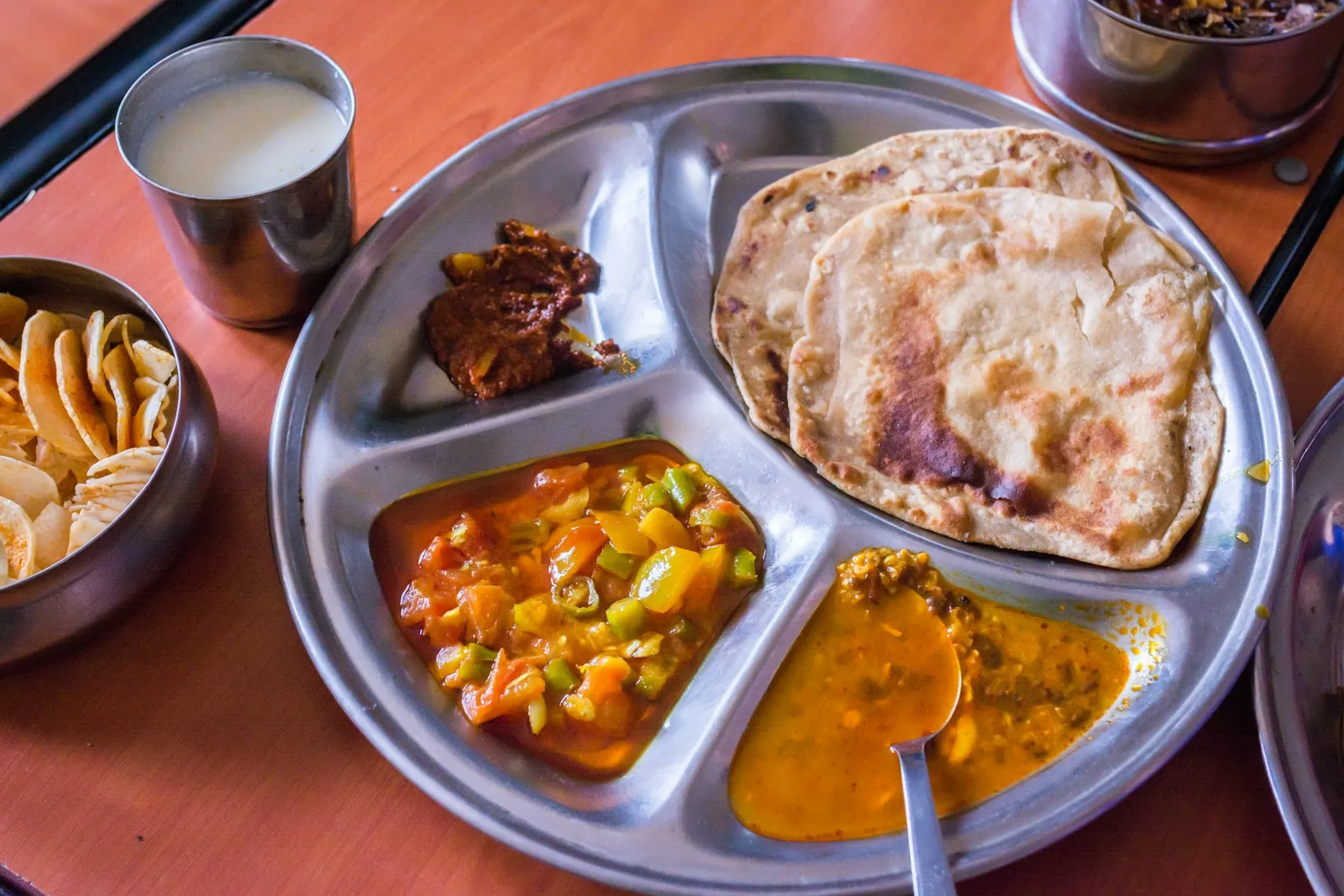
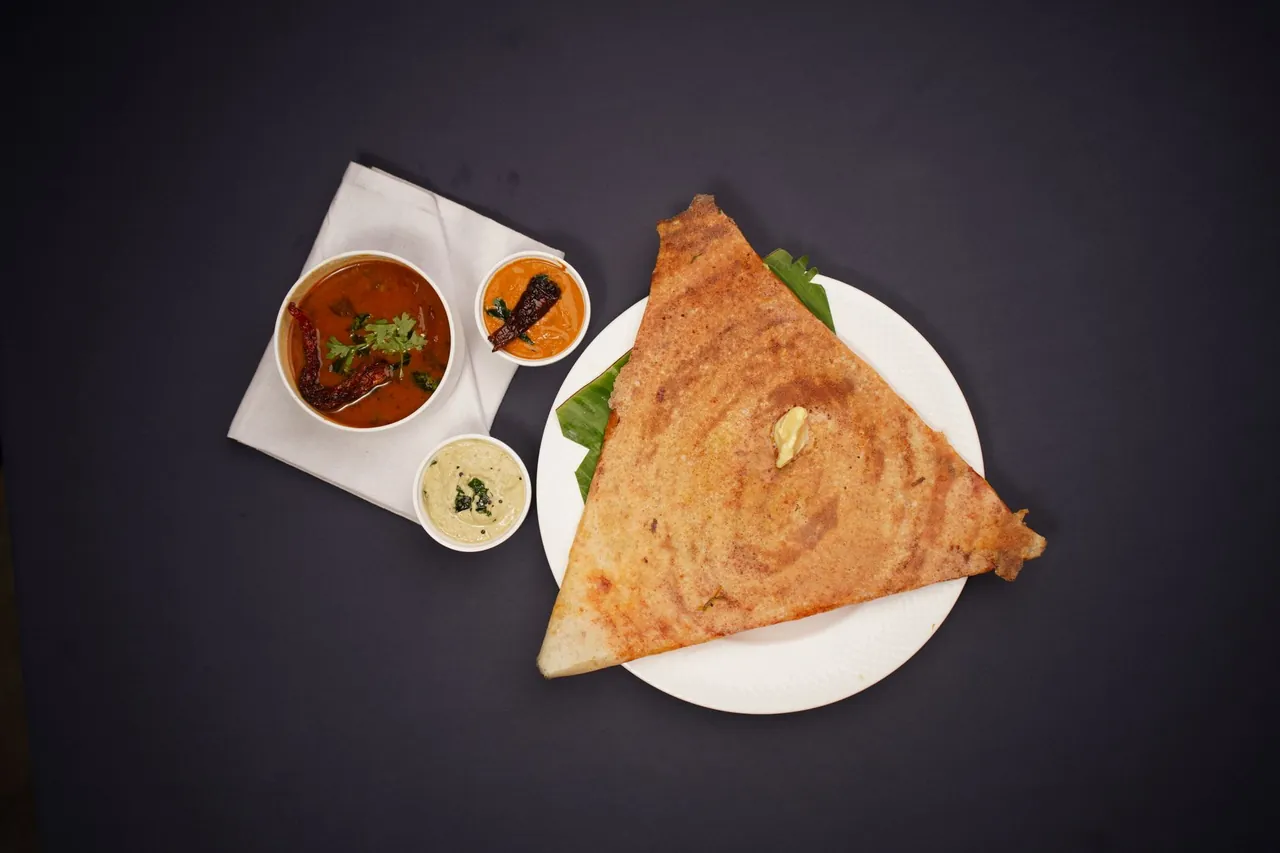
The first time I tried to eat vegetarian in Dubai I overthought it completely. I stood in a food court at Dubai Mall reading every sign, convinced it would be a struggle, and then a Keralan man behind a counter waved me over and handed me a masala dosa the size of my forearm for about 18 dirhams. Crisp, sour, stuffed with spiced potato, no meat anywhere near it. That was the moment I understood something about eating vegetarian and vegan in Dubai: the city has been quietly feeding meat-free eaters for decades, long before “plant based” became a menu buzzword.
Dubai is one of the easiest cities in the Gulf for this, mostly because of who lives here. A huge South Asian population means genuinely good vegetarian food is everywhere and cheap, and the Levantine tradition brings a mezze culture that is half vegetables by default. On top of that sits a newer layer of dedicated vegan cafes aimed at a health-conscious crowd. You can eat brilliantly without meat here. You just need to know where the easy wins are and which questions to ask.
The naturally vegetarian food you already want to eat
Before you go hunting for a specialist vegan restaurant, remember that two of Dubai’s biggest food cultures are packed with dishes that happen to contain no meat at all.
Indian and South Asian
This is the strongest card in the city. Look for South Indian places serving dosa, idli, uttapam and vada, which are rice and lentil based and usually vegetarian by tradition. Areas like Karama and Bur Dubai are full of them, and a proper thali with rice, dhal, a few vegetable curries and bread will cost you somewhere around 20 to 40 dirhams. Gujarati and Rajasthani restaurants are almost entirely vegetarian. North Indian menus give you paneer dishes, chana masala, aloo gobi and dals in abundance.
The one thing to check is dairy fat. Many Indian dishes are cooked in ghee, which is clarified butter, so a dish can be vegetarian but not vegan. Paneer is cheese, and a naan is often brushed with butter or made with milk. If you are vegan, ask directly, and staff at these places are used to the question.
Levantine and Middle Eastern
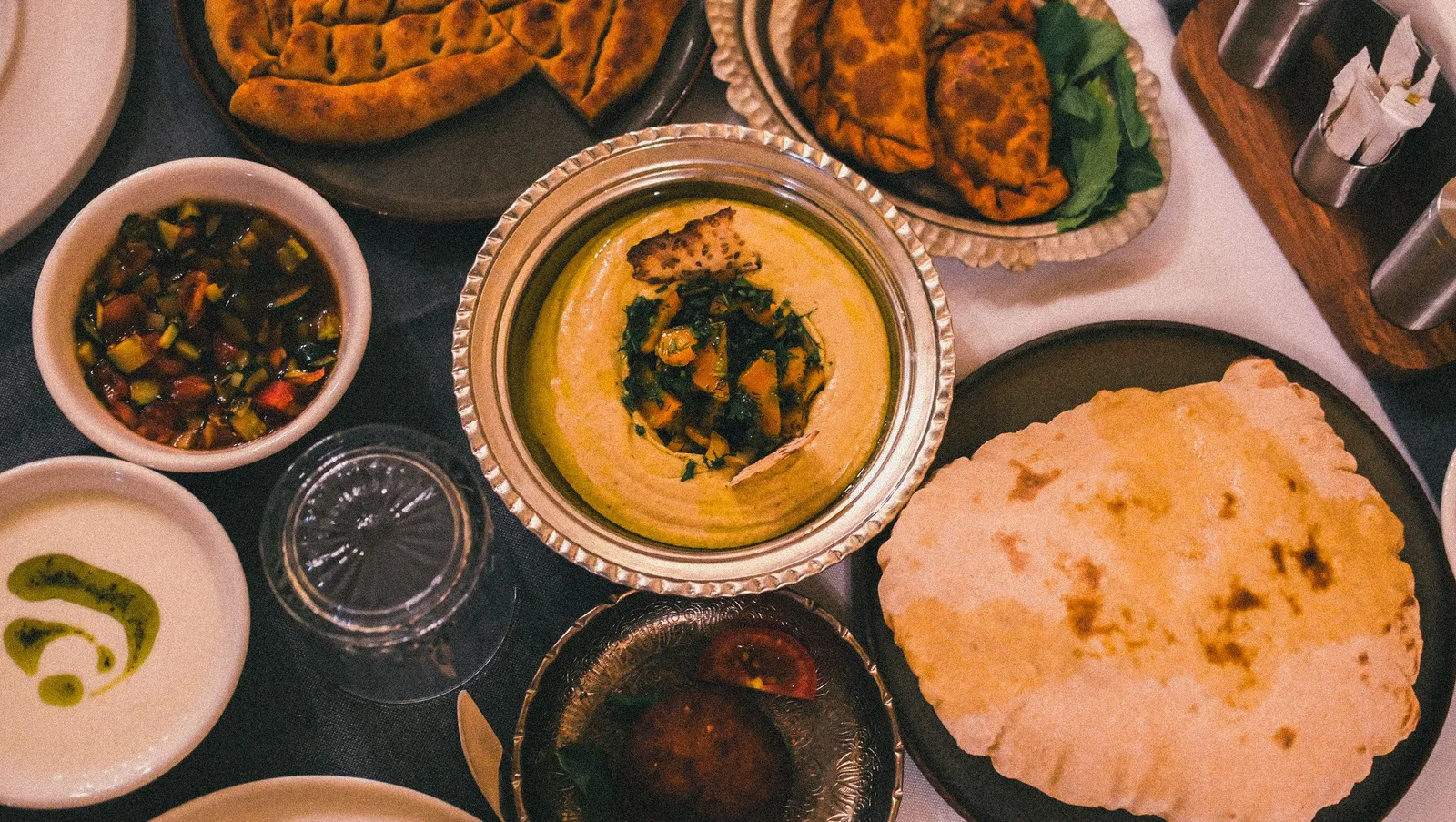
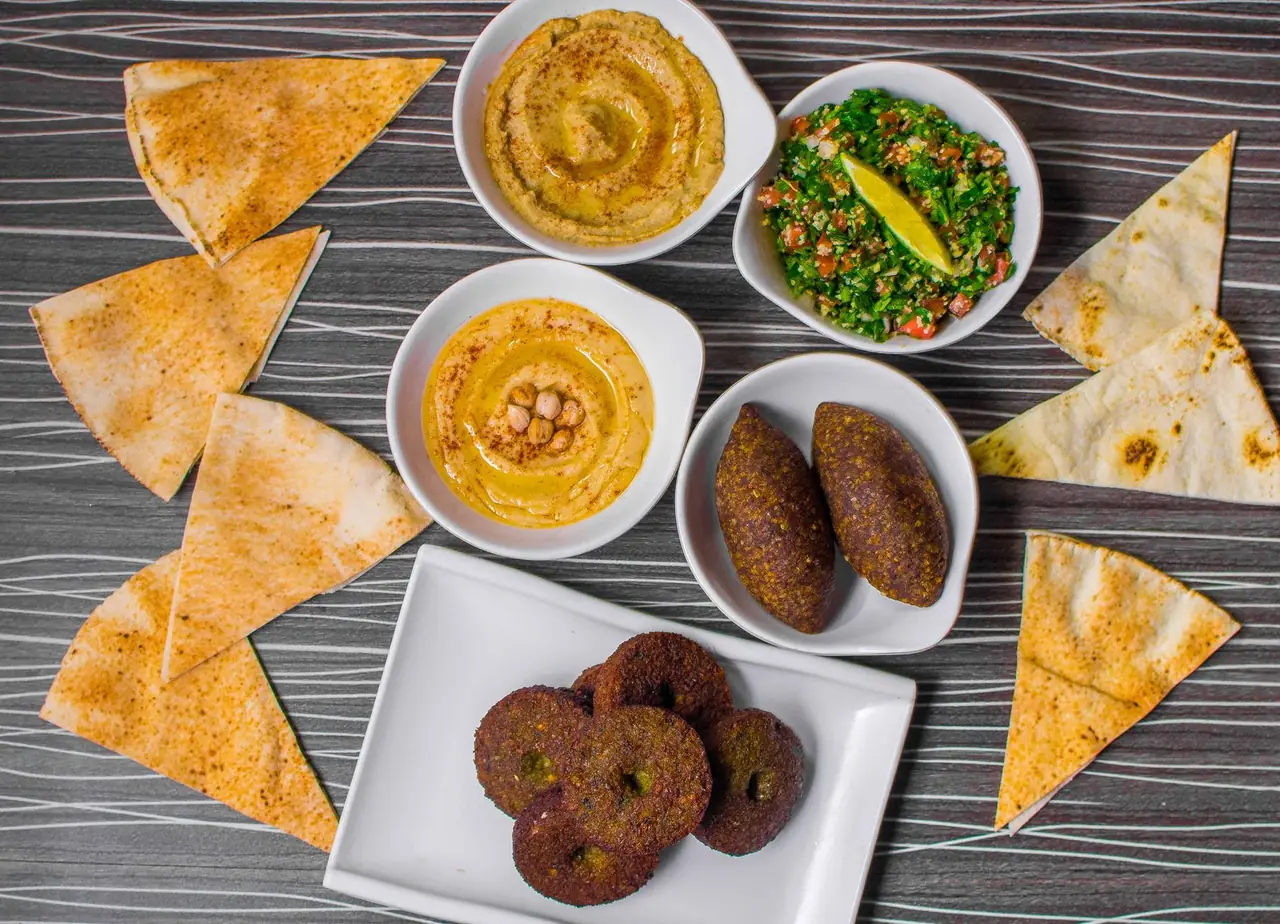
A Lebanese or Syrian table is a vegetarian’s dream if you order the mezze. Hummus, moutabal, baba ganoush, tabbouleh, fattoush, falafel, foul, warak enab (stuffed vine leaves), and fresh flatbread will fill a table and most of it is vegan as it stands. The trap is stock and hidden meat: some lentil soups are fine, but ask whether the vine leaves are the vegetarian version, since a meat-stuffed one looks almost identical.
Dedicated vegan kitchens
Dubai now has a solid cluster of fully plant-based spots, useful when you want to relax and not interrogate the menu. Neighbourhoods like Jumeirah, Al Wasl and the DIFC area have vegan cafes doing everything from grain bowls and smoothies to plant-based burgers and raw desserts. Expect café prices to sit higher than the Karama thali world, roughly 45 to 90 dirhams for a main, because these places target a wellness market and often sit in pricier districts. They are worth it when you want oat-milk coffee and a proper brunch without a single caveat.
How to ask about ghee, butter and stock
Cross-contamination and hidden animal products are the real challenge, not availability. A few habits that have never let me down:
- Ghee and butter. Assume Indian curries and breads may contain them unless told otherwise. Ask for dishes to be made with oil if you are vegan.
- Stock. Rice, soups and some “vegetable” dishes can be cooked with chicken stock. Ask specifically.
- Paneer and yoghurt. Common in Indian food and obviously not vegan, though fine for vegetarians.
- Fish sauce and shrimp paste. Watch these in Thai and some East Asian dishes.
Being clear and friendly gets far better results than a long list of demands.
Supermarkets and self-catering
If you have a kitchen, eating vegan here is genuinely easy. Larger branches of Carrefour, Spinneys and Waitrose carry plant-based milks, tofu, meat alternatives, and a good range of fresh produce. Spinneys and Waitrose tend to stock more imported vegan brands, while Carrefour is usually cheaper. Prices on imported specialist products run higher than you may be used to at home, so a block of tofu or a pack of vegan cheese can feel expensive, but staples like lentils, chickpeas, vegetables and rice are very affordable.
Want a kitchen for easy vegan self-catering?Apartment stays with free cancellation on many roomsLabels: halal, gluten free and what they actually tell you
Almost all meat sold and served in Dubai is halal, which is about how meat is sourced and slaughtered and does not make a dish vegetarian. A halal label is not a vegetarian or vegan signal. For gluten free, awareness is growing and many cafes now mark GF items, but dedicated gluten-free kitchens are rarer, so if you have coeliac disease rather than a preference, ask about shared fryers and flour dusting. Indian food helps here too, since many South Indian dishes are rice based rather than wheat based.
Which mall food courts work for a mixed group
When you are with meat-eaters and do not want a debate, mall food courts are the pragmatic answer because everyone finds something. Here is roughly how the big ones compare for meat-free eaters.
| Location | Vegetarian ease | Vegan ease | Notes |
|---|---|---|---|
| Dubai Mall | High | Medium to high | Huge choice, strong South Indian and Lebanese counters |
| Mall of the Emirates | High | Medium | Good spread, some dedicated healthy spots nearby |
| Ibn Battuta Mall | High | Medium | Strong Indian and Middle Eastern presence |
| City Walk (open air) | Medium to high | High | More trendy cafes with clear vegan menus |
My honest take: Dubai Mall is the safest all-rounder for a mixed group, and City Walk is where vegans get the least hassle.
Fitting it into how the city eats
Two mainstream Dubai food experiences deserve a note here.
The everyday food scene is where vegetarian eating is easiest, because the South Asian and Levantine cooking that dominates the old districts is largely plant-based to begin with; our Dubai food guide covers those neighbourhoods and what to order.
Brunch is more variable. The larger hotel brunches usually have substantial vegetarian sections and increasingly a vegan one, and the smaller venues can be thin, so it is worth asking when booking; our Friday brunch guide covers how the formats differ.
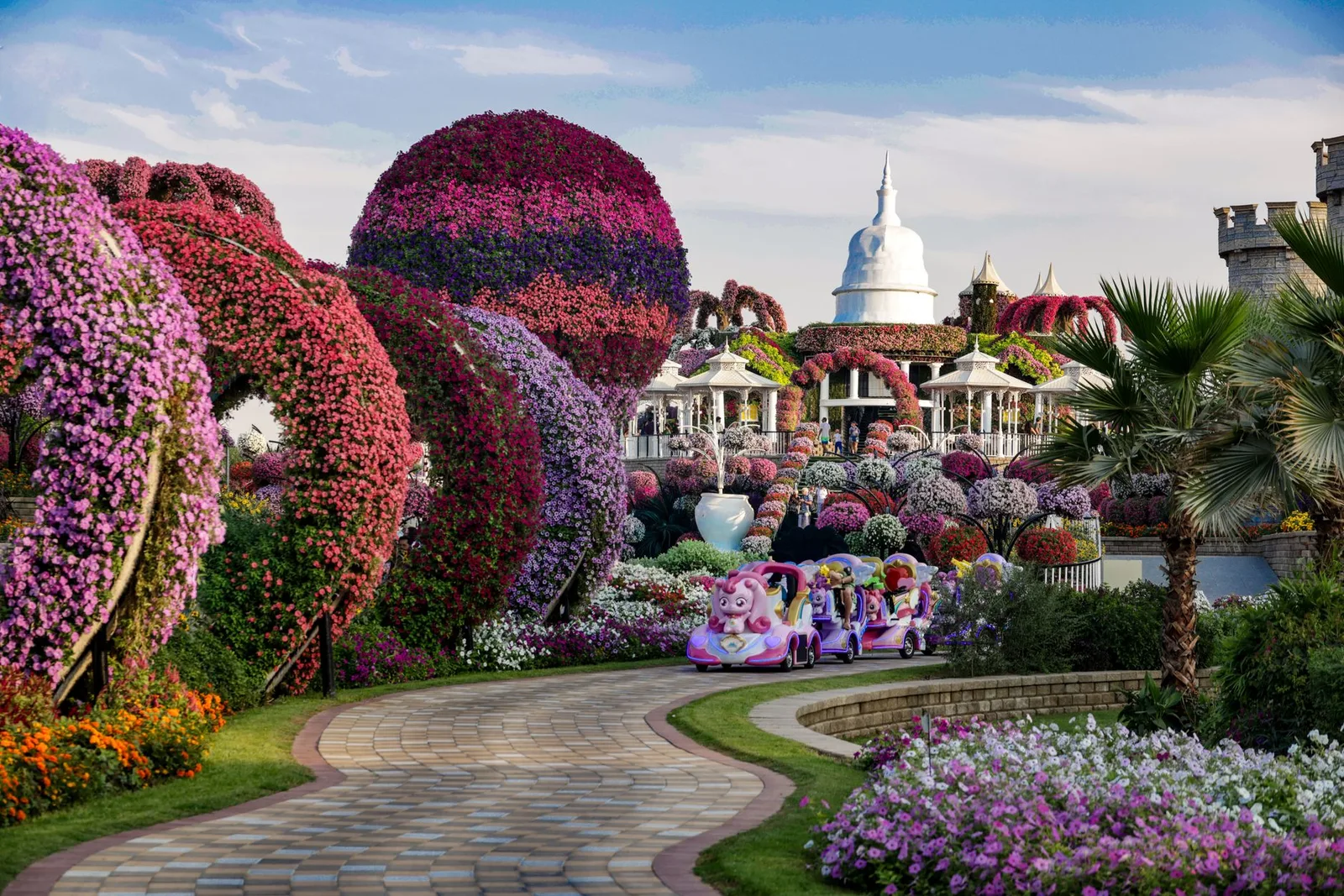
For an outdoor evening in the cool season, the seasonal food pavilions are unusually good for meat-free eating, and our Miracle Garden guide covers the other half of that season.
So, is Dubai good for vegetarians and vegans?
Yes, and more easily than many first-time visitors expect. The naturally vegetarian Indian and Levantine cooking gives you cheap, delicious, everyday options, the dedicated vegan kitchens cover the days you want zero compromise, and supermarkets make self-catering simple. The only real skill to learn is asking about ghee, butter and stock, and being clear about the difference between halal and vegetarian. Do that and you will eat extremely well.
What is the best meat-free meal you have had in Dubai, the fancy vegan brunch or the 18-dirham dosa? I would love to hear in the comments.