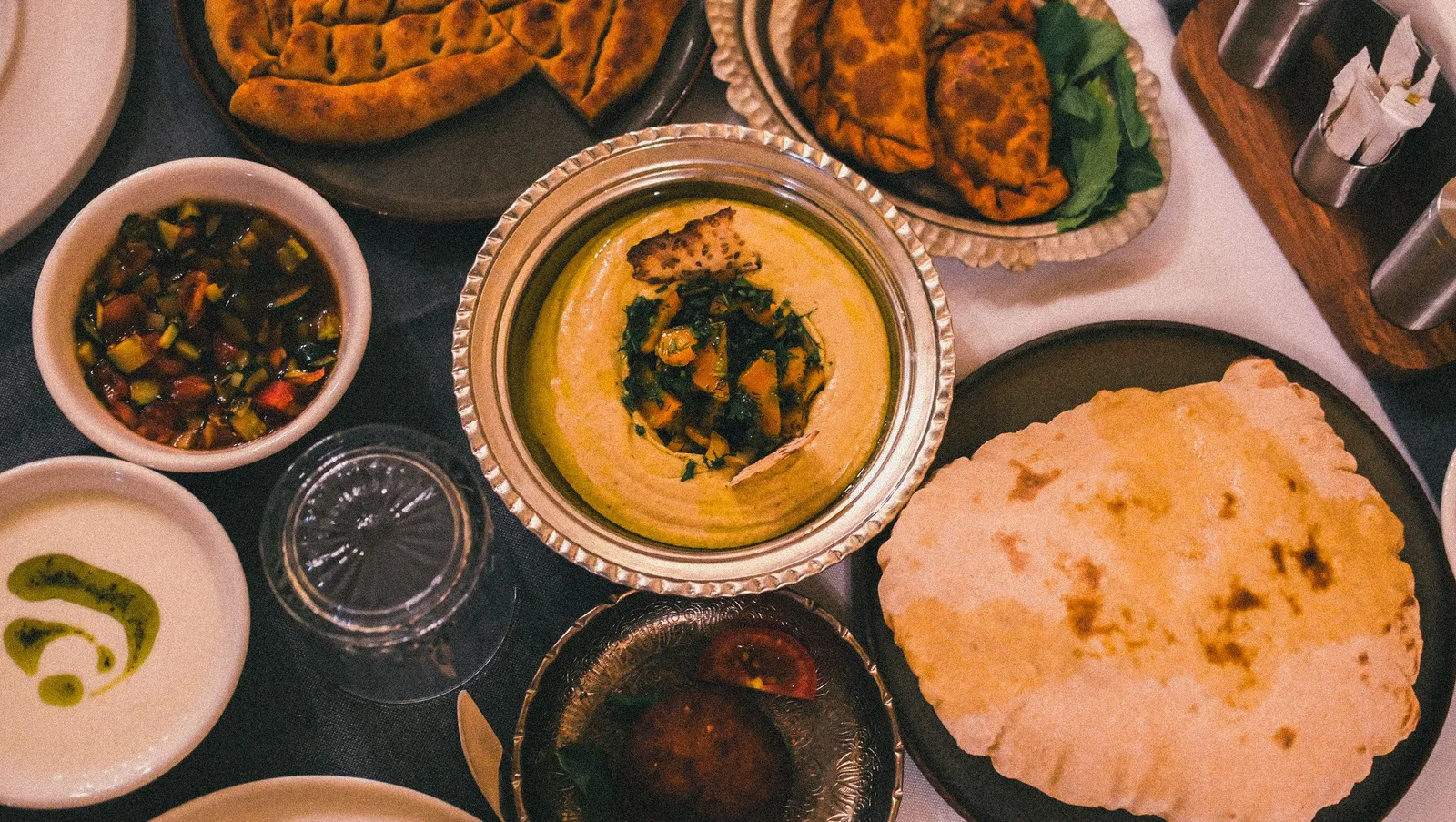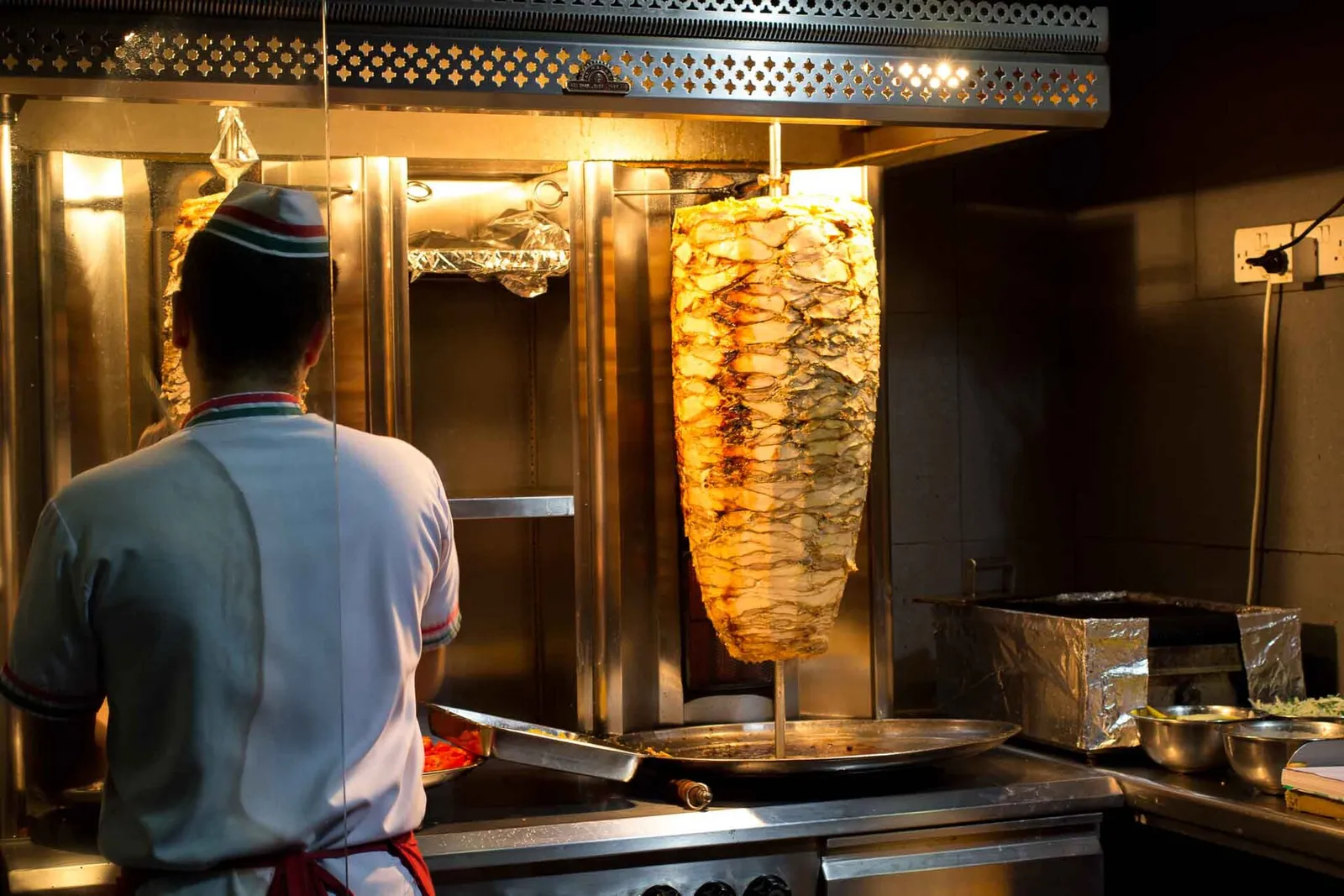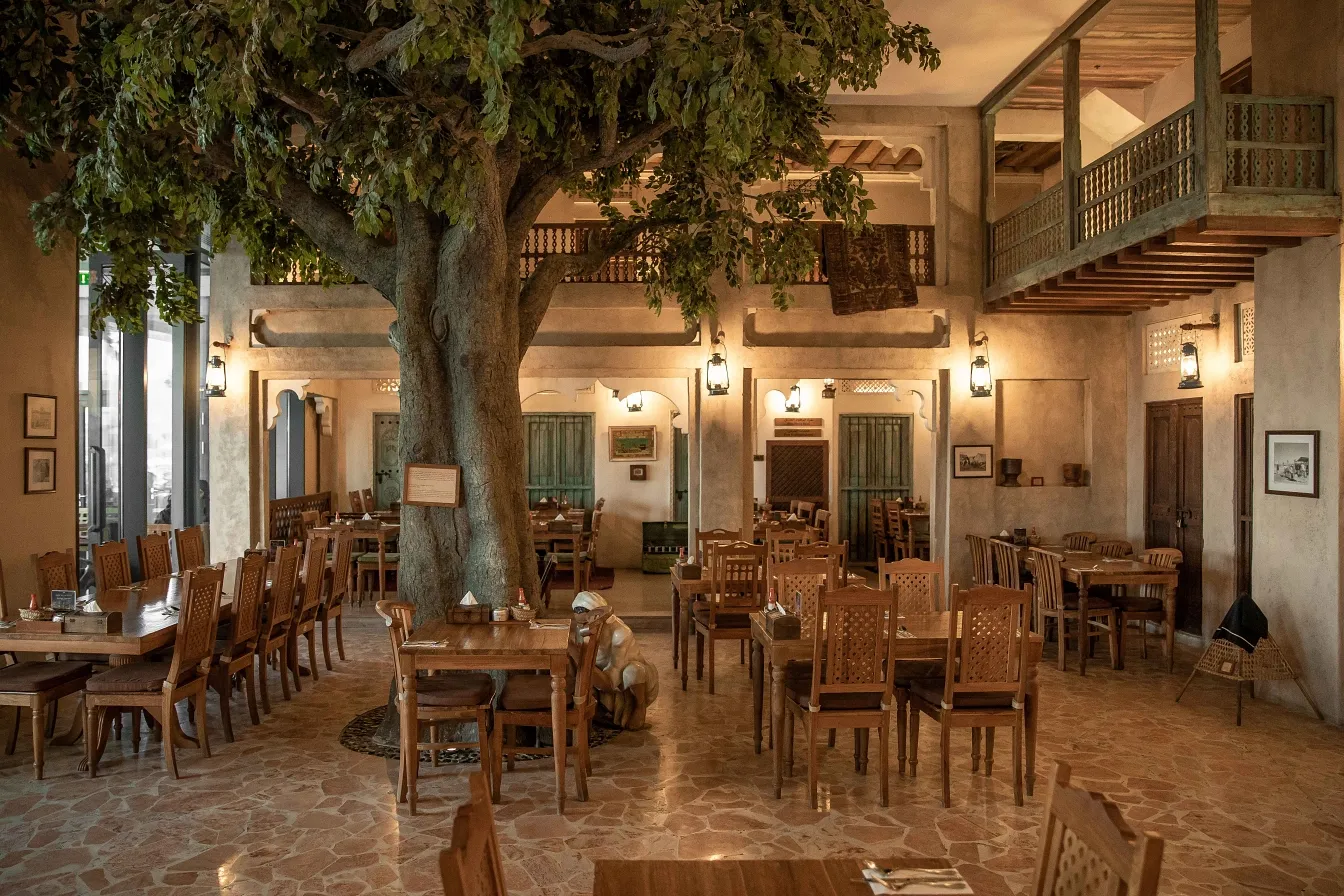
Dubai has a reputation for expensive food, and it is half deserved. The city does have some of the most extravagant restaurants on earth, and it also has a shawarma counter on almost every block selling something better for a fraction of the price. The difference between the two experiences is a short taxi ride and a small amount of knowledge. Here is what to eat, where the locals actually go, and how to spend either a lot or almost nothing and eat brilliantly both ways.
Understanding the food scene before you order
Dubai’s population is overwhelmingly made up of people who came from somewhere else, and its food reflects that with unusual honesty. The result is a city where the best everyday cooking is Indian, Pakistani, Lebanese, Iranian, Filipino and Egyptian, cooked by people who grew up with it, for other people who grew up with it, at prices set for residents rather than for tourists.
That has two consequences worth internalising.
Emirati food is a minority cuisine in its own city, which is why visitors rarely stumble across it and why finding it takes deliberate effort. It is absolutely worth that effort.
The best value is in the old districts, not the new ones. The further you move from a beachfront, a marina or a mall, the better the food and the lower the price, and the gradient is steep.
Emirati food, and where to find it
Seek this out early in a trip rather than leaving it as an afterthought.
Machboos is the dish to start with: spiced rice cooked with meat or fish, close cousin of biryani and kabsa, fragrant with dried lime and baharat.
Harees is wheat and meat slow-cooked to a smooth, comforting porridge, traditional at Ramadan and at celebrations.
Luqaimat are the dessert everyone remembers: small crisp dough balls, hot, drenched in date syrup, sold at festivals and in traditional restaurants.
Camel appears in various forms, from meat to milk to camel-milk ice cream, and is worth trying once for the story as much as the taste.
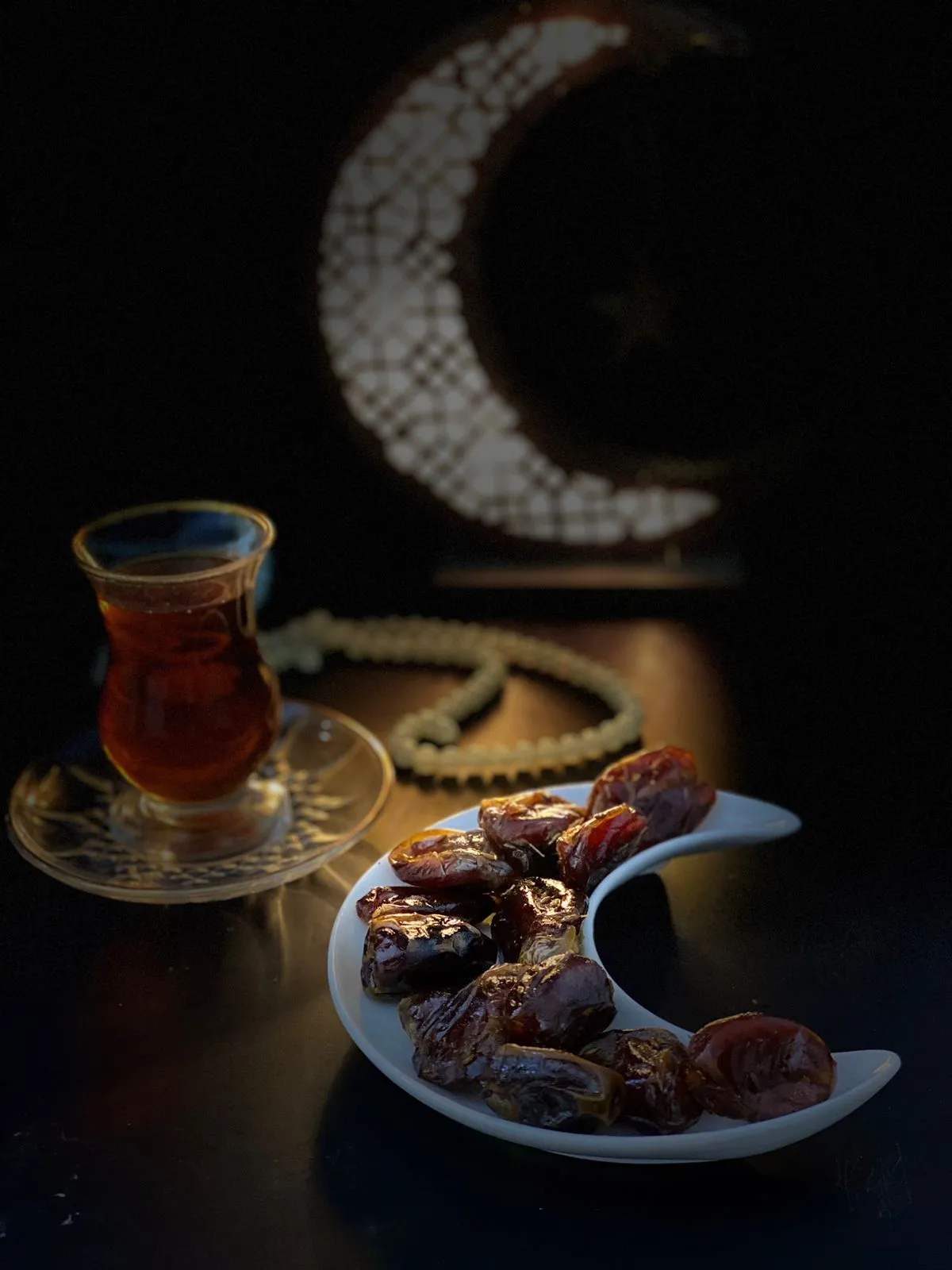
Gahwa and dates are the ritual rather than a course: lightly roasted Arabic coffee spiced with cardamom, served in tiny cups alongside dates, and offered as hospitality everywhere from a hotel lobby to a desert camp.
The most reliable places to find all of this are the heritage districts and a handful of dedicated Emirati restaurants that exist precisely because visitors ask.
Where the city actually eats
Cross the Creek and the price of dinner falls by an order of magnitude while the quality rises.
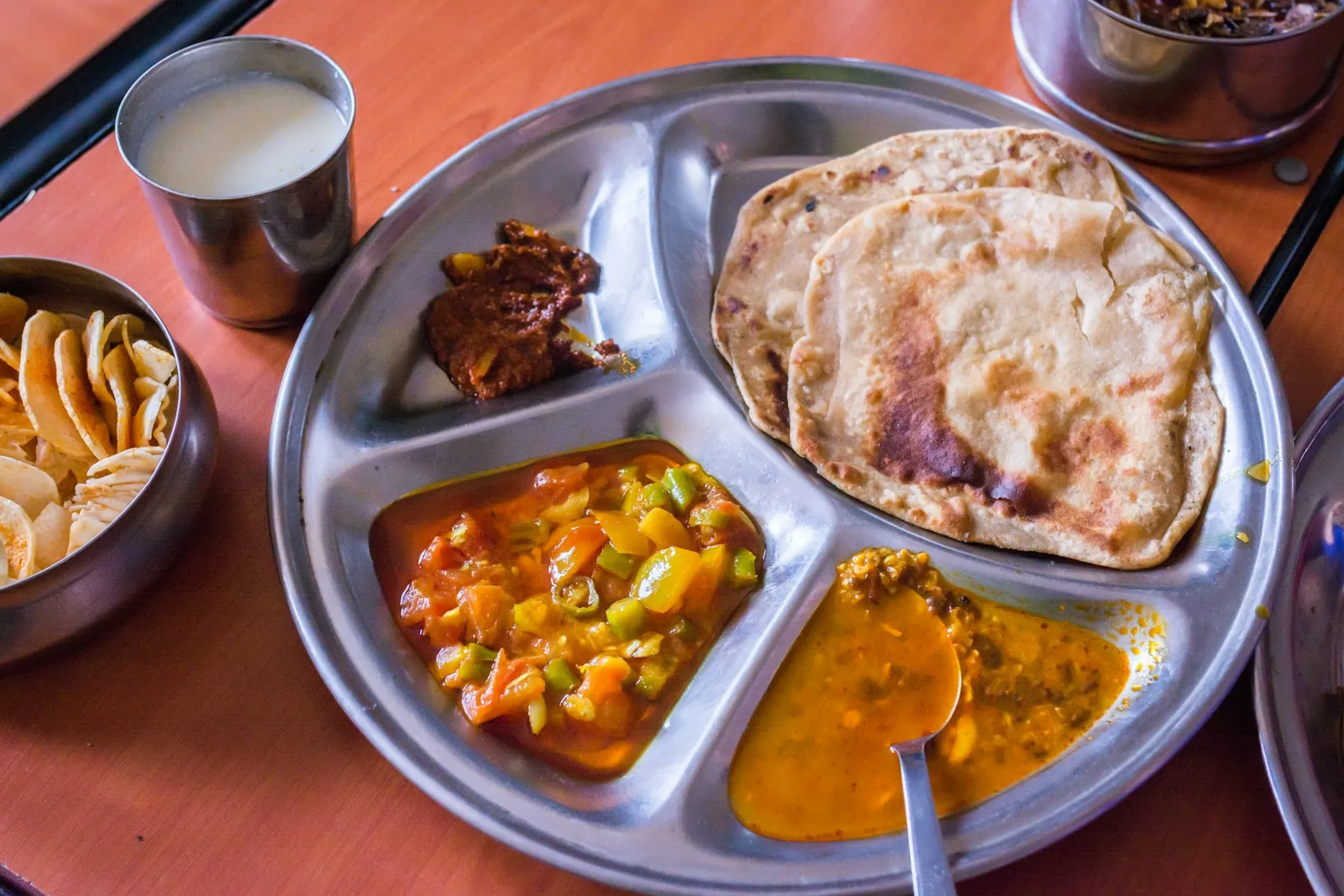
Deira and Bur Dubai are the heart of it: cafeterias, shawarma counters, Iranian bakeries turning out flatbread from a wall oven, Pakistani grills, Keralan fish curries and juice shops. Nothing is designed for tourists and everything is good.
Karama and Satwa are the other names residents give when asked where to eat cheaply and well, with a similar mix and a stronger South Asian accent.
Al Seef and the heritage areas offer a curated, prettier version of the same idea along the water, which is more comfortable and slightly more expensive.
The two dishes that define this level are shawarma, carved from the vertical spit into thin bread with pickles and garlic sauce, and karak, the sweet cardamom milk tea sold from hatches for pocket change. Buying a karak from a roadside hatch is the most local thing a visitor can do in this city.
The other end: brunch, rooftops and hotel dining
Dubai’s high-end scene is not a tourist trap, it is genuinely one of the strongest restaurant markets in the world, with chefs and franchises from every major food city operating here.
Friday brunch is the institution to understand. It is not eggs at a cafe: it is a long, set-price event at a hotel, running for several hours with lavish food stations and, at licensed venues, drinks packages. It is how residents socialise at the weekend, it books out at the popular places, and the day it falls on has shifted with changes to the UAE working week: since the weekend moved to Saturday and Sunday, the main sitting is now Saturday, with plenty of venues also running a Friday one. Confirm the current day and times with the venue rather than assuming. Our guide to Friday brunch in Dubai covers how the formats differ and what to look for.
Rooftops and view restaurants charge a premium for the skyline and, unusually, often deliver. The trick is to go for a drink and a snack rather than a full dinner if you want the view without the bill.
Hotel restaurants hold a large share of the best kitchens in the city, which is a quirk of the licensing system rather than an accident, and they are not the tourist compromise they would be elsewhere.
Eating with dietary requirements
Dubai is one of the easiest cities in the region for this.
Vegetarian and vegan eating is mainstream rather than an accommodation, thanks to the enormous South Asian population. Indian restaurants at every price level serve entirely vegetarian menus, Levantine mezze is largely plant-based, and dedicated vegan restaurants have multiplied; our vegetarian and vegan guide to Dubai covers the reliable options. The one thing to ask about is meat stock in soups and rice.
Halal is the default across the city rather than a special request.
Gluten free and allergies are well understood in mid-range and upmarket restaurants, and less so at the cheapest counters where English may be limited. A written note works better than a conversation.
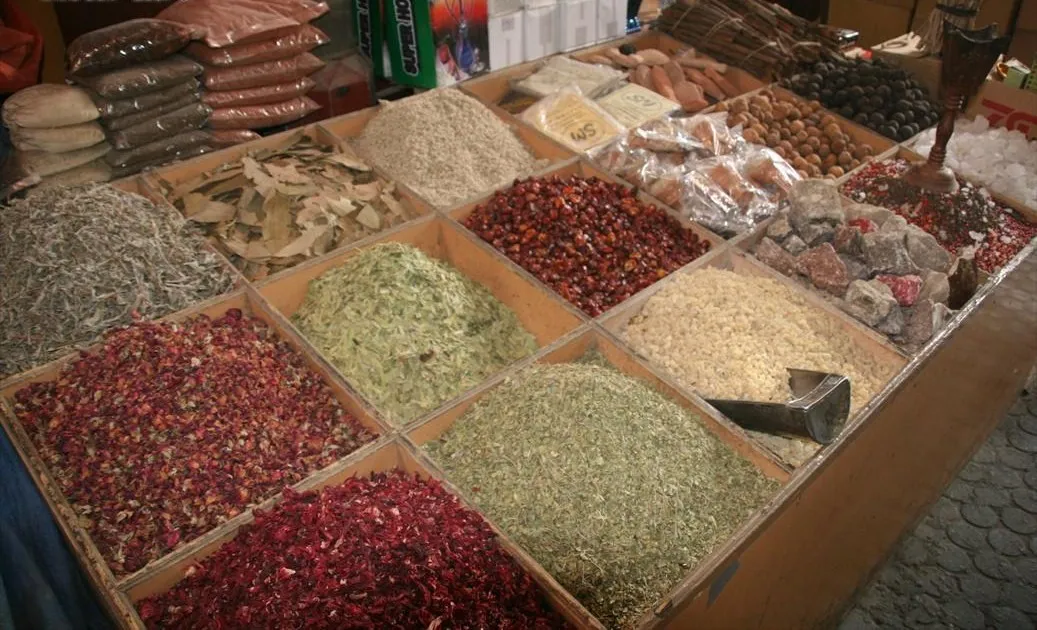
Where the food comes from, and why it matters
Dubai’s food scene has a structure that is not obvious from a restaurant list, and understanding it explains why the prices vary so wildly within a few kilometres.
The old city fed the workforce. Deira and Bur Dubai grew around the Creek and the trading port, and their food is the food of the communities who arrived to work: South Asian, Iranian, Levantine and East African. It is cooked for people eating six days a week rather than for a night out, which is exactly why it is cheap and good.
The new city imported restaurants. Along the coast and in the malls, brands and chefs were brought in from London, New York, Tokyo and Beirut, along with their price lists. Some of it is superb and some of it is licensing, and telling them apart is the same skill as anywhere.
Emirati food sat outside both for years, cooked at home rather than sold, which is why it took a deliberate revival for restaurants serving it to appear at all.
The practical takeaway is simple. Neither end is a tourist trap and neither is the real Dubai, because both are equally real. Eat across the range rather than choosing a side, and let the old city carry the everyday meals so the budget stretches to one memorable dinner.
The practical layer
Timing. Dubai eats late, particularly in summer when the outdoor hours are the evening ones, and restaurants fill from around nine. Lunch is earlier and quieter, and it is the cheapest time to eat at the good places.
Ramadan changes everything for a month: daytime service is restricted, and the evening iftar meal becomes the social event of the day. Visiting during Ramadan is a genuinely special food experience if you plan for it.
Booking matters for brunch, for the famous restaurants and for anything with a view. Everything else is walk-in.
Payment. Cards work almost everywhere; keep small notes for cafeterias, karak hatches and the souks.
Water. Tap water is generally considered safe and almost everyone drinks bottled, which is cheap and everywhere. In the heat, drinking constantly matters more than what you drink.
Fitting the food into the trip
Eating is not a separate activity here, it is the reward at the end of a day structured around the heat.
The rhythm that works is sights early, indoors in the middle, food and the city in the evening, which is exactly how the attractions are best sequenced too; our guide to the top things to do in Dubai groups them by district so the eating fits naturally at the end of each cluster.
The single most useful food decision for a first trip is to spend one evening across the Creek in the old districts rather than in the marina or a mall. It costs almost nothing, it is the best food in the city, and it is the evening people describe when they get home.
The short version
Eat Emirati at least once, for machboos, luqaimat and the coffee ritual. Spend half your meals in the old districts across the Creek, where shawarma, biryani and Iranian bread cost almost nothing and beat most of what you will pay for elsewhere. Drink karak from a roadside hatch. Book brunch if you want the institution, and check which day it falls on now. Then treat the famous restaurants as occasions rather than as the default, and Dubai turns out to be one of the great value food cities in disguise.