Dubai looks like a city built entirely for cars, and it mostly is, but the public transport that exists is genuinely excellent. The metro is driverless, spotless and air conditioned to the point of being cold, it runs the length of the city’s main road, and it costs almost nothing. Combine it with the tram at the Marina, an abra across the Creek and a taxi for the last kilometre and you can do a full Dubai trip without ever getting into a hire car.
The metro
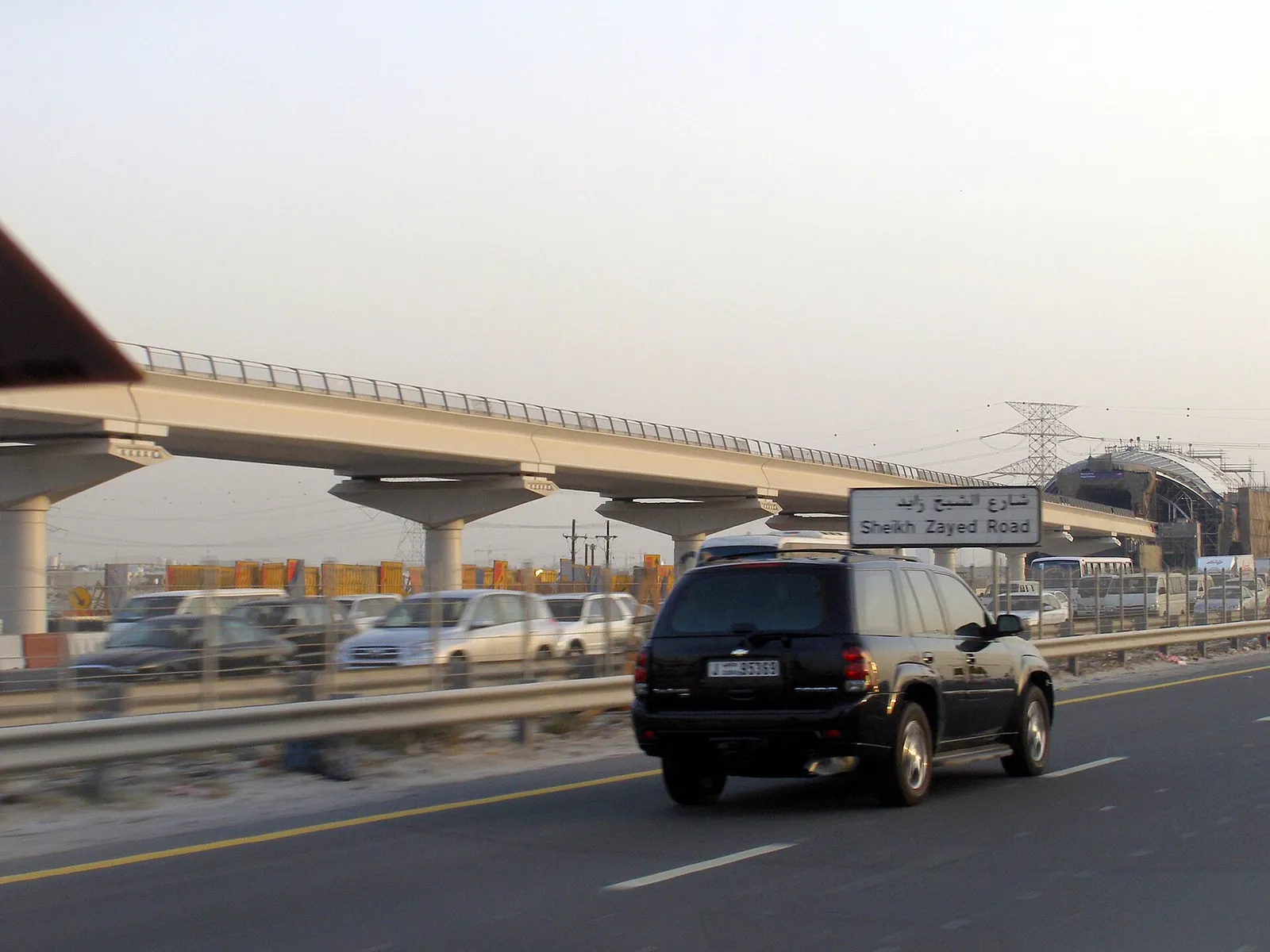
Two main lines. The Red Line runs from the airport through Deira, along Sheikh Zayed Road past Downtown and Business Bay and out to the Marina and beyond. The Green Line loops through the older districts either side of the Creek.
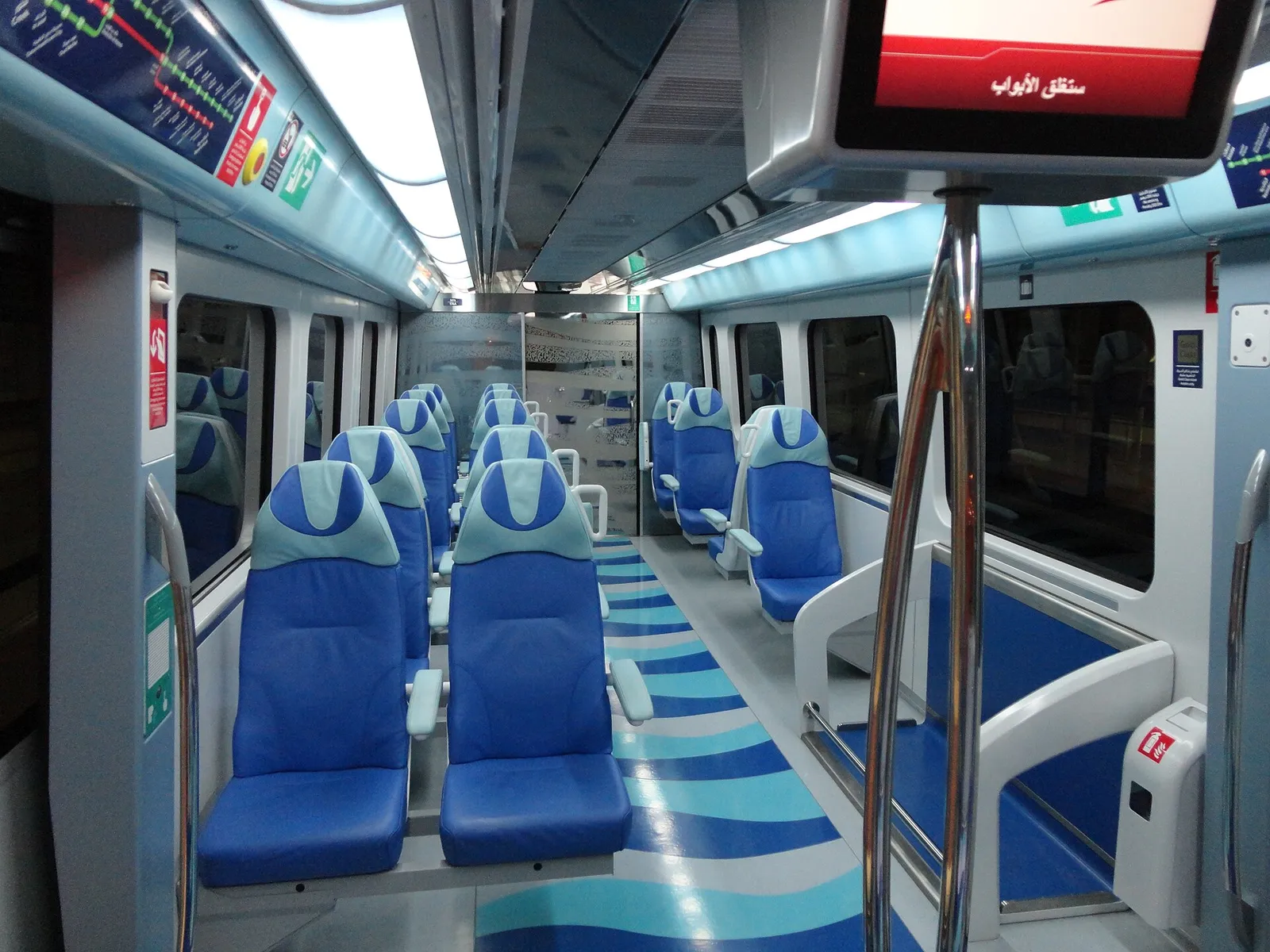
Driverless and frequent, with platform screen doors and clear announcements in English and Arabic.
Zonal fares, paid with a rechargeable travel card bought at any station.
Tap in and tap out. Forgetting the second one charges you the maximum fare.
Elevated for most of its length, which makes the ride itself a decent sightseeing trip along the skyline.
An overnight closure, with different hours at weekends and during Ramadan.
The rest of the network
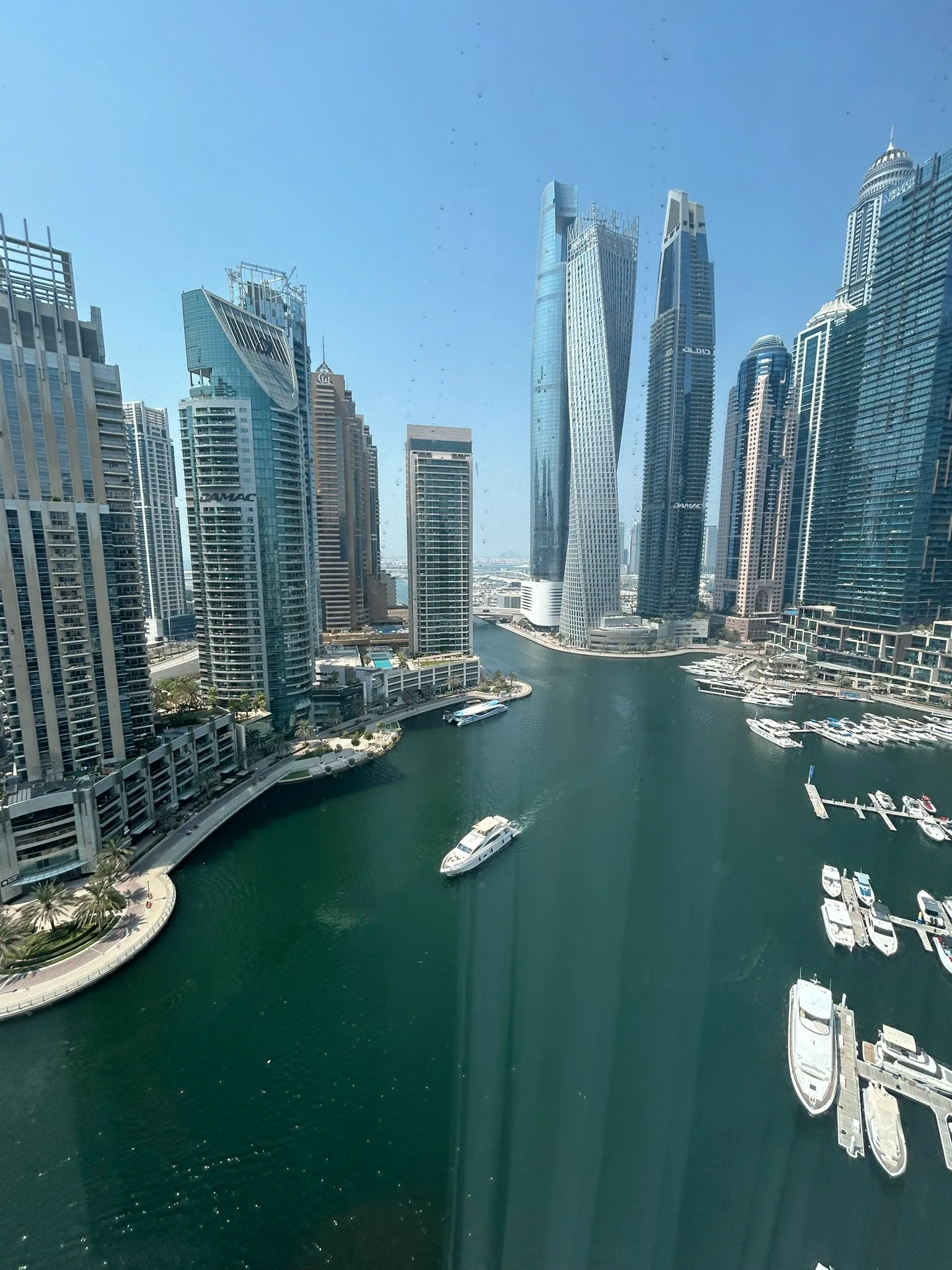
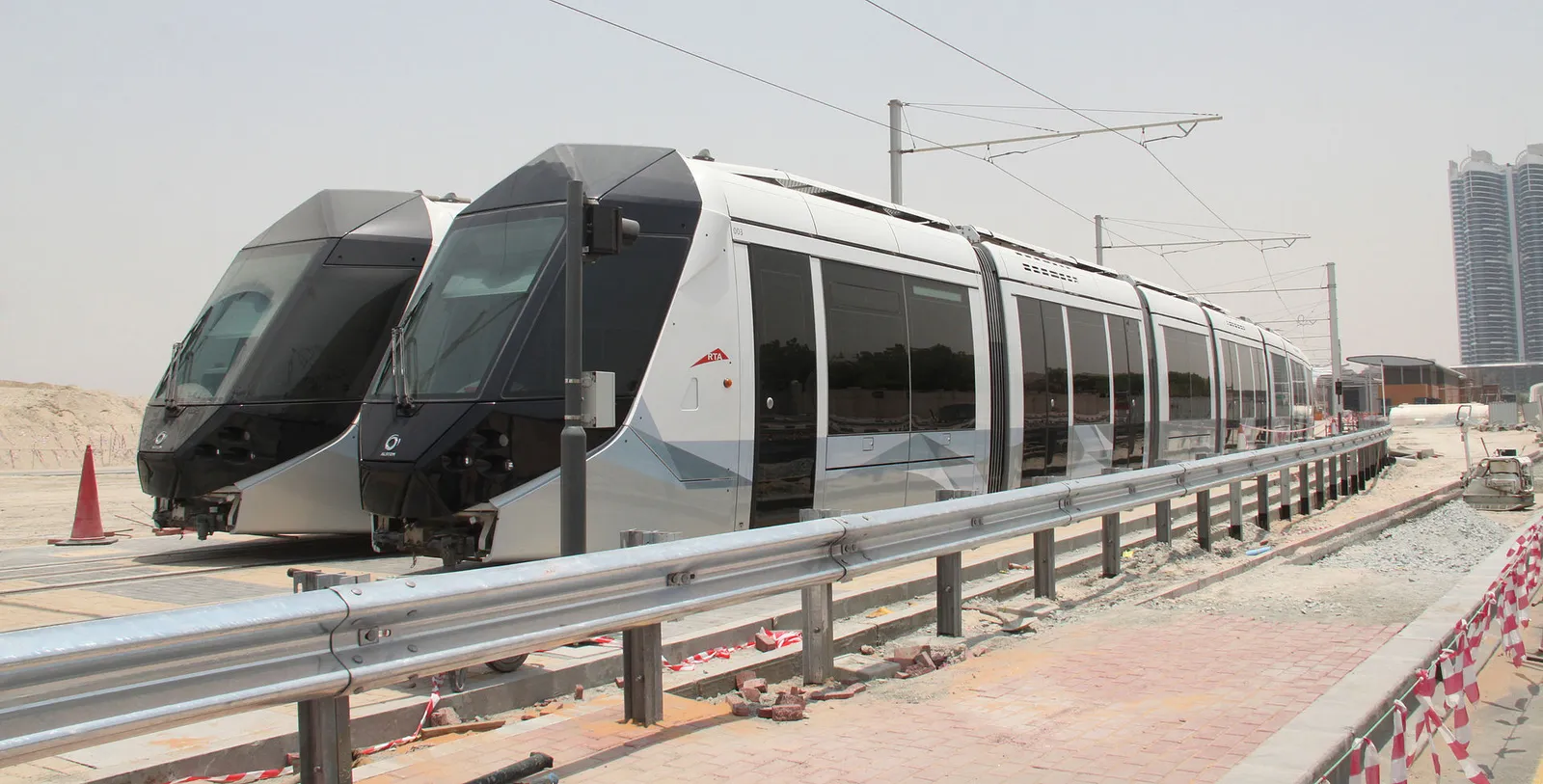
The tram, which loops through the Marina and JBR and connects to the Red Line, useful in the heat.
Buses, extensive, air conditioned and used mostly by residents rather than visitors.
Abras, the wooden boats across the Creek, paid in cash, a couple of minutes and a tiny fare.
Water buses and ferries, a more comfortable and more expensive version of the same idea.
Taxis, cream coloured, metered, everywhere, and cheap by the standards of most visitors’ home cities.
Ride hailing apps, which work properly here and are regulated.
Where the network stops working
The desert, which is a tour or a hire car, full stop.
Several of the best beaches and beach clubs, which are a taxi from the nearest station.
The Palm, which has a monorail from the trunk but needs a tram or taxi connection to reach it.
Anything crosswise, since the network is essentially linear along the coast and the main road.
Long summer walks between the station and the destination, which look short on a map and are brutal in August.
Practical notes
Buy the travel card at the machine in any station, including at the airport, and top it up as you go.
Peak hours on the Red Line are genuinely busy in both directions.
Air conditioning is aggressive; a light layer is not a joke in August.
Station names are frequently sponsored and change, which makes older directions unreliable.
Taxis take cards in most vehicles now, and cash is still smoother for an abra.
Distances mislead. Two stations apart can be a very long walk at street level.
Where this fits in a Dubai trip
Transport here is a function of where you sleep more than anything else.
For which district actually suits you, and how far each sits from a station, our guide to Dubai’s neighbourhoods covers the map.
For the journey in from the airport and whether the metro is running when you land, our guide to Dubai airport transfers covers the options.
And for the part of the city the Green Line and the abras were made for, our guide to Old Dubai, the Creek and the souks covers the walk.
The short version
Buy a travel card at the first station you reach and use the Red Line as your spine. Take the tram at the Marina and an abra across the Creek, which costs a few coins and is the best short journey in the city. Finish your water before the gate, stay out of the Gold and the women and children carriages unless they are yours, and expect fines rather than warnings. Take taxis for the last kilometre without hesitation, because they are cheap. And check the metro’s current hours before relying on it late at night.