Dubai has one question that matters more than any other when you plan a trip: when to go. The gap between a perfect Dubai day and an unbearable one is not the itinerary, it is the thermometer. Come in the right months and the desert, the beaches and the rooftops are glorious. Come in the wrong ones and you will spend the week hiding from the heat. Here is the season-by-season breakdown to pick your dates, wherever you are flying from.
The short answer
The cool season, November to March, is the best time to visit Dubai, full stop. Warm sunny days, comfortable evenings, and everything outdoors at its best. If you can travel then, do. The rest of this guide is about the trade-offs, the shoulder months, and the reasons you might choose otherwise.
November to March: the high season
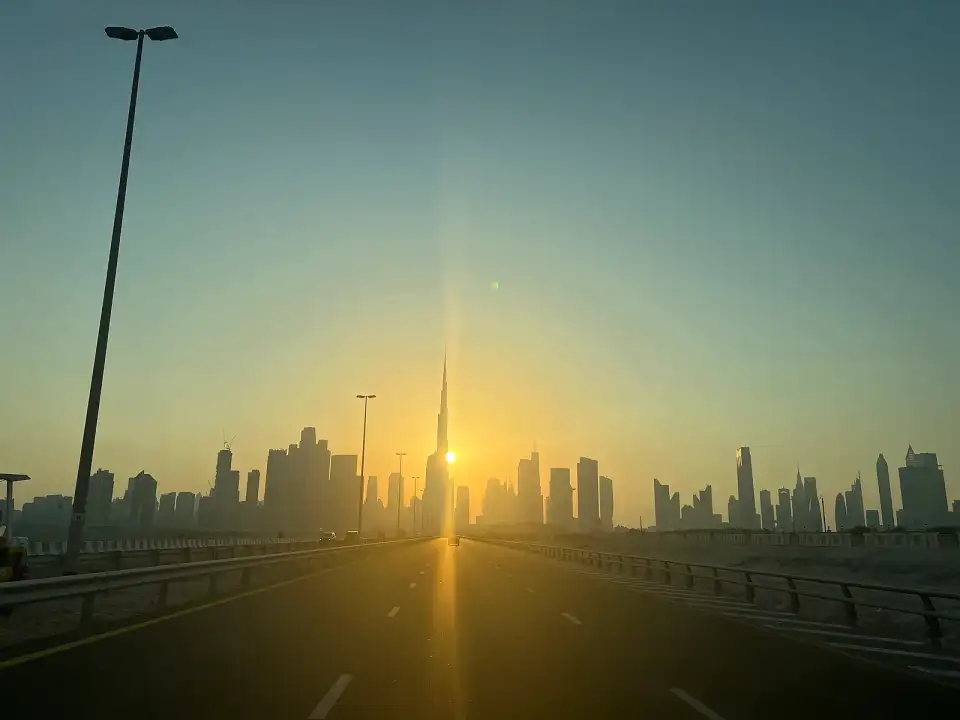
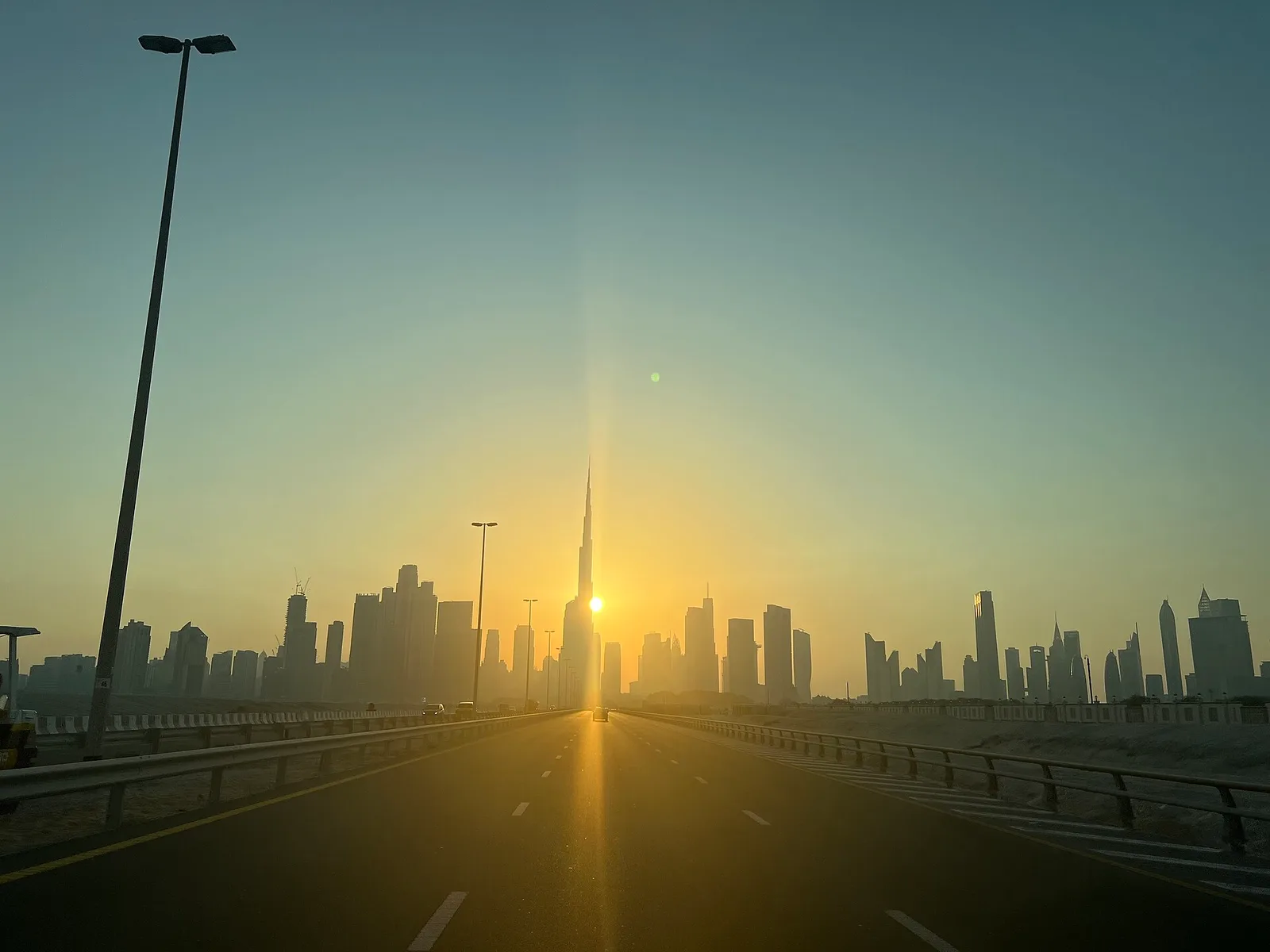
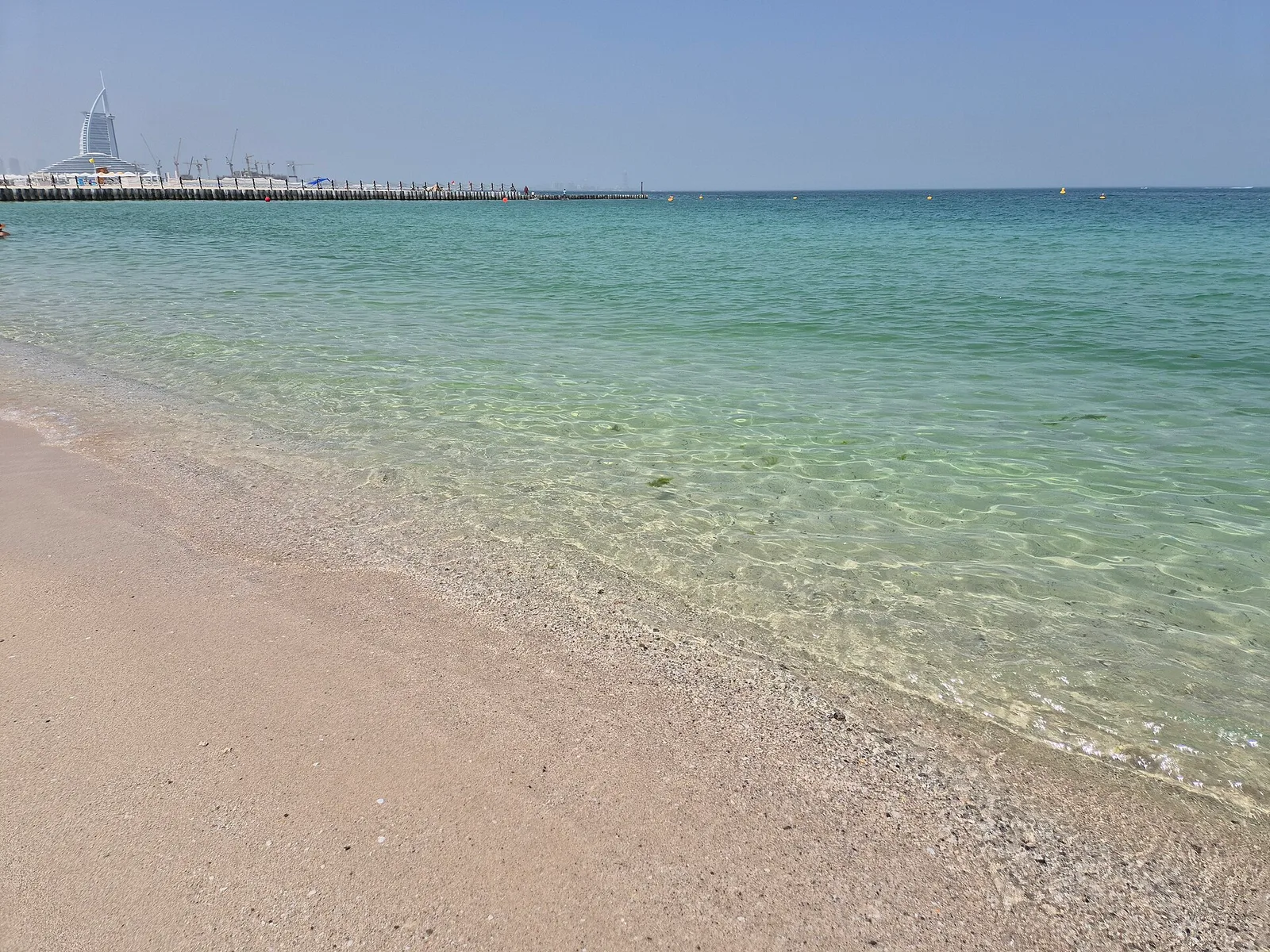
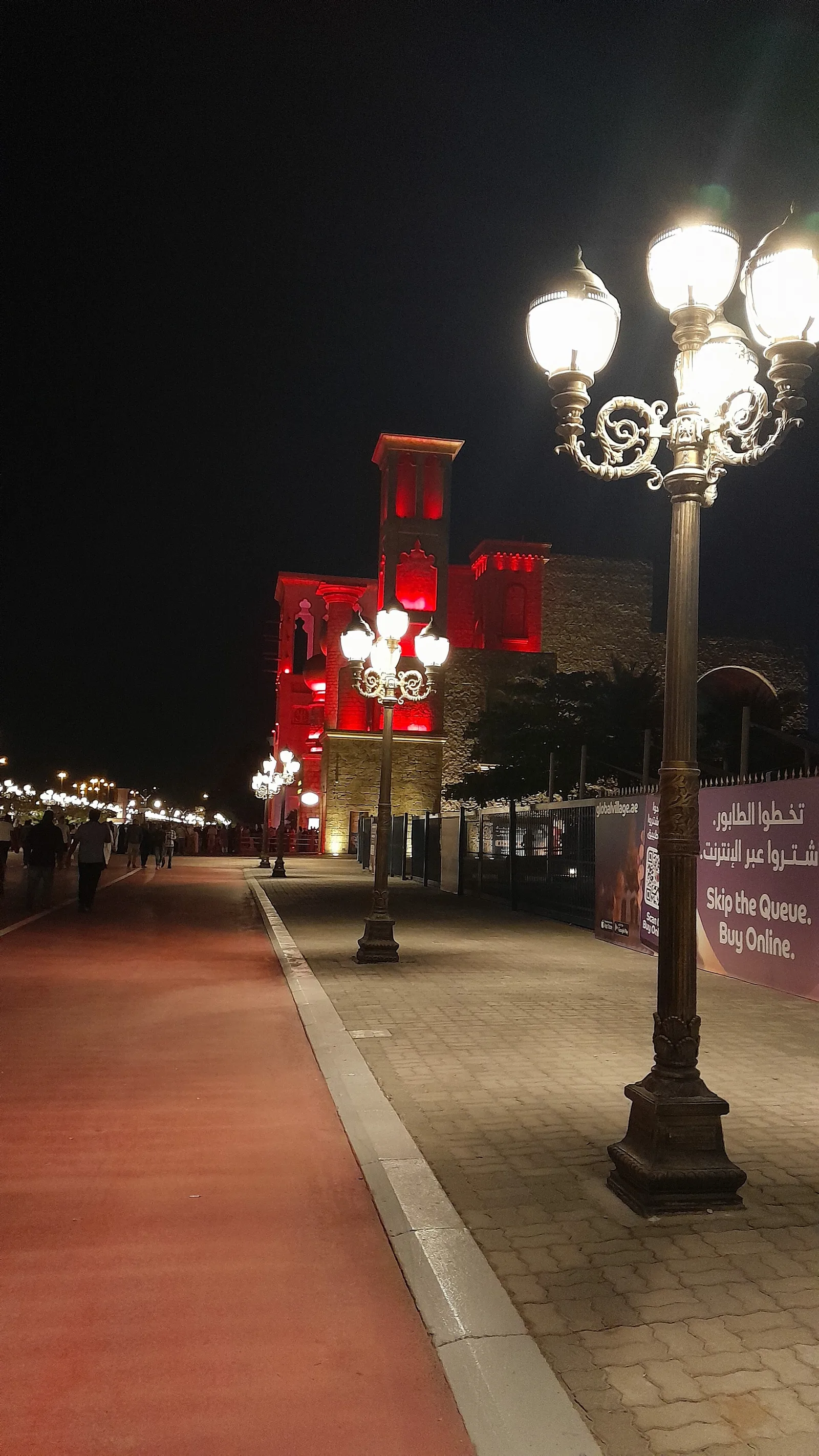
This is Dubai at its finest. Daytime temperatures sit in the pleasant warm range, evenings are cool enough for a light layer, and the humidity drops. The desert safaris, beach days, rooftop bars and outdoor dining are all at their peak, and seasonal attractions like Global Village and Miracle Garden are open.
The catch is that everyone knows it. This is peak season, so hotel prices climb, the big attractions are busy, and the best desert safaris fill weeks ahead while Burj Khalifa sunset slots go several days in advance. December and January are the busiest and priciest, coinciding with the winter holidays and the Dubai Shopping Festival. If you want the great weather with a little more breathing room, aim for the edges: November or March.
April, May and October: the shoulder months
The shoulder seasons are the underrated sweet spot for value-minded travellers. In April and October, and to a lesser extent early May, the weather is still warm and often perfectly enjoyable, especially early and late in the day, while prices soften and crowds thin compared with the winter peak.
By late April and into May the heat is building fast, and beach and desert time gets less comfortable around midday. But if you plan your days around the mornings and evenings and lean on the pools, a shoulder-month trip can give you most of the good weather at a fraction of the peak price. October, cooling down after the summer, is the better of the two for outdoor plans.
June to September: the scorching summer
Summer in Dubai is genuinely extreme, regularly above 40C and often very humid, to the point where being outside in the middle of the day is uncomfortable and, at the peak, unwise. The desert is dangerously hot by day, and even the sea feels like a warm bath.
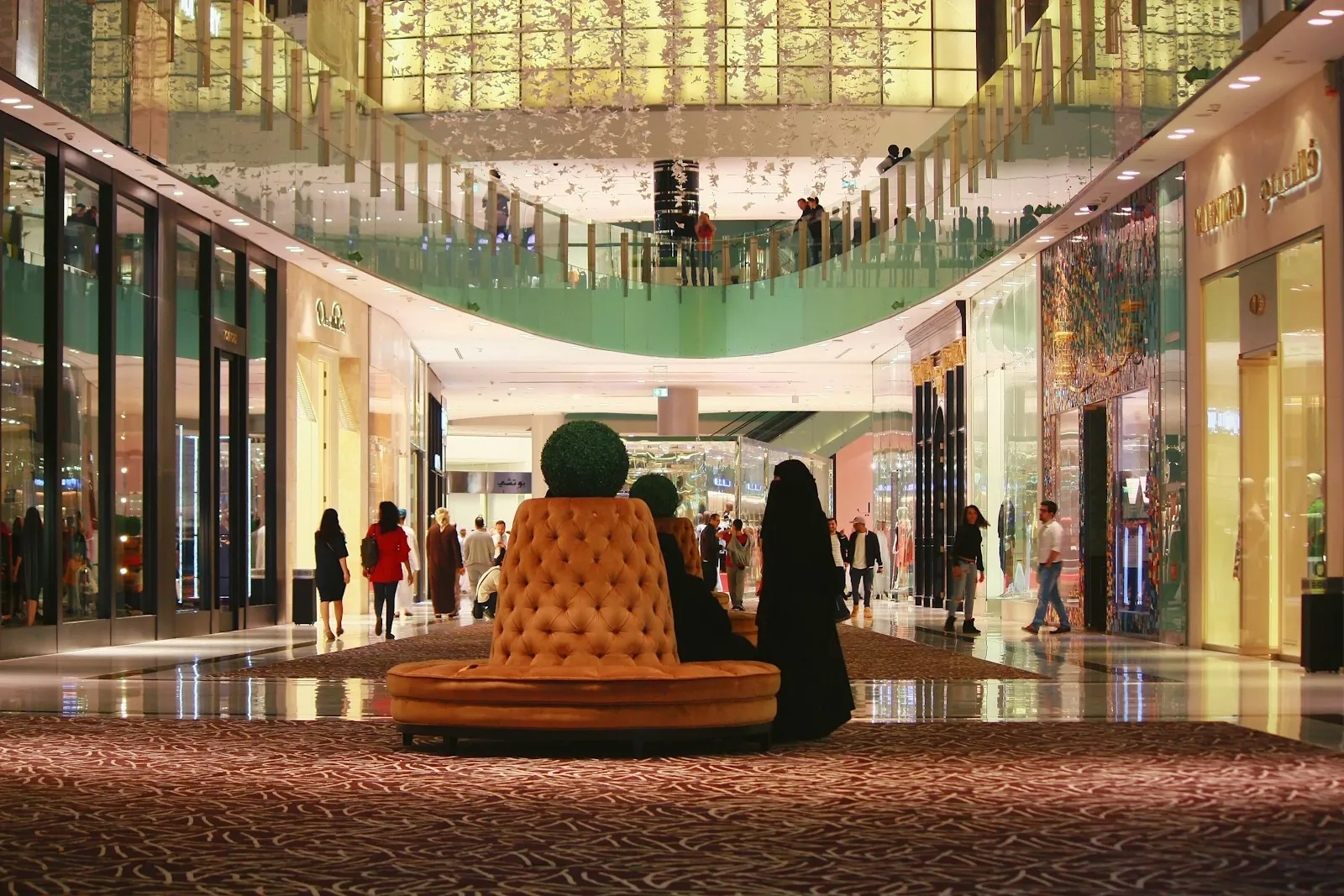
That said, summer is not a write-off, it is a different trip. Dubai is built for it: the entire city is air-conditioned, and the summer is when you lean into malls, indoor attractions, aquariums, Ski Dubai, waterparks and hotel pools. Crucially, it is the cheapest and least crowded time, with big drops in hotel prices and short queues everywhere. If you are a deal-hunter who does not mind an indoor-heavy itinerary and early-morning excursions, summer can be smart. If your dream is beach lounging and desert sunsets, it is not your season.
Summer is when the luxury deals appearIf heat does not scare you, the five-star hotels that cost a fortune in winter drop hard from June to SeptemberRamadan: a different rhythm
Ramadan, the Islamic holy month, shifts by around eleven days each year, so check when it falls for your dates. During Ramadan, eating, drinking and smoking in public during daylight hours is limited, some venues change their hours, and the daytime pace is quieter and more reflective. After sunset the city comes alive for iftar, and the evening atmosphere, with lavish tents and communal meals, can be a genuinely special thing to experience.
As a tourist you are not expected to fast, and hotels and many restaurants continue to serve guests discreetly throughout the day. You do not need to avoid Dubai during Ramadan, but go knowing the rhythm is different: gentler days, livelier nights, and a chance to see a more cultural side of the city.
Events worth planning around
A few fixtures can shape your dates. The Dubai Shopping Festival, in the December-to-January window, brings sales, entertainment and a festive buzz, along with higher demand. New Year’s Eve sees one of the world’s most spectacular firework displays around the Burj Khalifa, unforgettable but crowded and expensive. Sporting and entertainment events, concerts, tennis, air shows, and the seasonal runs of Global Village and Miracle Garden, cluster in the cool months. If a specific event is your reason to come, book early, as the whole city fills around the big ones.
The year at a glance
| Months | The weather | What it means for the trip |
|---|---|---|
| November to March | Warm days, cool evenings, low humidity | Everything outdoors is at its best, prices highest |
| December to January | The peak of the cool season | Busiest and dearest, book far ahead |
| April and May | Warm turning hot | Good value, plan around mornings and evenings |
| June to September | Extreme heat, high humidity | Cheapest, indoor trip, early starts only |
| October | Cooling down after summer | The best value month with usable outdoor time |
Two dates move each year and are worth checking against yours: Ramadan, which shifts by around eleven days annually, and the school holiday patterns of the markets that send the most visitors, which drive the sharpest price spikes within the cool season.
Planning a day around the heat
For most of the year, the temperature decides your itinerary more than your interests do, and the visitors who enjoy Dubai are the ones who accept that early.
The workable shape is outdoors early, indoors in the middle, outdoors again after four. The old districts, the Creek, the beaches and the walking areas are pleasant at either end of the day and punishing in between, while the malls, the aquarium, the museums and the indoor ski slope exist precisely to absorb the hours nobody wants to spend outside.
Two practical details. Water is not optional, and dehydration sneaks up in dry heat because you sweat less visibly. And distances that look walkable are not, for a good part of the year: a fifteen-minute walk between two towers is a different proposition at forty degrees, which is why the city runs on air-conditioned links, taxis and the Metro.
What the season does to prices
Dubai’s price swing across the year is larger than almost any comparable destination, and it is the main reason the season question matters as much as the weather one.
Hotels move the most. A property that is expensive in January can be a fraction of that in August, and the same movement applies across categories, from mid-range to the famous beach resorts. This is the single biggest lever on the cost of a trip.
Flights follow the same curve more gently, with the sharpest spikes around the winter holidays and the school breaks in the markets that send the most visitors.
Attractions and tours are the most stable. Entry prices generally do not move much by season, but availability does: in the cool months the sunset slots and the better safaris sell out, while in summer you can book almost anything the day before.
The consequence is simple arithmetic. A summer trip can cost dramatically less for the same hotel and the same attractions, and what you give up is outdoor time rather than quality. Whether that is a good trade depends entirely on why you are coming, and any figure quoted anywhere, including here, should be checked against live rates for your own dates.
Fitting the season to the trip
The month you choose changes which version of Dubai you get, so it helps to work backwards from what you actually want.
If this is a first visit and you want the full picture, the cool season is worth paying for, and our first-time guide to Dubai covers how the pieces fit together across three or four days.
If you are coming for the views and the icons, timing is finer than seasonal: the sunset slots at the observation decks are the ones that sell out first in every month, and our Burj Khalifa tickets guide explains which tier and which hour are worth booking.
And if you are travelling in the heat, how you move around matters more than where you go. The Metro is air-conditioned end to end, including the stations and many of the walkways, which makes it the difference between a comfortable summer day and a miserable one, and a hotel within a few minutes of a station is worth far more in July than in January.
Two things to settle alongside the dates
Once the month is chosen, two pieces of admin follow.
Entry, since what you need depends entirely on your passport and some nationalities arrange a visa in advance through a sponsor; our Dubai visa and entry guide sets out which lane you are in.
Food, because the season changes how you eat here: summer is an indoor, late-evening city, and the cooler months open up the terraces. Dietary requirements are unusually well served year-round, and our vegetarian and vegan guide covers the options.
How to decide
Match the season to the trip you want. For the classic Dubai holiday, beach, desert, rooftops and sightseeing in comfort, book November to March, and reserve your headline experiences early. For the best value with decent weather, target the shoulder months of October, April and early May, and plan around the mornings and evenings. For rock-bottom prices and an indoor-focused city break, brave the summer and lean into the malls, pools and air-conditioned wonders.
Whatever you choose, remember that Dubai never really closes, it just moves indoors when the sun turns fierce. Pick the season that fits your priorities and your budget, book the weather-dependent experiences ahead in the busy months, and the city will deliver.