Dubai is one of the easiest major destinations in the world to enter and one of the easiest to get wrong in a small, avoidable way. For a large share of visitors there is no application, no fee and no form: you land, you are photographed, you are through in minutes. The complications are elsewhere, in passport validity, in what is in your suitcase, and in a set of rules about behaviour that are enforced rather than suggested. Here is the whole picture.
The disclaimer that matters more than the rules
UAE entry policy has changed several times in recent years, in both directions, and the permitted length of stay is nationality-specific rather than universal.
What does not change quickly is the structure, and that is what this guide explains. For the entitlement attached to your specific passport, check an official UAE government or immigration source when you book and again close to travel. Do not rely on a friend’s experience on a different passport, and be particularly careful with pages that do not show when they were last updated.
Which lane your passport is in
Almost every question about entering Dubai is really a question about which of three groups you fall into.
Entry on arrival, no advance application. A long list of nationalities, including British, American, Canadian, Australian, New Zealand, Irish and EU passport holders, are granted entry at the airport with no paperwork beyond the passport itself. The permitted stay varies by nationality.
Visa arranged in advance. Other passports apply before travel, usually through a sponsor, which in practice means the airline you are flying, your hotel, or a tour operator handling it on your behalf. South African passport holders sit here, which is the gap most English-language guides skip entirely.
Special categories. Residents of certain countries, holders of particular residence visas and transit passengers may have their own arrangements that differ from their nationality’s default.
Two notes for families and dual nationals. Every traveller needs their own passport, including infants, and the entitlement follows the document rather than the household. And if you hold two passports, the one you present at check-in is the one whose rules apply, so decide before you book.

Passport validity and the check-in trap
Two numbers decide whether you board, and both are enforced by the airline before the UAE ever sees you.
Six months of validity from your date of entry is the standard requirement. A passport that expires five months after arrival is the classic reason a trip ends at the departure gate.
Blank pages are needed for the stamp, and a damaged passport, particularly one with a loose or water-damaged photo page, is refused more often than people expect.
Beyond the passport, keep three things reachable offline on your phone: your return or onward ticket, your first night’s accommodation address, and your insurance details. The address is the question most likely to be asked, and the one people cannot answer after a long flight.
Arrival, and how quick it really is
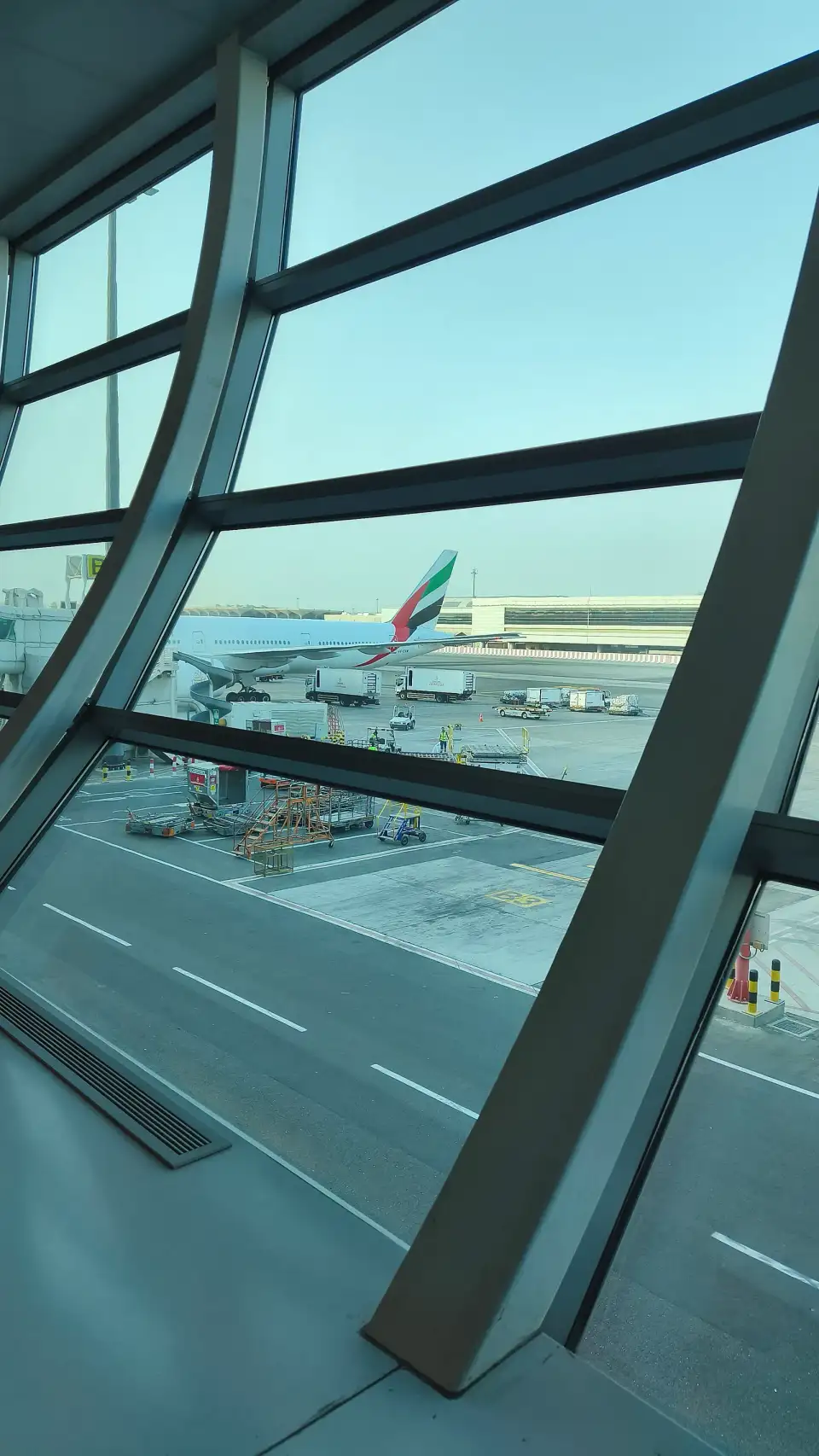
Dubai’s airport is enormous, modern and well signposted, and immigration is usually faster than the walk to it.
Most visitors pass through smart gates using facial recognition and a passport scan, which takes seconds rather than minutes, and the traditional counters are there for anyone the gates do not process. There is no arrival form to complete and no fee to pay for entry-on-arrival nationalities.
Two habits are worth the seconds they take. Note your entry date, since the permitted stay is counted from it and only you know your onward plans. And check which terminal you are landing at, because the airport is spread out and the routes into the city differ.
After that the city is a straightforward metro, bus or taxi ride away, and our first-time guide to Dubai covers what to sort in the first hours, from the transport card to the season-appropriate rhythm of the day.
What customs actually restricts
This is where Dubai differs most from a European or American arrival, and where preparation matters.
Medication is the big one, covered above. Prior approval is a real process with a real form, not a formality.
Alcohol allowances into the country are limited and apply to duty-free purchases; buying more than the allowance is a customs matter rather than a moral one.
Poppy seeds and certain herbal or CBD products are restricted or prohibited, including items sold legally in supermarkets elsewhere.
Material considered offensive to public morals or religion is restricted, which in practice affects printed matter far more than anything on your phone.
Cash above a declared threshold must be declared, as in most countries.
None of this is designed to catch tourists, and the overwhelming majority of visitors walk through green channels without a second thought. The people who have a bad day are almost always the ones who packed something ordinary without checking.
The rules that continue after the airport
Entry is the easy part. What surprises visitors is that a handful of everyday rules here are enforced rather than advisory, and knowing them removes essentially all risk.
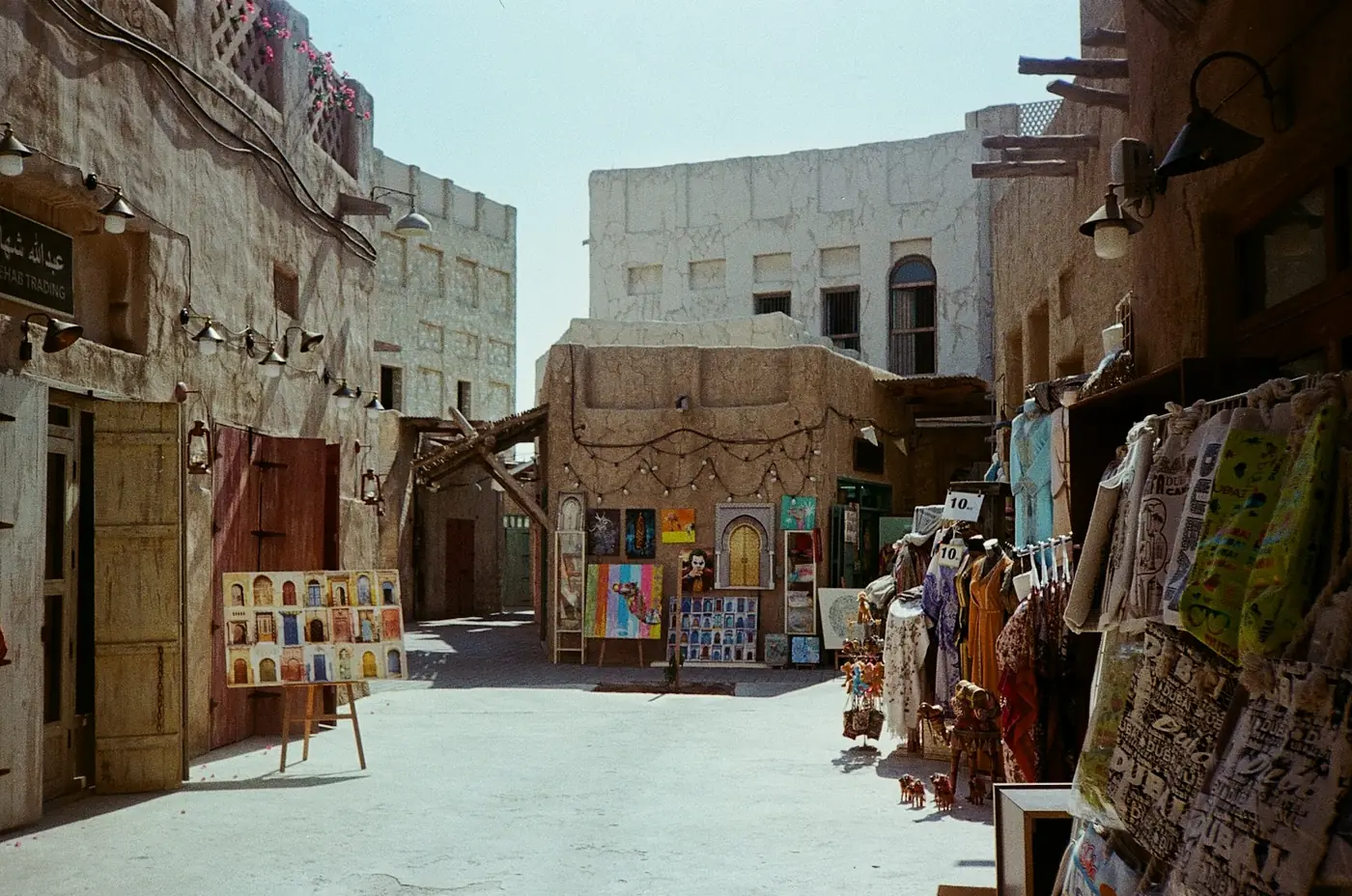
Dress modestly in public places. Shoulders and knees covered in malls, souks and public areas is the safe standard, and swimwear belongs at the beach, the pool or the beach club rather than on the walk there.
Alcohol is for licensed venues. Hotels, bars and many restaurants serve it; the street does not, and public intoxication is treated seriously. The rules around personal purchase have been relaxed in recent years and continue to evolve, so check the current position rather than an old blog.
Public displays of affection are best kept low-key.
Photography of people, particularly women and government or military facilities, requires care and consent.
During Ramadan, eating, drinking and smoking in public during daylight hours are restricted, though hotels cater to guests discreetly throughout.
The consistent theme is that Dubai is cosmopolitan and relaxed in atmosphere and conservative in law, and the two coexist perfectly well as long as you know which is which.
Insurance, and why it is not optional here
Requirements attached to particular entry categories have changed more than once, so verify the current position for your own route.
The practical case has nothing to do with the border. Medical treatment for a visitor in the UAE is private and expensive, hospitals expect payment or a guarantee at the point of treatment, and the activities people actually come here for, from desert driving to water sports, sit exactly where policies start adding exclusions. Read what your cover excludes before you rely on it.
Once you are through
The paperwork is the dull part, and the interesting decisions start immediately.
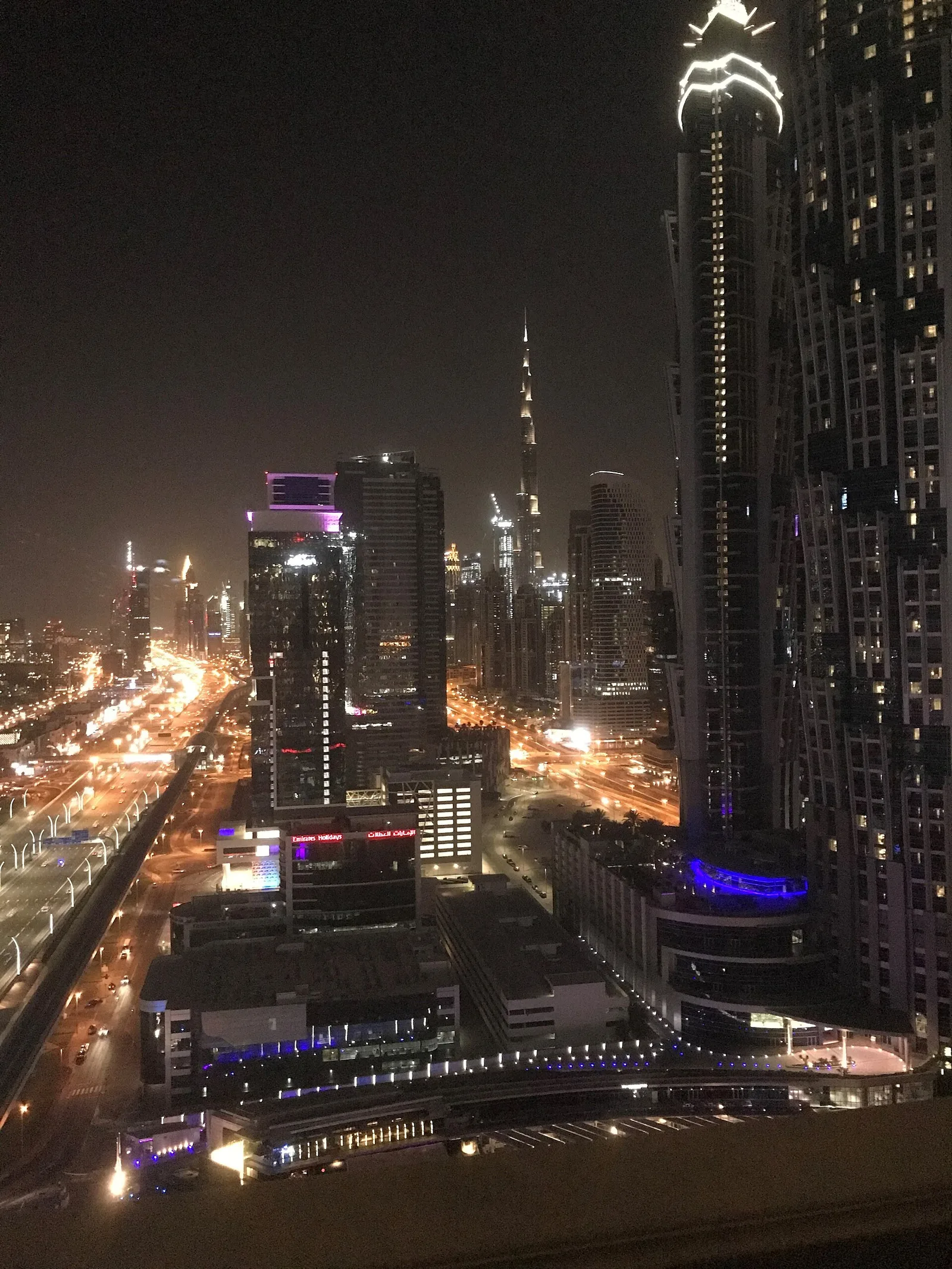
The one thing worth booking before anything else is the observation deck, because the sunset slots at the top of the tower are the ones that sell out furthest ahead and the ones worth having; our Burj Khalifa tickets guide explains the tiers and which hour to aim for.
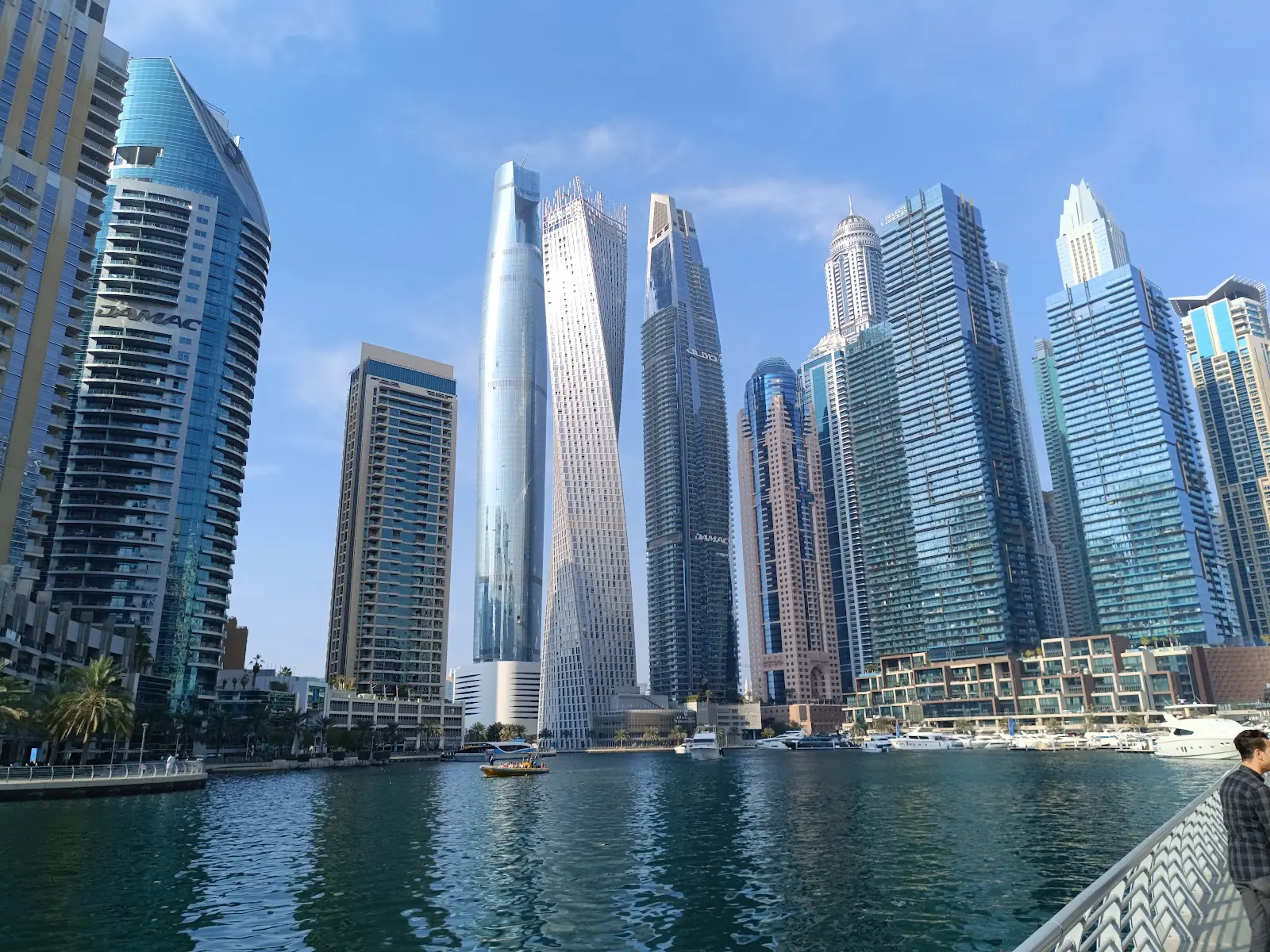
The second is where to spend your evenings, and for a large share of visitors the answer is the waterfront rather than the malls; our Dubai Marina guide covers what is actually there, which is a promenade, a beach and the easiest dining in the city.
The short version
Check your own nationality rather than assuming: many passports are granted entry on arrival with no application, others, including South African, need a visa arranged in advance through a sponsor. Keep six months of passport validity, carry your onward ticket and first address on your phone, and check the controlled-medication list before you pack. Dress modestly in public, keep alcohol to licensed venues, and hold proper insurance. Do all of that and the border is thirty seconds at a smart gate.