Dubai has excellent hospitals, none of them free. There is no reciprocal health arrangement that covers visiting tourists, the private system bills at full rate, and an ambulance plus a couple of nights on a ward reaches a number that changes how you feel about a twenty pound policy you did not read. The complication is that the things people come to Dubai to do are the things basic policies quietly exclude.
What actually matters in the policy
The medical limit, which should be high rather than adequate sounding, and should specifically include hospital admission.
Repatriation, meaning getting you home if you cannot fly commercially, which is the largest single cost that ever arises.
A twenty four hour assistance line with a real number, because hospitals here will contact your insurer directly.
The activity list, which is where most Dubai claims fail.
Belongings and theft, with per item limits that actually cover a phone and a camera.
Excess, which is what you pay before anything else happens.
The exclusions that catch Dubai visitors
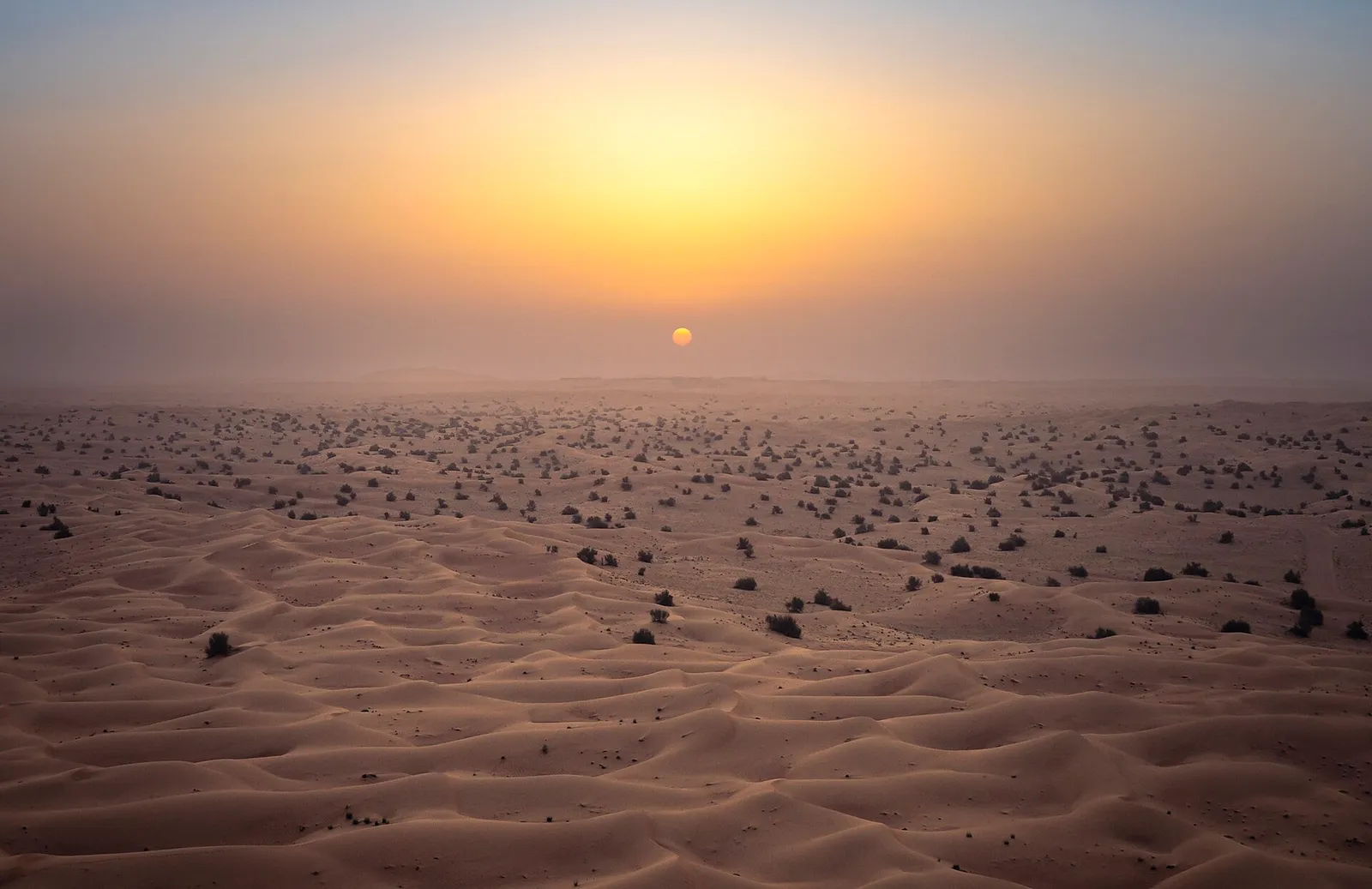
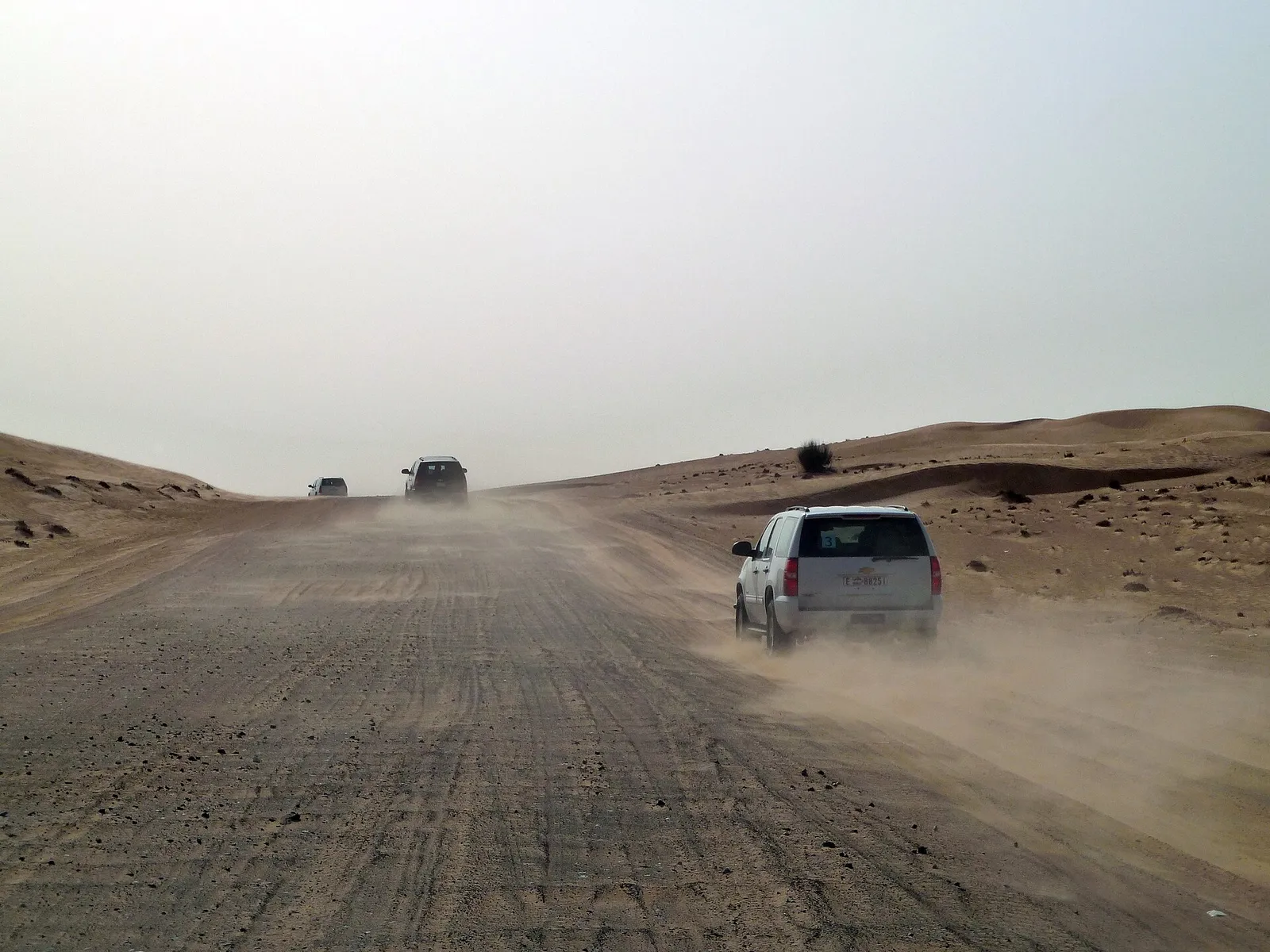
Dune bashing, which is a motorised off road activity and appears on exclusion lists constantly.
Quad bikes and buggies, likewise, and often excluded even as a passenger.
Sandboarding and camel riding, which sound gentle and are still frequently listed.
Jet skis and parasailing on the beach strip.
Scuba diving, usually only covered to a stated depth with a recognised qualification, often as an add on.
Skydiving over the Palm, which is essentially never covered as standard.
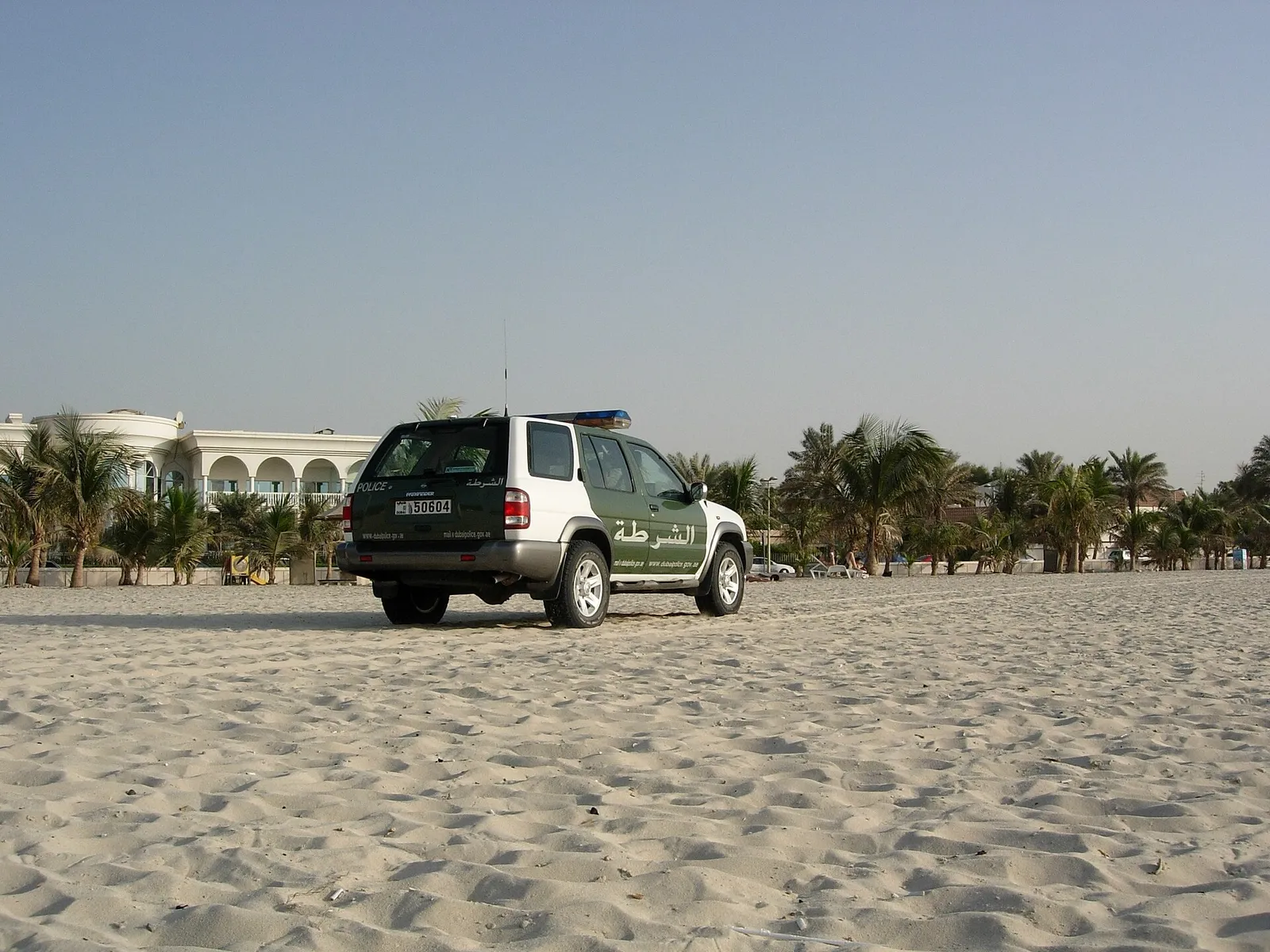
Driving, which some policies restrict, and which in any case does not cover the vehicle itself.
The health side
Everything is billed, including the ambulance, and hospitals ask about payment or insurance early in the process.
Standards are high in the large private hospitals, several of which are internationally accredited.
Pharmacies are excellent and some open around the clock, and pharmacists advise readily.
Bring prescriptions in English and check the UAE’s current controlled medicines rules before packing, because they are stricter than most countries.
Heat illness is the most common thing that actually happens to visitors, and it is preventable.
Practical notes
Buy at booking, not at departure, because cancellation cover only works from the moment the policy starts.
Annual multi trip policies often work out cheaper than two single trips and carry the same exclusion problem.
Credit card cover exists and is usually thinner than a standalone policy, particularly on medical limits and activities.
Declare pre existing conditions honestly, since an undeclared condition is the second most common reason a claim fails here.
Photograph the policy and store it where you can reach it without your bag.
Where this fits in a Dubai trip
Insurance is a booking day task rather than a departure day one.
For the numbers to call and how the emergency system actually works here, our guide to emergency numbers in Dubai covers the practical side.
For everything else a first visit needs to know, from costs to customs, our first time guide to Dubai covers the ground.
And because the desert trip is the single most commonly excluded activity people book, our comparison of morning and evening desert safaris covers what you are actually signing up for.
The short version
Buy a policy with a high medical limit, repatriation and a real assistance line, and buy it when you book rather than when you fly. Write down every activity you intend to do and find each one in the policy wording, because dune bashing, quad bikes, diving and skydiving are excluded far more often than travellers expect. Understand that your travel policy covers you and not the hire car. Declare pre existing conditions. And keep the policy, the emergency number and a passport photograph somewhere you can reach without your luggage.