Dubai is one of the safest cities a visitor can walk around at night, and it is also a place where the rules are stricter than most people expect and where a hospital visit is an invoice. Both of those facts are manageable if you spend five minutes on them before you fly. Here are the numbers, the system behind them, and the things that actually catch travellers out.
The numbers to save
| Service | Number | Use it for |
|---|---|---|
| Police, emergency | 999 | Immediate danger, crime, accident |
| Ambulance | 998 | Medical emergency, injury |
| Fire | 997 | Fire, gas, being trapped |
| Police, non emergency | 901 | Lost property, routine reports |
All of them work around the clock from any phone, including a foreign SIM on roaming, with no prefix and no local card. Call handlers speak English.
How the response works
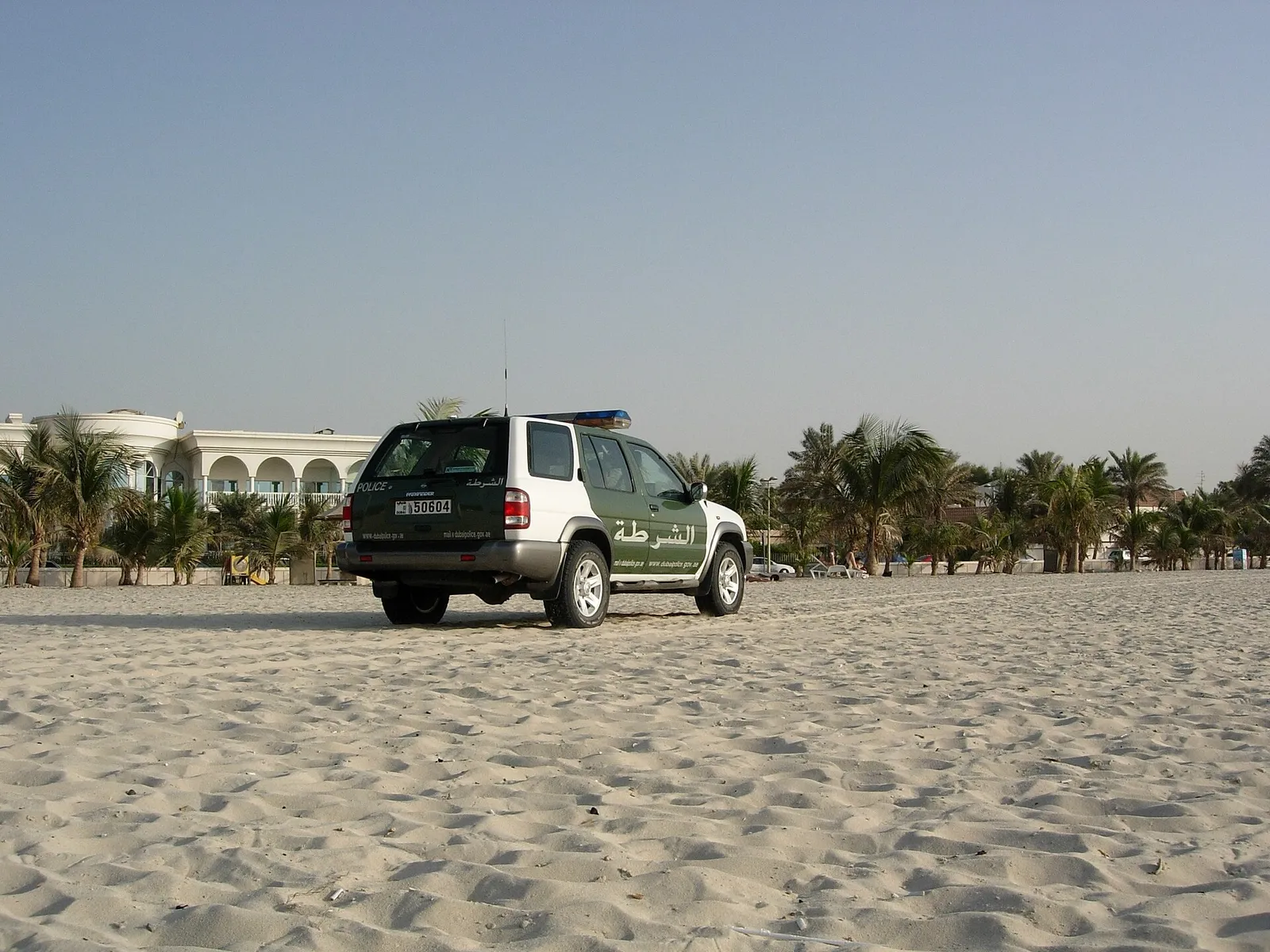
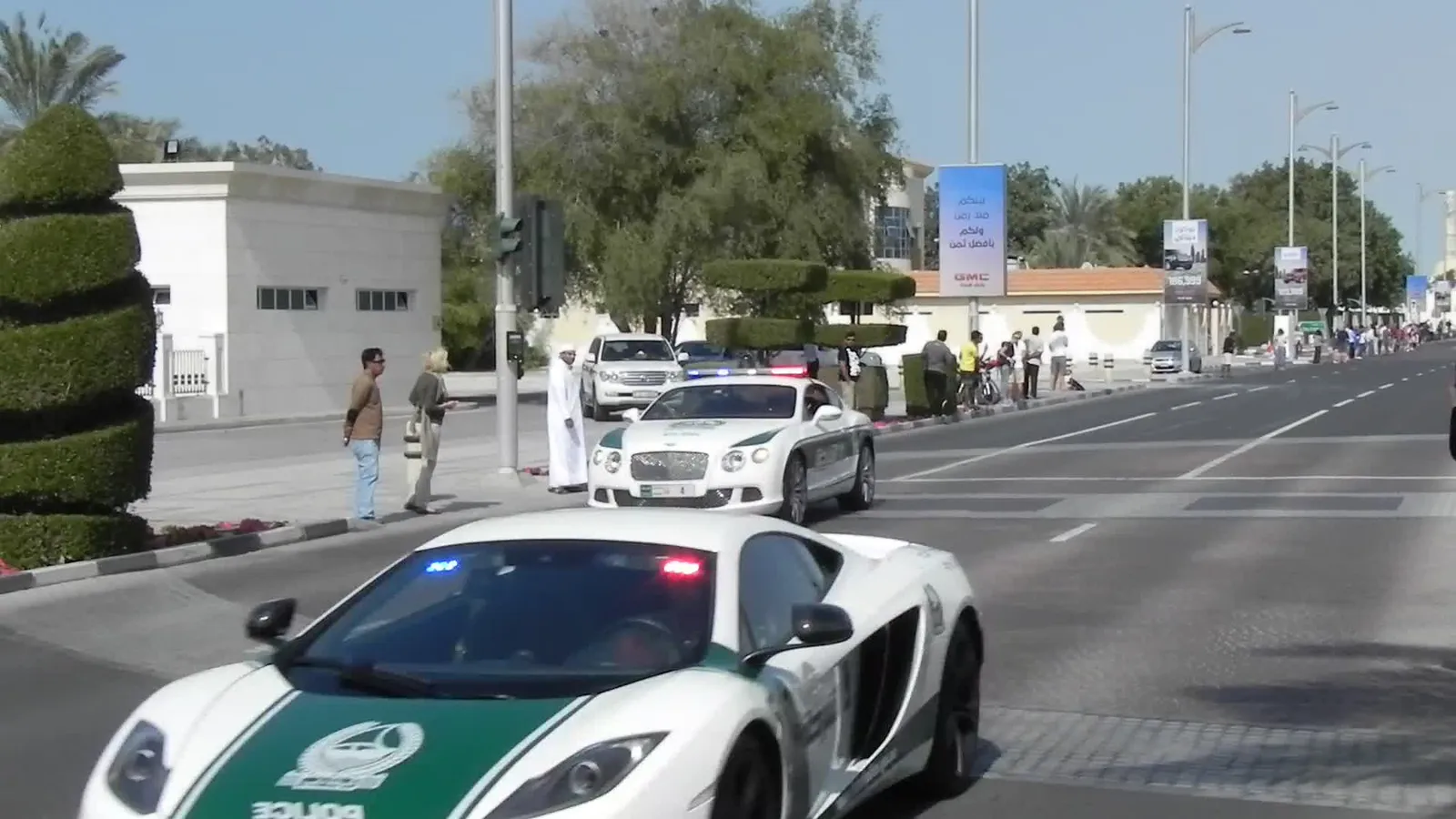
It is fast. Dubai Police are well resourced and the city is heavily covered by cameras, and response times are short by international standards.
You will be treated professionally as a visitor who speaks no Arabic. That is the normal experience.
Ambulances are modern and the service is efficient, and it is charged.
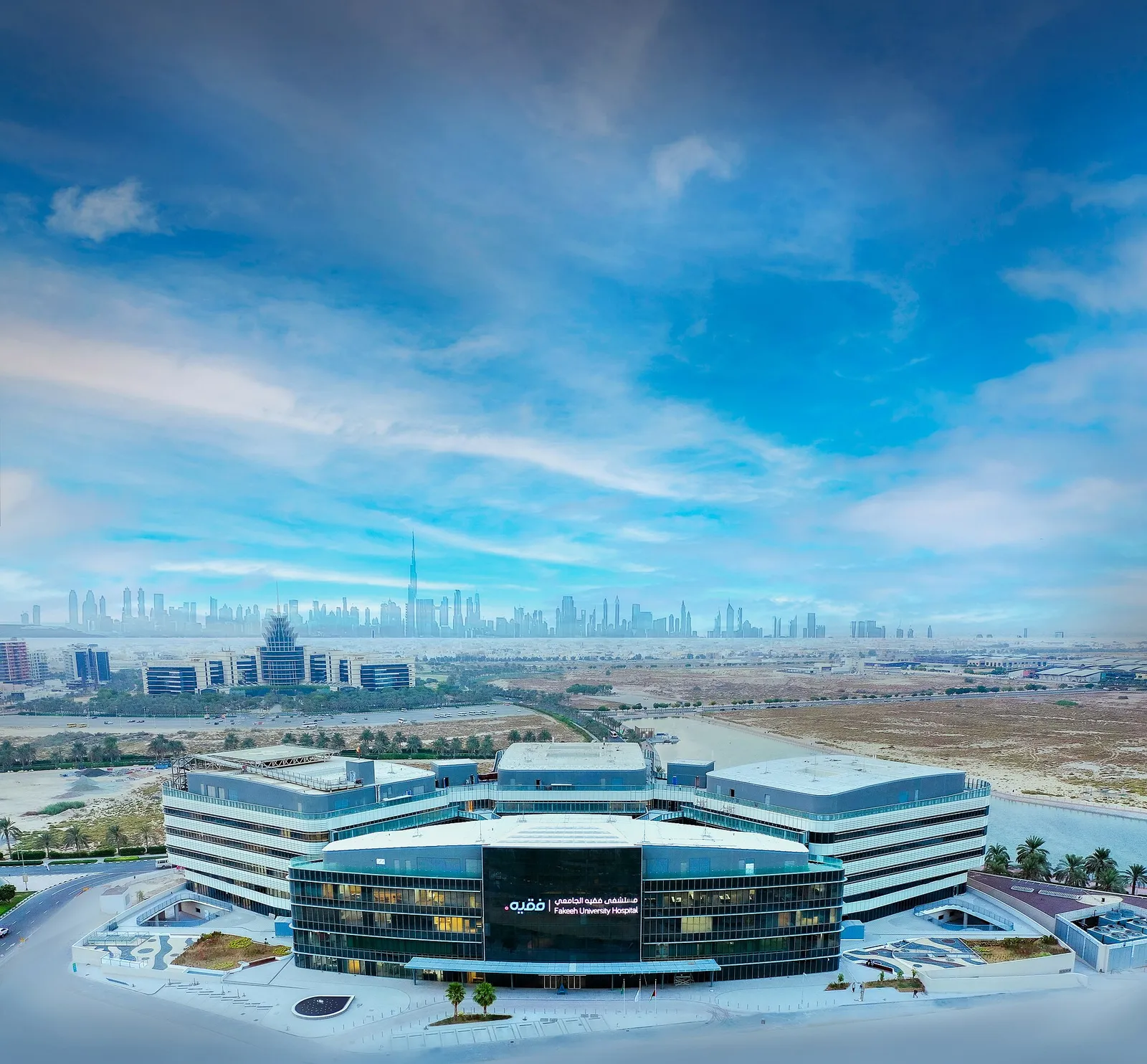
Hospitals are excellent and private, with several large international standard facilities. They will ask about insurance or payment early.
Keep 901 for the non urgent things, which keeps 999 clear and gets you to the right desk faster anyway.
Health, pharmacies and medicines
Pharmacies are plentiful, many open very long hours and some around the clock, and pharmacists are qualified and used to advising visitors.
Bring a prescription in English for anything you take regularly, in its original packaging.
Controlled substances are a real issue. The UAE restricts a longer list than most countries, including some codeine based painkillers, certain sleep and anxiety medicines and some cannabidiol products, and the penalties are serious rather than administrative.
Check the current official list from the UAE authorities before you pack, because it changes and no travel article is a safe substitute.
Heat is the most common medical problem visitors actually have, and it is entirely preventable with water and shade.
The laws that catch visitors out
Alcohol is legal in licensed venues and hotels and the rules around drinking in public and being drunk in public are strictly enforced.
Zero tolerance drink driving. There is no permissible level, and the consequences are severe.
Public behaviour standards apply: swearing, rude gestures and public arguments can lead to a complaint and a real legal process.
Photographing people without consent, especially women and children, and photographing government or military sites, causes genuine problems.
Drugs carry severe penalties, including for trace amounts, and this is enforced at the border.
Respect the rules during Ramadan regarding eating and drinking in public during daylight, which are relaxed for visitors in many venues but still exist.
Where this fits in a Dubai trip
This is a ten minute preparation, and then you forget about it.
For the groundwork of a first visit, including what to expect from the city and how it works day to day, our first time guide to Dubai covers the basics.
For what your policy needs to cover here, and the specific exclusions that catch people, our guide to travel insurance for Dubai covers the detail.
And because a hire car is where a lot of visitors first meet the enforcement culture, our guide to renting a car in Dubai covers fines, speed cameras and the deposit.
The short version
Save 999 for police, 998 for ambulance, 997 for fire and 901 for anything non urgent, before you fly. Arrange working data for the moment you land, because the phone is how everything here is reached. Carry travel insurance with real medical cover and save the insurer’s emergency line beside the local ones. Bring prescriptions in English and check the UAE’s current controlled medicines list before packing. And take the public behaviour and drink driving rules seriously, because enforcement here is not a formality.