The first time I landed in Dubai I made the classic mistake: I tried to see everything in one day and ended up seeing almost nothing properly, just a blur of taxis and air conditioning. The second time I slowed down and split the city into what it actually is, three very different worlds, and that is the plan I am handing you here. This three days in Dubai itinerary is built around one simple idea: give each half of the day one clear anchor, build in the travel time honestly, and leave room to sit down and eat something.
Dubai rewards a bit of rhythm. Mornings are for the outdoor things before the heat climbs, late afternoons and evenings are when the city comes alive. Follow the flow below and you will cover the glittering new Dubai, the old trading city on the creek, the desert and a beach, without feeling like you spent your holiday in the back of a car.
Before you start: how this plan works
The three days are deliberately themed. Day one is Downtown and the modern skyline. Day two is old Dubai, Deira and Bur Dubai around the creek. Day three splits between a desert safari in the late afternoon and a relaxed beach morning, which you can flip depending on when your safari is booked.
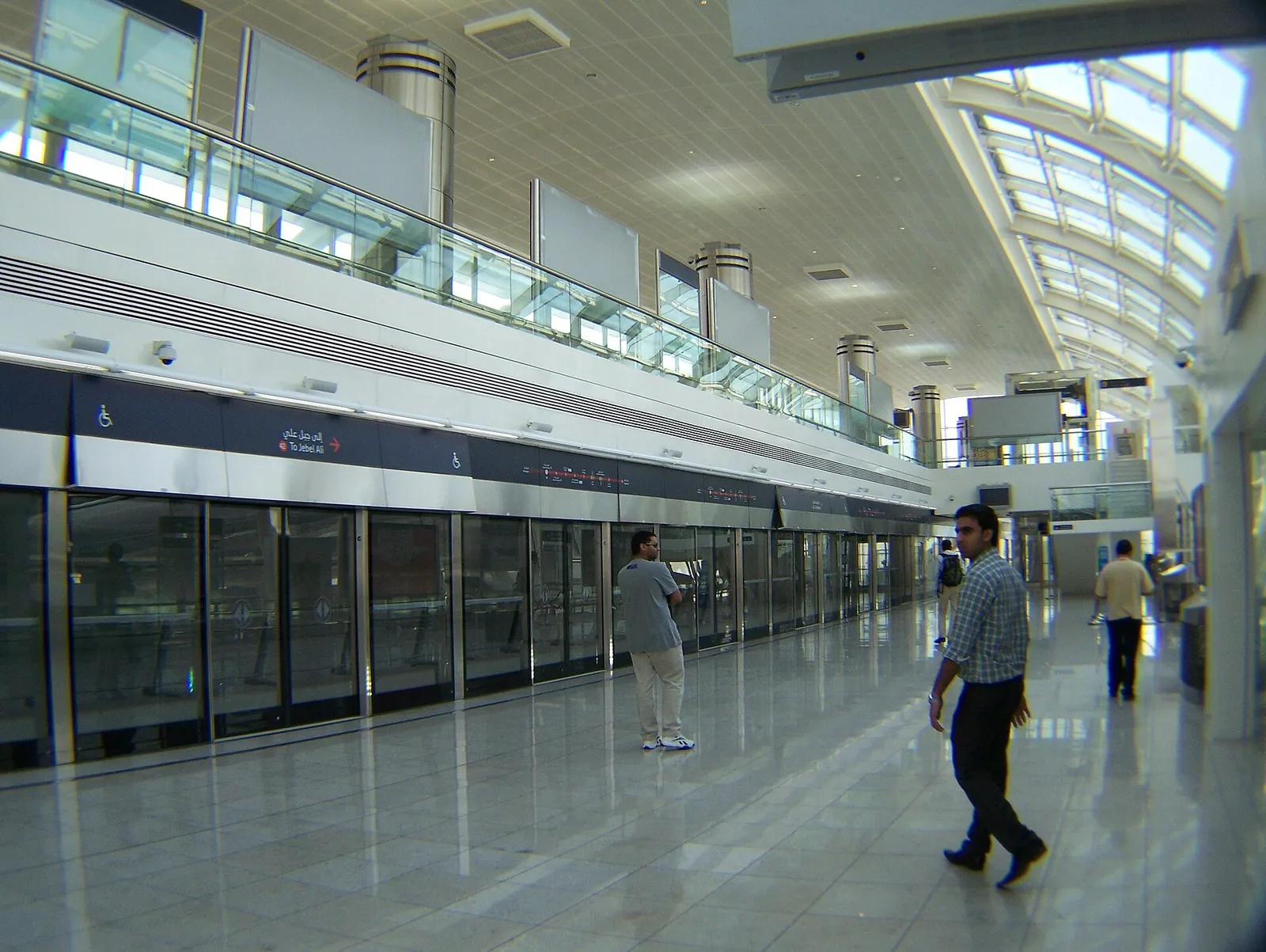
Getting around is easy enough. The Metro is clean, cheap and air-conditioned, and a single fare across zones costs only a few dirhams on a Nol card, which you buy at any station. Taxis are metered, reliable and reasonable by Western standards, and ride-hailing apps work well too. The one thing to respect is distance: Dubai is spread out, and hopping from Downtown to the Marina can easily take 30 to 40 minutes, so I have grouped each day geographically to keep transfers short.
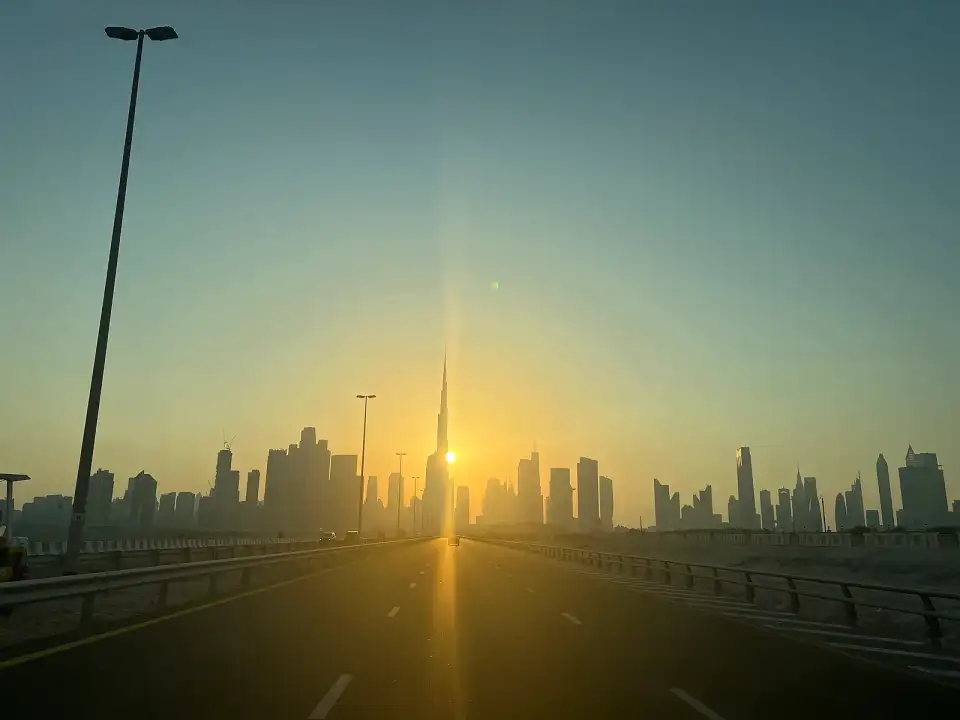
Day one: Downtown Dubai and the Burj Khalifa
Morning: Dubai Mall and the aquarium
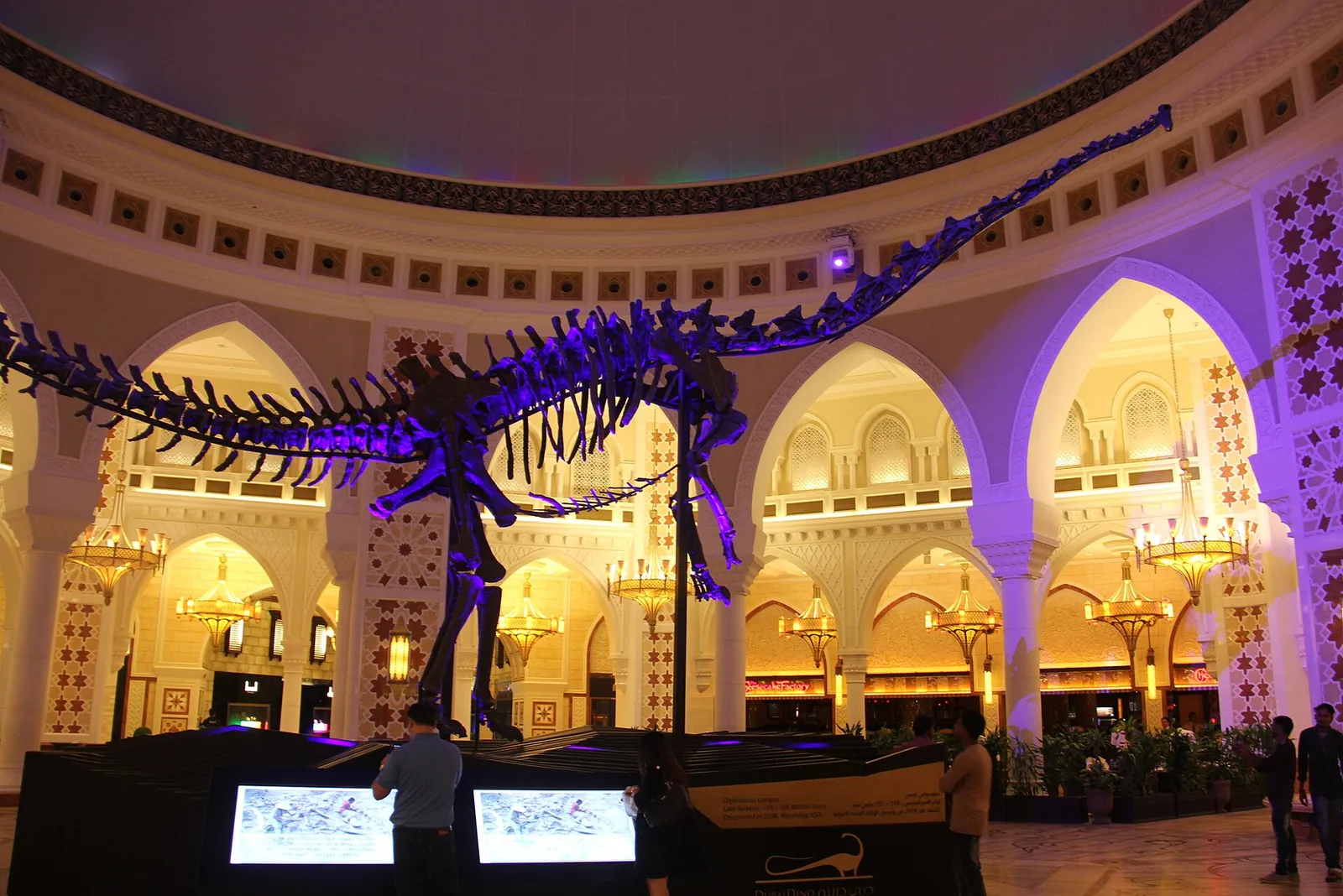
Start where the modern city shows off. Dubai Mall opens mid-morning, and going early means you beat both the heat and the crowds. It is far more than shops: there is a huge aquarium with a walk-through tunnel, an indoor waterfall and enough cafes to fuel the whole day. Give it two hours, no more, or the mall will swallow your entire morning.
Midday: up the Burj Khalifa
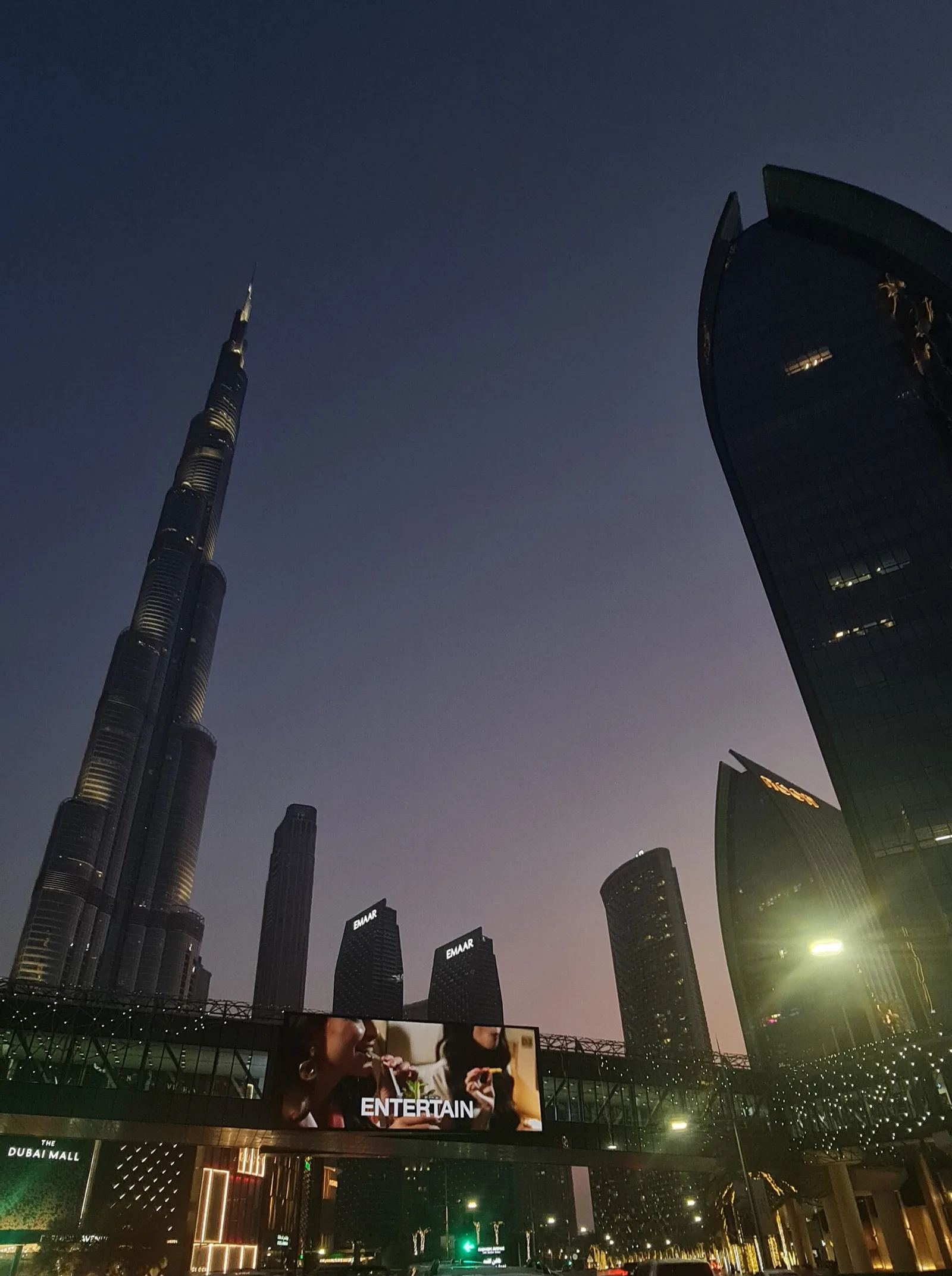
The Burj Khalifa is the anchor of day one, and the world’s tallest building genuinely delivers. Tickets to the At the Top observation deck on levels 124 and 125 start at around 170 AED if you book a standard daytime slot in advance, and climb well above that for the higher 148th floor or for sunset times. Booking online ahead of your visit is essential; walk-up tickets are pricier and often sold out. For the best light, aim for a slot about an hour before sunset if you can get one.
Evening: the Dubai Fountain and Souk Al Bahar
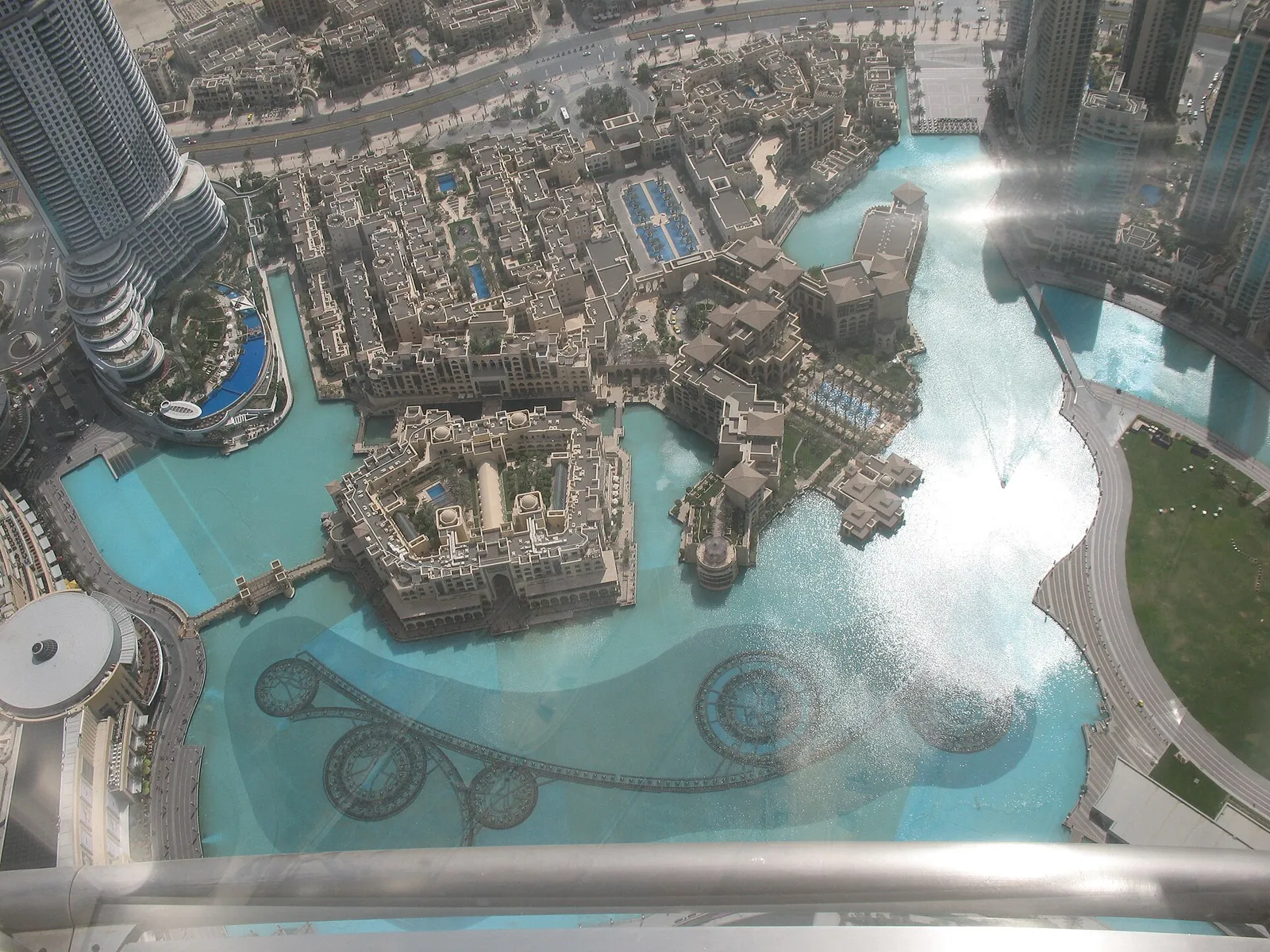
As the sun drops, walk out to the boardwalk around the man-made lake at the foot of the tower. The Dubai Fountain show runs every 30 minutes in the evening and it is free, one of the best no-cost experiences in the city. Grab dinner in Souk Al Bahar or on a terrace facing the water, and watch the fountains dance against the lit-up tower. It is touristy, and it is also wonderful.
Day two: old Dubai and the creek souks
Morning: crossing the creek by abra
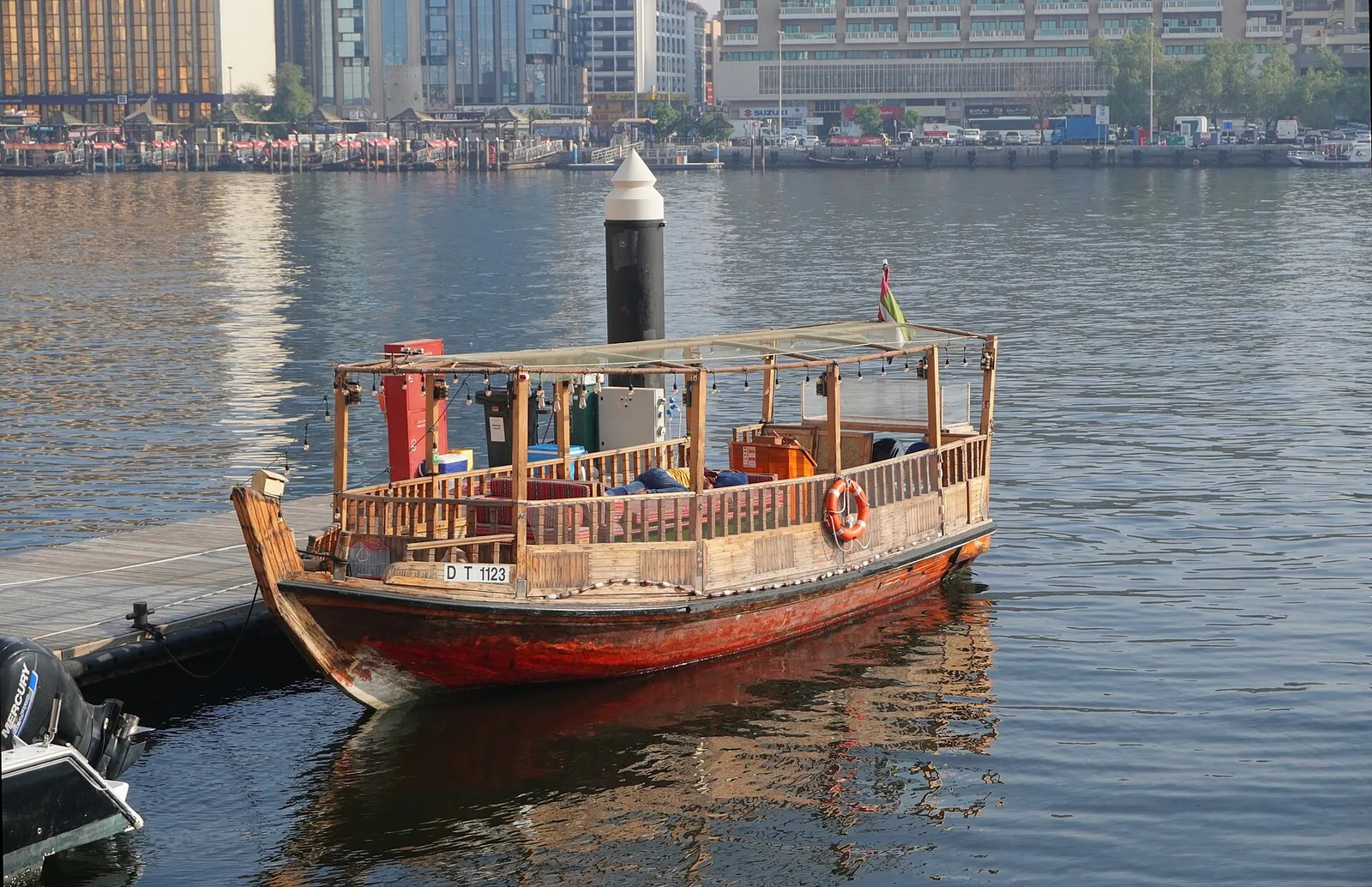
Day two is my favourite, because this is the Dubai that existed long before the skyscrapers. Head to the creek, the saltwater inlet that split the old city into Deira on one side and Bur Dubai on the other. The classic way across is the abra, a small wooden water taxi that has run these waters for generations. A crossing costs just 1 AED, paid in cash to the boatman, and the few minutes on the water with the wind and the boat traffic are worth far more than that.
Late morning: the gold and spice souks
On the Deira side you land near the souks. The Gold Souk is a dizzying run of shop windows heavy with jewellery, and even if you buy nothing it is a spectacle. Next to it the Spice Souk fills the lanes with the smell of saffron, cardamom, dried lemons and frankincense. Haggling is expected here, so smile, take your time, and never accept the first price. Walk away and the price usually follows you.
Afternoon: Al Fahidi and a heritage lunch
Back across the creek, the Al Fahidi Historical Neighbourhood is a restored quarter of wind-tower houses, narrow shaded lanes and small galleries. It is calm, atmospheric and easy to explore on foot. Have lunch at a heritage cafe here and try a proper Emirati breakfast plate or a cardamom-scented coffee with dates. If you have time, the nearby Dubai Museum in Al Fahidi Fort tells the story of how this fishing and pearling town became what it is.
Evening: back to the water
End the day with a traditional dinner cruise on the creek or a walk along the newer Dubai Water Canal. After a day of dust and gold, the quiet of the water at night is a nice contrast to day one’s glitz.
Day three: desert evening and beach morning
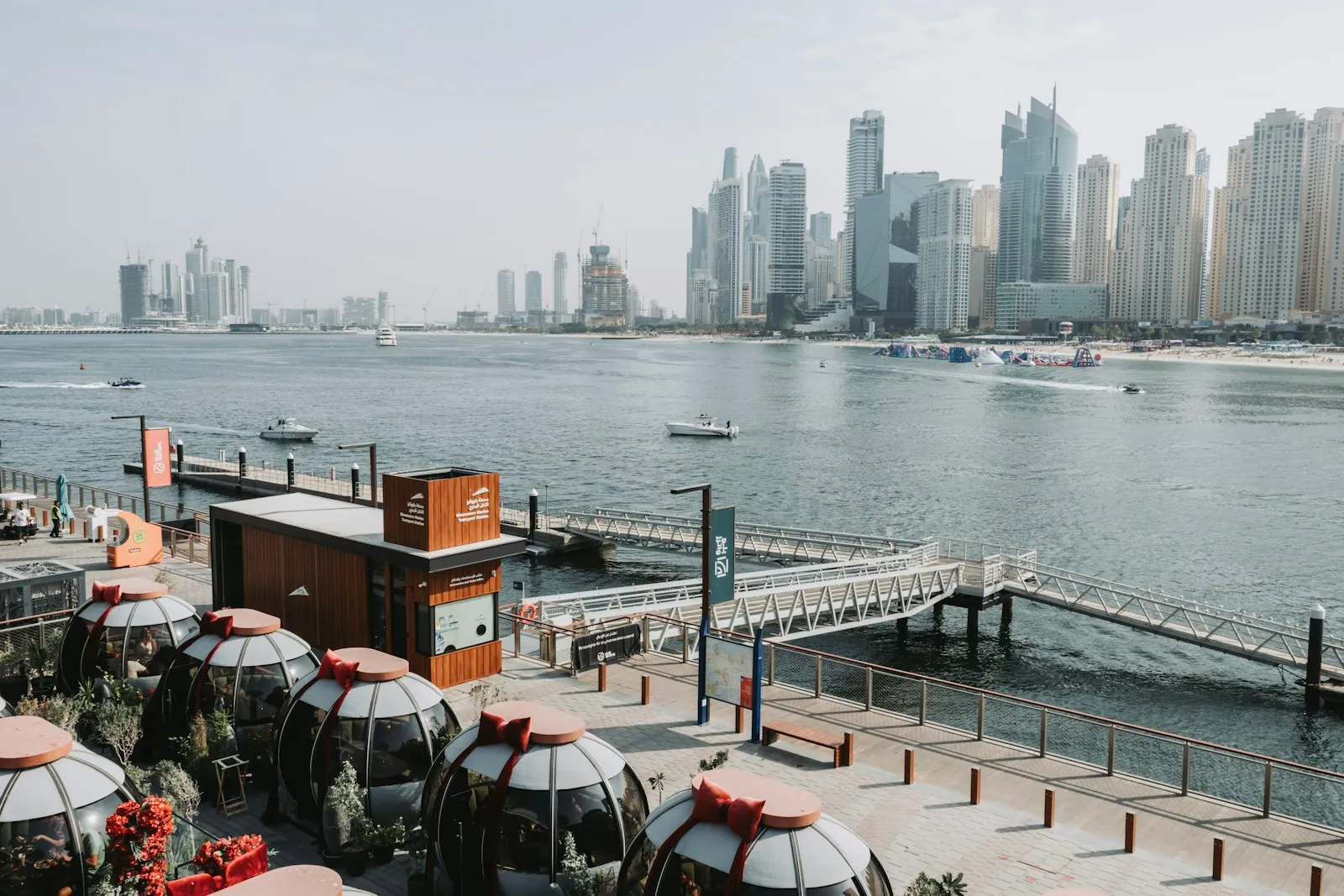
Morning: the beach and the Marina
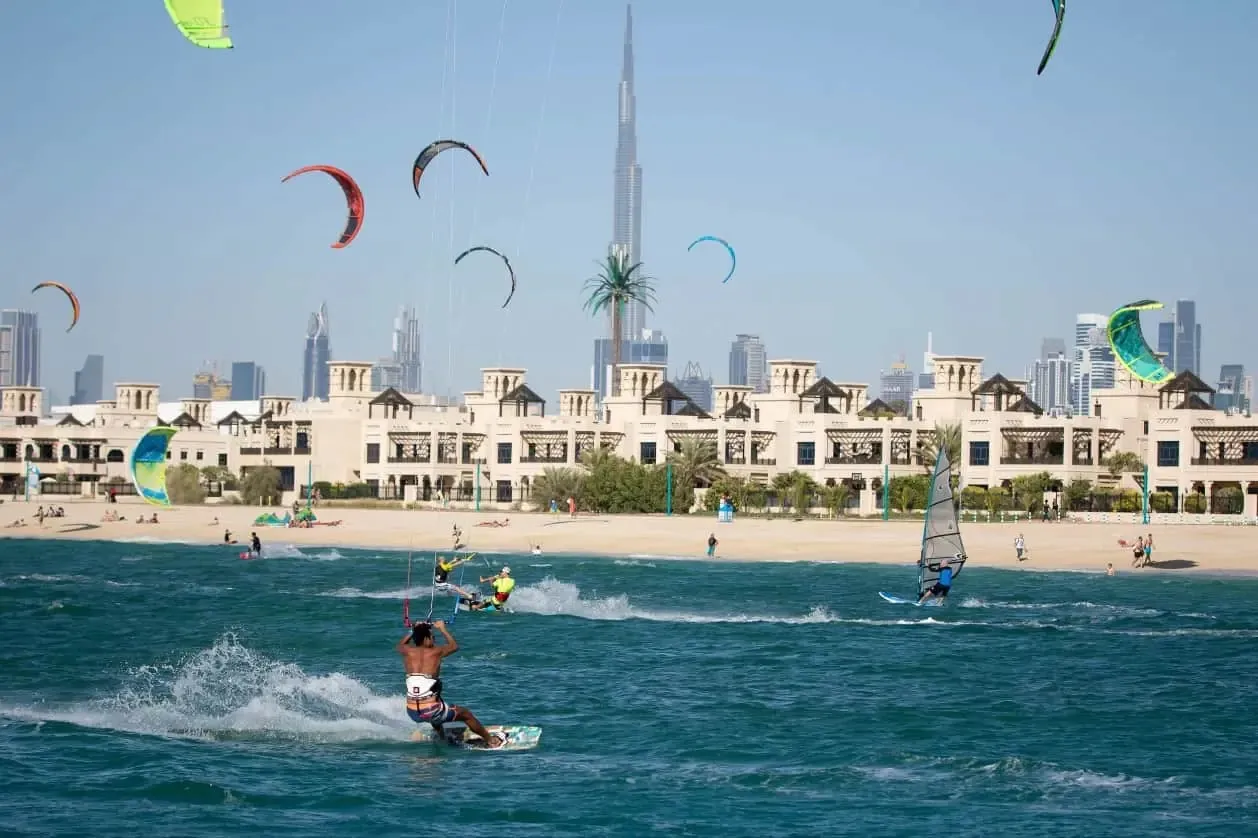
Open day three slowly. Head to a public beach such as JBR (Jumeirah Beach Residence) or Kite Beach, both of which have soft sand, clean water and cafes right behind the beach. The morning sea is calm and the light is soft. Kite Beach in particular has a relaxed, sporty feel with paddleboards and a good running track. Afterwards, wander the JBR Walk or the Marina promenade for a coffee.
Midday: Palm Jumeirah
With a car or taxi you can loop out onto Palm Jumeirah, the palm-shaped island, for the view back at the coastline. The monorail runs the length of the palm if you would rather not drive. This is a good spot for a long, lazy lunch before the afternoon desert trip.
Late afternoon and evening: the desert safari
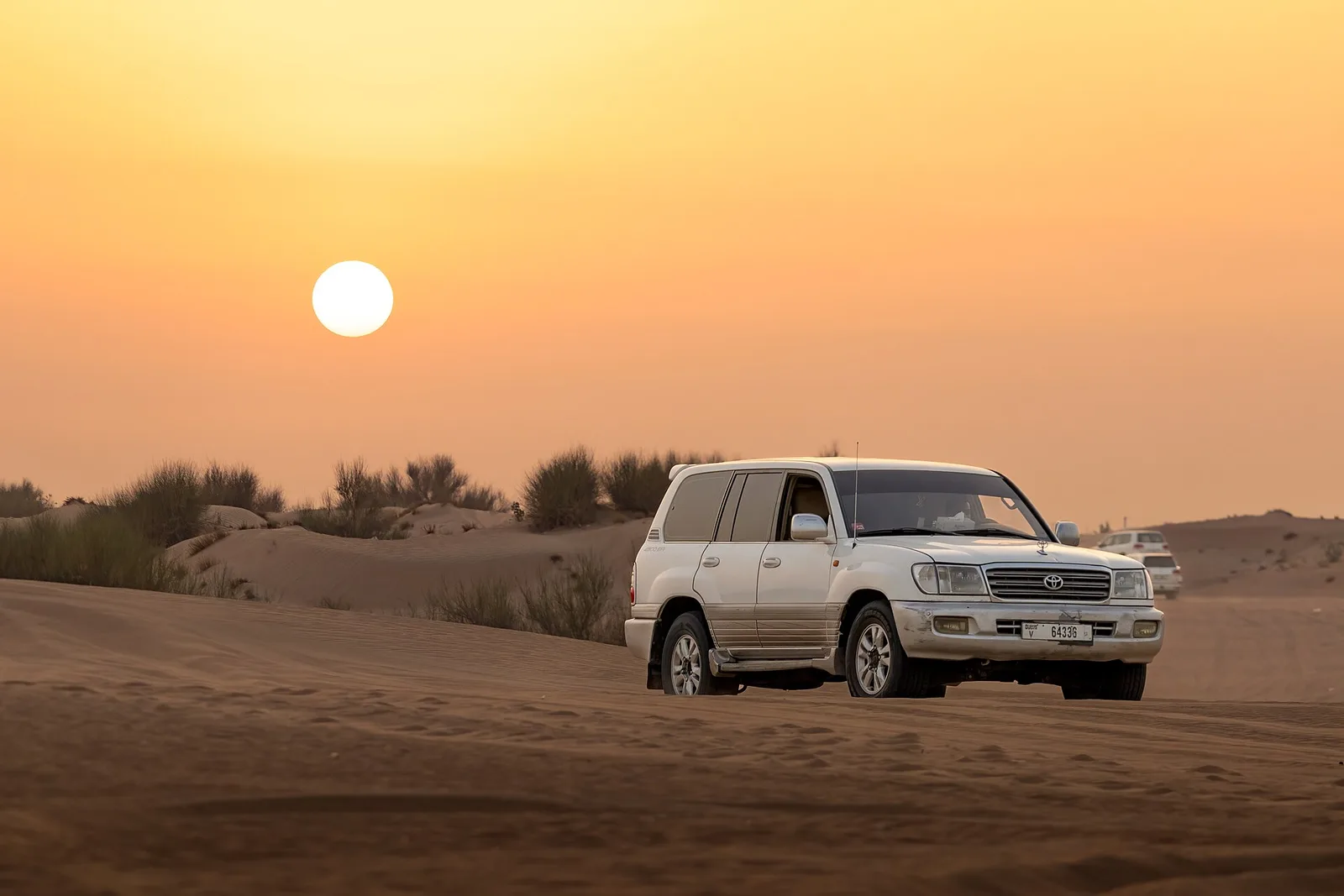
Leave the desert to one of your later evenings, because a good safari finishes under the stars. Do not make it your last night, though: safaris get cancelled in bad weather with no room to rebook, and you will come back with sand in everything the evening before a flight. Most tours pick you up from your hotel in the late afternoon, around 3pm to 4pm, drive about 45 minutes to an hour into the dunes, and combine dune-bashing in a four-wheel drive with a camp dinner, sandboarding and sometimes a short camel ride. Prices vary a lot by operator and inclusions, so compare what is actually included before booking. It is a long evening, so you will get back to your hotel late; plan a soft start the next morning.
Getting around: how much time between areas
Here is the honest picture of travel times, so you can trust the plan. These are typical journeys outside of rush hour; add a good chunk in the morning and evening peaks.
| Route | Best option | Rough time |
|---|---|---|
| Downtown to the creek (Deira) | Metro or taxi | 15 to 25 minutes |
| Creek to Al Fahidi | Short walk or abra | 5 to 15 minutes |
| Downtown to Dubai Marina / JBR | Metro or taxi | 30 to 40 minutes |
| Marina to Palm Jumeirah | Taxi or monorail | 15 to 25 minutes |
| City to the desert camps | Safari transfer | 45 to 60 minutes |
Where to base yourself
For a first trip this short, staying in or near Downtown makes the most sense: you are central, on the Metro, and walking distance from the Burj Khalifa and the fountains. If you want beach access, base yourself around the Marina or JBR instead and accept slightly longer trips into town. Deira offers the cheapest rooms and the most old-city character, but it is less polished. Wherever you stay, being near a Metro station will save you both money and time.
What to skip on a first three days
Honesty time. On a trip this short I would skip the very long buffet brunches that eat a whole afternoon, and I would not try to squeeze in far-flung parks or the Abu Dhabi day trip, which really needs its own full day. The indoor ski slope is fun but a time sink. And you do not need to shop; the souks give you the experience without the credit-card damage.
What to wear and simple etiquette
Dubai is relaxed but it is still a Muslim country, and a little respect goes a long way. In malls, souks and the old town, cover shoulders and knees. Swimwear is fine at the beach and pool but not in the street. Public displays of affection are best kept low-key. During Ramadan, avoid eating and drinking in public in daylight out of courtesy. None of this is heavy going; it is just good manners.
A realistic budget note
Dubai can be as cheap or as expensive as you make it. The abra costs 1 AED, the fountain show is free, and a shawarma from a good local spot runs a few dirhams. At the other end, a rooftop cocktail or a fine-dining dinner will land you a serious bill. Budget your splurges deliberately: I would put the money into the Burj Khalifa ticket and a decent desert safari, and keep meals casual and local in between.
What to swap in, and what to swap out
Three days is tight, and two of the fixtures above are worth trading depending on who you are travelling with.
Swap an afternoon for a beach, which costs nothing and is the thing most people wish they had done more of; our guide to the best beaches in Dubai covers which stretch suits which kind of day.
Swap a dinner for brunch, if your dates include the weekend and you want the local institution rather than another restaurant; our Friday brunch guide covers the formats and the booking.
And swap the middle of any day for a mall, not as shopping but as air conditioning with an aquarium and an ice rink in it; our shopping malls guide covers which ones are attractions in their own right.
Bringing it all together
Three days in Dubai is genuinely enough to feel like you have met the city rather than just glimpsed it, as long as you resist the urge to cram. New Dubai on day one, old Dubai on day two, and desert plus beach on day three gives you the full range: the record-breaking towers, the trading roots on the creek, the silence of the dunes and the ease of the coast, with the travel times built in so nothing feels rushed.
If you would rather follow the same three days as a stop-by-stop plan than as an explanation, the first-timer version of this route lays out each day as an ordered list of stops with the eating breaks already slotted in.
If you had to drop one half-day from this plan to slow things down, which one would you cut, and what would you do with the extra time instead? Tell me in the comments.
The city has a reputation for expense that only half survives contact with a plan. Our guide to what Dubai actually costs puts real numbers against a few days here.