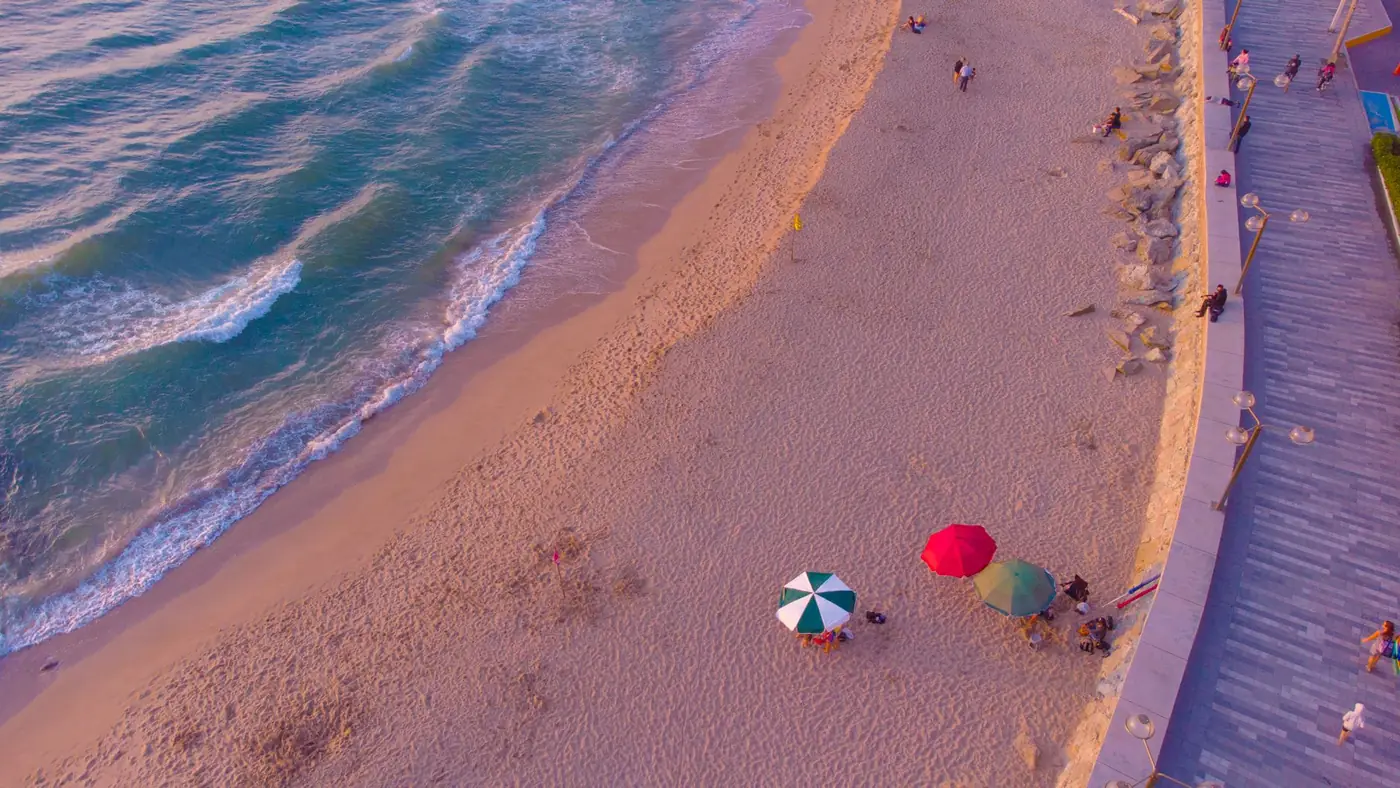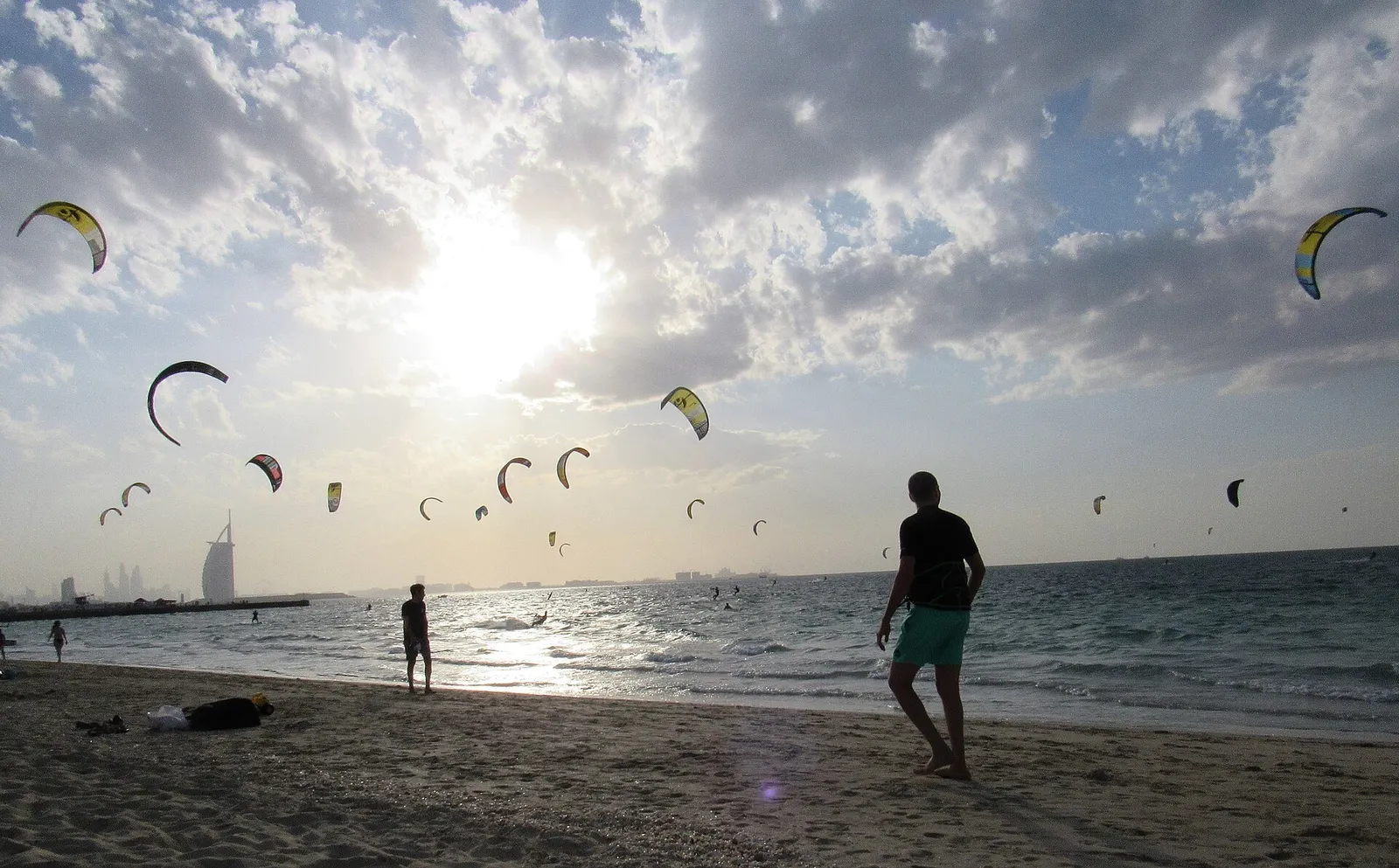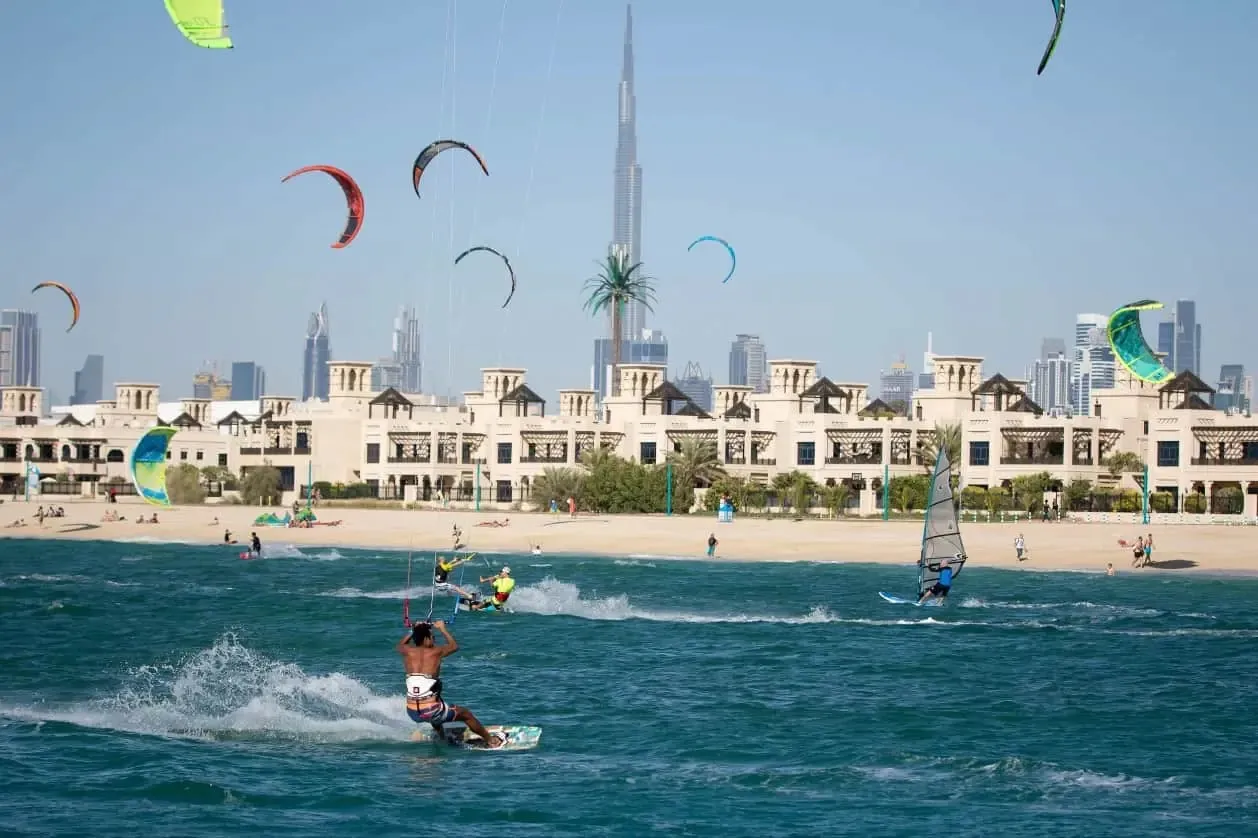
The first time I swam in Dubai it was seven in the morning at Kite Beach, the sand still cool under my feet and the Burj Al Arab sitting out on the water like a folded sail. By nine the sun had turned the whole beach into a hotplate and I understood the single most useful thing about the best beaches in Dubai: timing matters more than location. Get it right and you have soft sand, warm sea and a coffee cart nearby. Get it wrong and you spend an hour looking for shade that does not exist.
Dubai has a long, mostly gentle coastline along the Gulf, and over the years the free public beaches have quietly become excellent, with showers, toilets, lifeguards and running tracks. There are also the hotel beaches, where a day pass buys you a lounger, a pool and a bar. Below is everything I wish someone had told me before my first beach day here.
Are Dubai’s public beaches free, and what facilities do they have?
Yes. Most of the well known public beaches are genuinely free to enter, and the facilities are far better than the word “public” suggests in a lot of countries. You will find clean toilets, cold water showers to rinse off the salt, changing areas, lifeguard towers with flag systems, and long stretches of paved promenade for walking and cycling.
What you pay for is the extras. Sunbeds and umbrellas from private operators cost roughly 50 to 150 AED for the day depending on the beach, and parking is usually paid, either through meters or a parking app. Food and drink come from cafes and kiosks along the back of the beach rather than beach service, so bring water and expect to walk for your iced coffee.
The flag system, and why to check it
Green means calm, yellow means caution, red means stay out. In winter the Gulf can turn choppy for a day or two, and lifeguards do close the water. Take it seriously, currents here are stronger than the flat blue photos suggest.
Which are the best free public beaches in Dubai?
Kite Beach
Kite Beach in Jumeirah is my default recommendation for a first visitor. It is lively, well organised and has the best view of the Burj Al Arab from the sand. There is a long running track behind it, plenty of casual food including the famous local burger stalls, watersports rental, and a proper family atmosphere. It gets busy at weekends, so arrive early.
Jumeirah Public Beach and La Mer
The stretch known simply as Jumeirah Beach is broad and easygoing. Nearby, the La Mer area combines beach with a walkable strip of restaurants and shops, which makes it a good choice if you want to swim and then sit somewhere with a menu and air conditioning.
JBR Beach (The Beach at JBR)
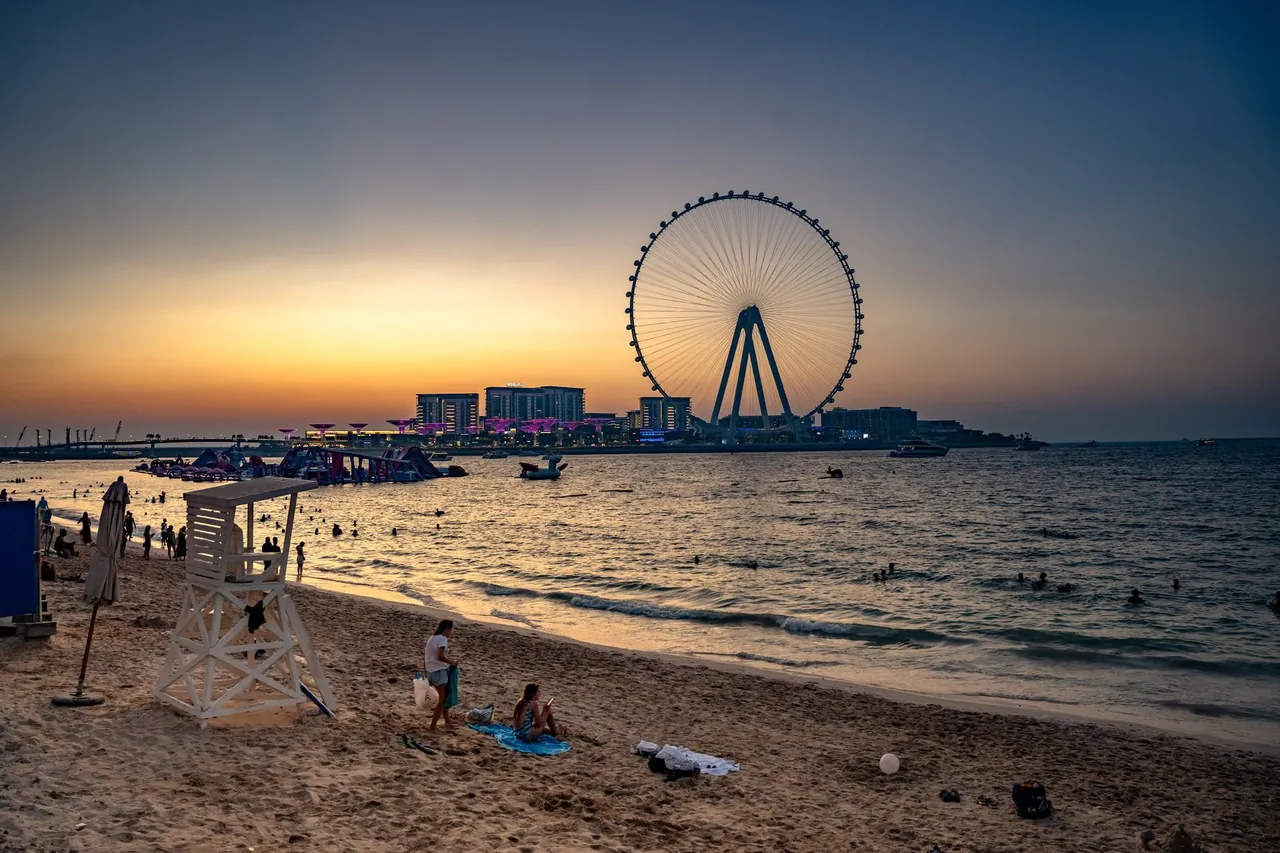
JBR is the busiest, most urban beach, backed by towers, an open air mall and a promenade full of cafes. The sea here is calm and the people watching is excellent. If you like your beach with plenty going on around it, this is the one.
Al Mamzar Beach Park
Out towards the Sharjah side, Al Mamzar is a landscaped beach park with lawns, several sheltered swimming lagoons and a small entrance fee. It is quieter, greener and one of the best options if you want shade from actual trees rather than a rented umbrella.
Which Dubai beaches have running tracks and night lighting?
This is one of the smartest things Dubai has done with its coastline. Because the daytime heat is brutal for much of the year, several beaches were fitted with lit running and cycling tracks so people can exercise after dark.
Kite Beach has a well known soft track that runs the length of the sand. Umm Suqeim Beach, right beside it, is famous for its floodlit night swimming zone, where the lifeguarded water stays open and illuminated into the evening, which is genuinely lovely in summer when daytime swimming is unpleasant. The JBR and La Mer promenades are also well lit for evening walks and jogs.
What is the water temperature in Dubai through the year?
The Gulf is warm almost all year, which is both the appeal and, in summer, the problem.
In the cooler months, roughly December to February, the sea sits around a fresh but very swimmable 21 to 23 degrees Celsius. This is the peak beach season, with comfortable air temperatures and calm, clear water. Spring and autumn are close to perfect, with the water climbing through the mid twenties.
In high summer, from June to September, the sea can reach 32 to 34 degrees Celsius, which sounds pleasant but offers no cooling relief at all, and the combination with high humidity makes daytime beach visits genuinely draining. These are approximate figures and they vary year to year, so treat them as a guide rather than a promise.
| Season | Sea temperature (approx) | What it is like |
|---|---|---|
| December to February | 21 to 23 C | Peak season, cool air, calm and clear |
| March to May | 24 to 28 C | Excellent, warming up, fewer crowds |
| June to September | 32 to 34 C | Very hot, best at dawn or after dark |
| October to November | 28 to 30 C | Warm and comfortable, great value |
Which beaches have the calmest water for young children?
Parents ask me this constantly. The Gulf is generally gentle compared with an ocean, but some beaches are noticeably calmer and better set up for small children.
Al Mamzar Beach Park is my top pick, because its swimming lagoons are partly enclosed and the water stays shallow and still, plus there are lawns and shade for a base camp. JBR Beach has a wide, gently shelving entry and lifeguards, with everything a family needs a few steps away. La Mer is another good family choice thanks to its shallow sections and the food and toilets right behind the sand.
Whatever you choose, remember there is almost no natural shade on most Dubai beaches. Bring a pop up tent or rent an umbrella, and slather on high factor sunscreen even in winter, because the sun is strong here year round.
Want the sea and the sights in one day?Guided Dubai experiences with free cancellation on many optionsCan you use hotel beaches with a day pass?
Yes, and this is one of the best value ideas in the city if you want a resort experience without staying overnight. Many beach hotels sell day passes that give you access to the private beach, the pools, loungers, towels and facilities, and often a portion of the fee is redeemable against food and drink.
Day passes typically range from around 150 AED at simpler properties to 400 AED or more at the flashier resorts on Palm Jumeirah, with beach clubs charging a minimum spend rather than a flat entry. It is worth booking ahead at weekends because popular pools sell out. A relaxed beach club afternoon slots neatly into a longer trip, and if you are still shaping your plans, our three days in Dubai, a complete itinerary shows where a beach day fits alongside the sights.
Public beach or hotel day pass, which should you pick?
Go public if you want to walk, swim, run and spend little. Go for a hotel day pass if you want a pool as well as the sea, guaranteed shade, clean loungers and food service without moving. I do both on a typical trip: free beaches in the mornings, a beach club when I want a proper lazy day.
What should you know about beach etiquette and safety?
Dubai is relaxed on its beaches by regional standards, but it is still a Muslim city and some common sense applies. Standard swimwear is completely fine on the main tourist beaches and at hotels. Away from those, dress more modestly, and topless or nude sunbathing is not permitted anywhere. Public displays of affection are best kept low key.
On safety, respect the flags, do not swim after drinking, and keep an eye on children near the water even when it looks calm. Jellyfish appear occasionally, usually in warmer months, so check the lifeguard notices. Leave valuables locked in the car or at your accommodation rather than unattended on the sand.
When is the best time of year for a Dubai beach holiday?
If your priority is the beach, come between November and April. The air is warm rather than scorching, the sea is comfortable, and you can actually enjoy the middle of the day. This is peak season, so accommodation costs more and the popular beaches fill up, but the experience is worth it.
May and October are shoulder months, still very good and better value. The deep summer, June to September, is when hotels drop their rates hard, and if you are happy to structure your days around dawn swims, shaded pools and evening beach walks, you can have a fine, cheaper holiday. Just go in with realistic expectations about the heat.
Getting to the beaches
The Jumeirah beaches, Kite Beach, Umm Suqeim and JBR are spread along the coast and are easiest to reach by taxi or ride hailing app, which are cheap and plentiful. JBR is walkable from the Dubai Marina area and its tram. If you are driving, use the paid parking apps rather than hunting for a meter, and arrive early on Fridays and Saturdays when spaces vanish.
Pairing the beach with the rest of the day
A beach morning leaves the whole evening free, and the two obvious companions sit at opposite ends of the city.
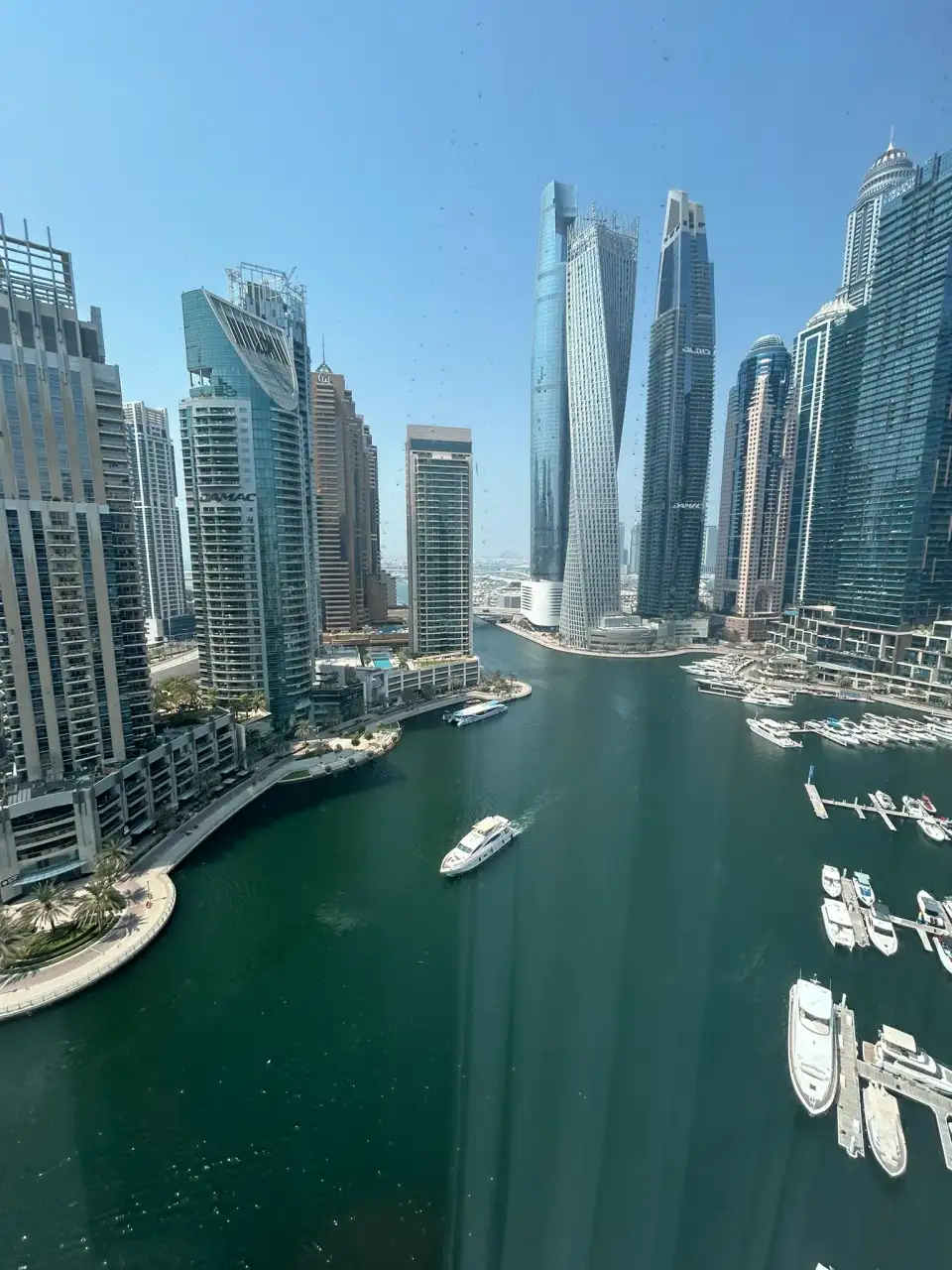
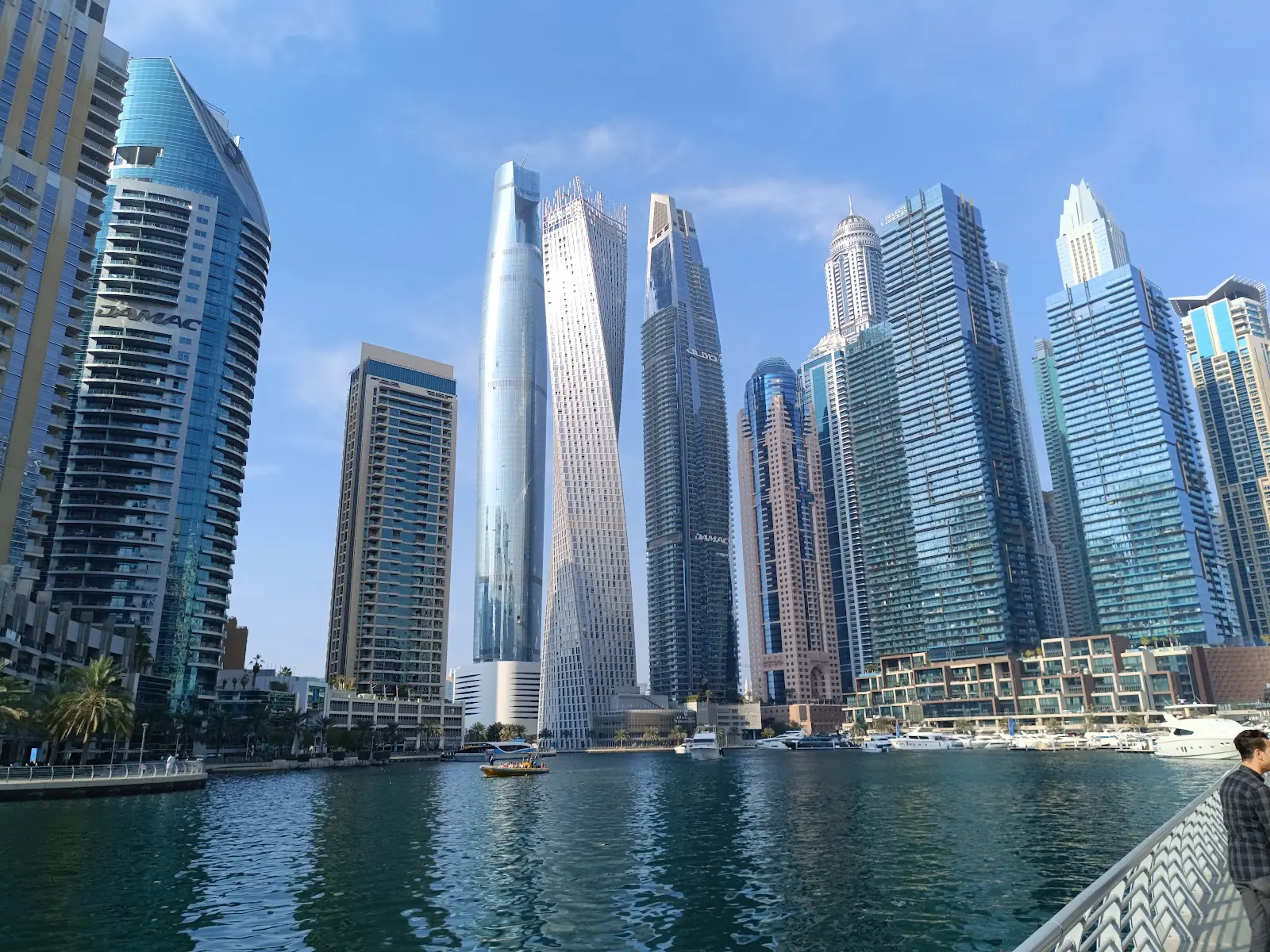
The waterfront is the natural extension: a promenade, restaurants and a walkable strip that turns a swim into a full day without a taxi in between; our Dubai Marina guide covers what is there.
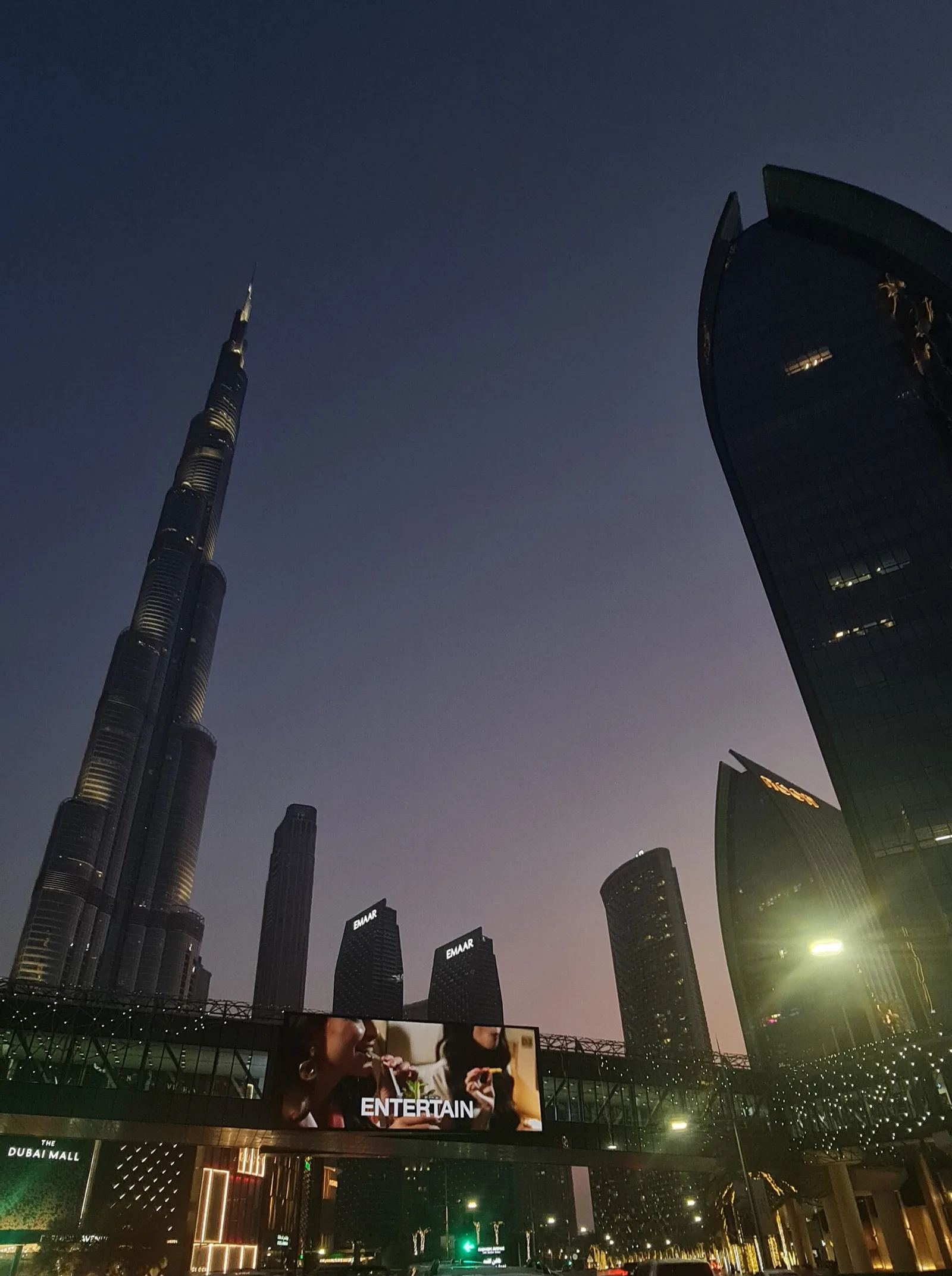
The view is the other. Sunset from the observation deck is the classic Dubai evening and the slot that sells out first, so book it before the day you want it; our Burj Khalifa tickets guide explains which tier and which hour are worth paying for.
A few final honest thoughts
Dubai’s beaches surprised me. I expected glossy and soulless, and instead found genuinely well run public sand with running tracks, night swimming and clean facilities, plus resort beaches you can dip into for a day without booking a room. The two downsides are real, though: the summer heat is no joke, and shade is scarce, so plan around both.
My simple formula is a free beach at sunrise, a beach club or a shaded park in the afternoon, and the lit Umm Suqeim water after dark in summer. Which beach did you love most, and did you find a quiet stretch the crowds have not discovered yet? Tell me in the comments.
Two of these are less beaches than beachfront districts, and they are often confused. Our comparison of La Mer and JBR sets out what each is actually like.