Dubai has become one of the most talked-about property markets in the world, drawing buyers with the promise of high rental yields, no annual property tax, a long-term residency visa, and a lifestyle that sells itself. But behind the glossy brochures is a real market with real rules, fees and risks, and buying well as a foreigner means understanding how the system actually works. This is a factual overview to get you oriented, wherever you are based. It is a starting point, not personal financial or legal advice, so confirm the current numbers and rules with qualified professionals before you commit.
Foreigners can own, but only in freehold areas
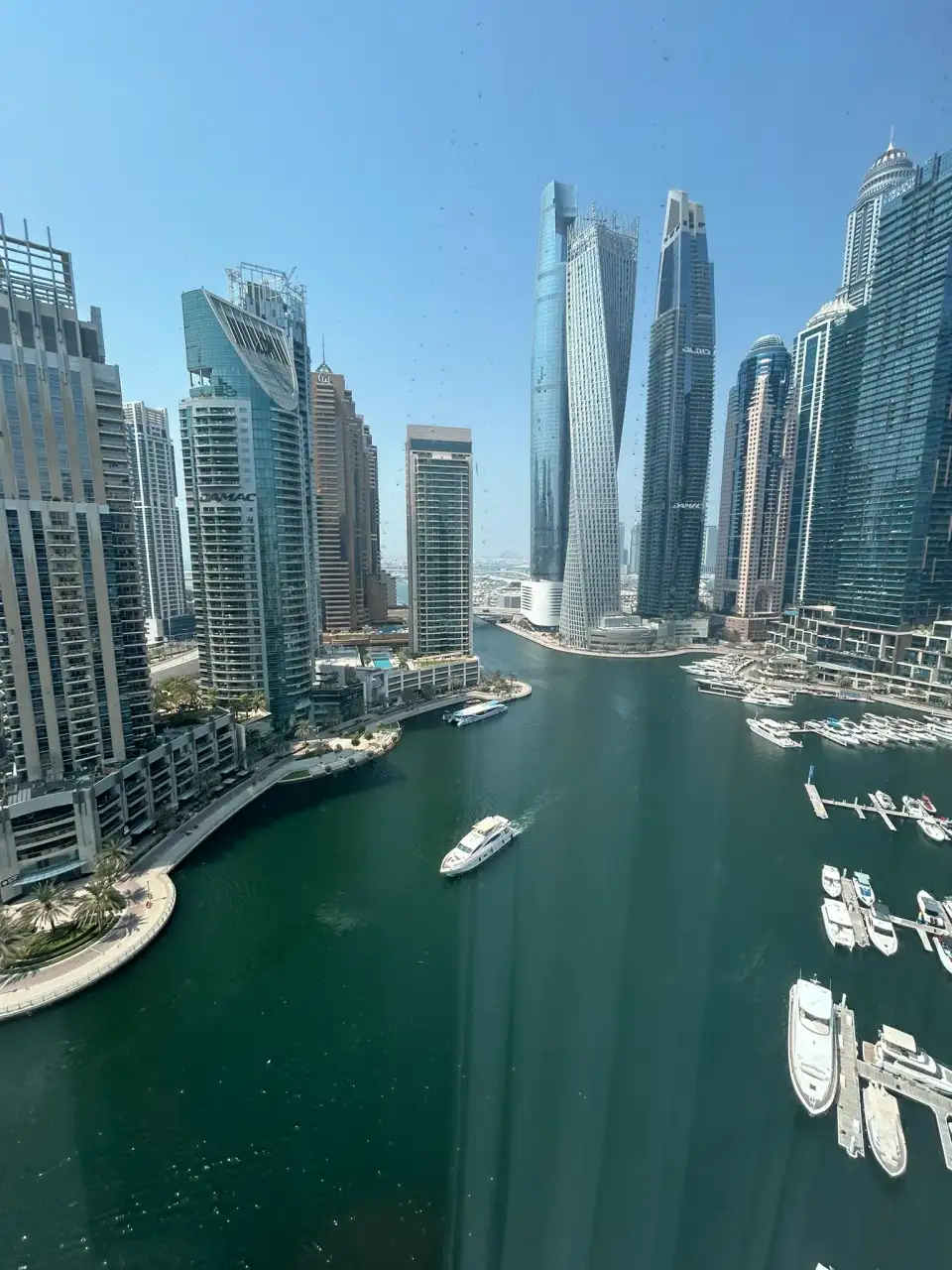
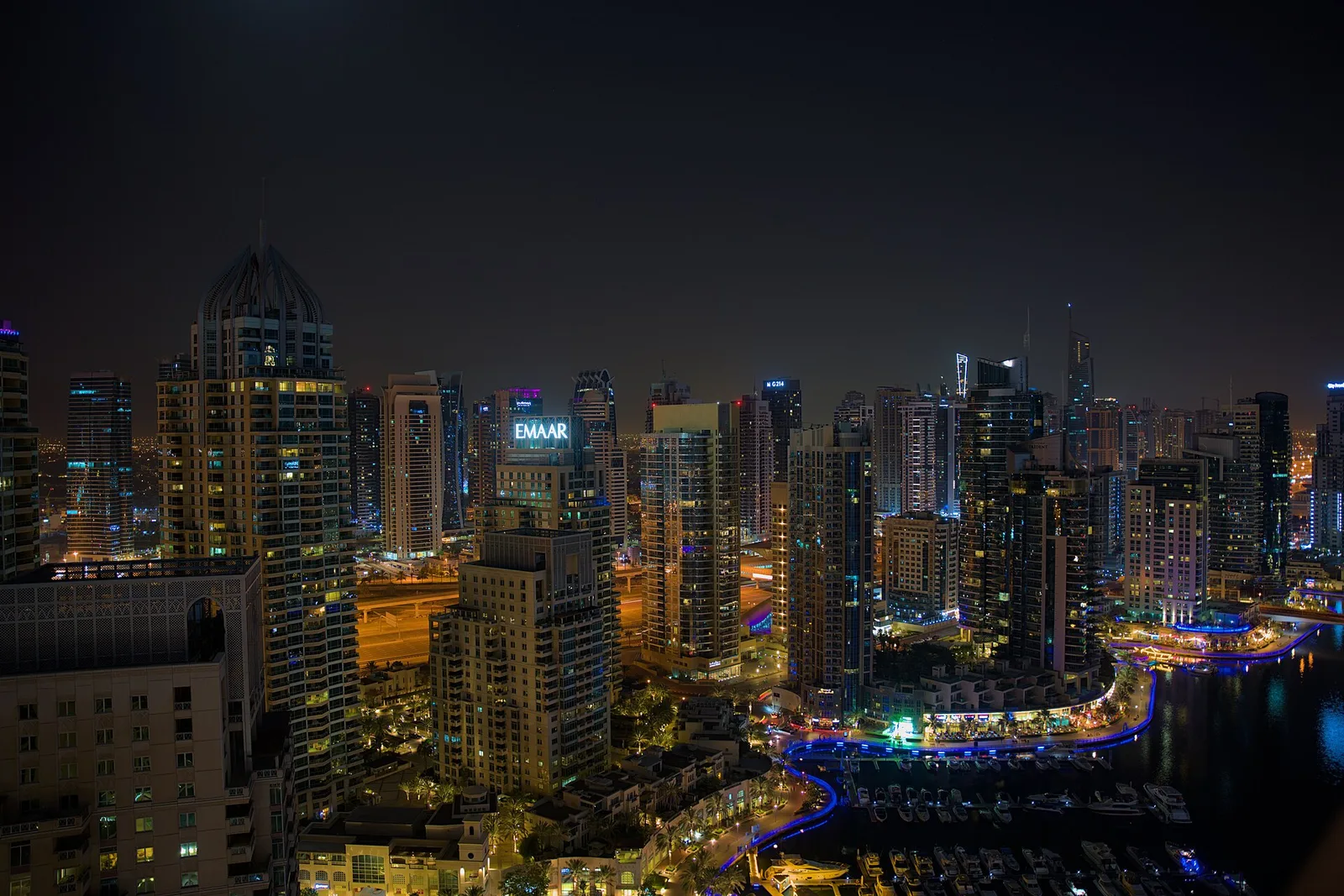
The single most important concept is freehold. Since the early 2000s, Dubai has designated specific freehold zones where foreigners can buy and fully own property, land and building, in their own name. These zones cover many of the most sought-after districts, including Dubai Marina, Downtown Dubai, Palm Jumeirah, Business Bay, Jumeirah Village Circle (JVC), Dubai Hills and Jumeirah Lakes Towers, among others.
Outside these designated areas, foreign ownership is generally restricted to leasehold or specific arrangements. So before you fall for a particular building, confirm it sits in a freehold zone open to foreign buyers. This is where a reputable agent and a check against official records matter.
The buying process, step by step
The process is relatively fast and structured compared with many countries. In broad strokes:
First, you agree terms and sign a Memorandum of Understanding (often called Form F) with the seller, and pay a deposit, commonly around ten percent. If you need finance, you arrange a mortgage in principle, though many foreign buyers pay cash. The seller, if they have a mortgage, obtains a No Objection Certificate (NOC) from the developer. Finally, both parties attend the Dubai Land Department (or a registration trustee office) to transfer the title, at which point the balance is paid and the property is registered in your name.
For off-plan purchases, bought directly from a developer before completion, you instead follow a payment plan tied to construction milestones, and the unit is registered on the developer’s system and later titled. Off-plan can be cheaper and comes with payment plans, but it carries completion and delivery risk, so research the developer’s track record carefully.
The costs beyond the price
Budget for transaction costs on top of the purchase price. The main one is the Dubai Land Department transfer fee, around four percent of the property value. Add registration fees, an agent commission of roughly two percent, and, if you finance, mortgage arrangement and valuation fees. Altogether, plan for several percent of the property value in one-off costs.
Once you own, there are ongoing service charges for building maintenance and amenities, billed per square foot and varying widely by development, plus utilities and, if you rent it out, management fees. There is no annual property tax in Dubai, which is a genuine draw, but the service charges on a luxury tower can be substantial, so check them before you buy.
Scout your shortlist in personSpend a night or two in each area you are considering before you commit a single dirhamYields, and why people invest
The headline attraction is rental yield. Dubai has historically offered relatively high gross yields compared with many major global cities, often quoted in the mid-single to high-single digit range depending on the area, the property type and whether you let long-term or short-term. Combined with no annual property tax and no capital gains tax on property for individuals, the net returns can look appealing.
Short-term and holiday letting, in a city with year-round tourism, can push gross yields higher still in the right location, though it comes with more management, more regulation and more variability. As always, treat any quoted yield as a rough guide that depends heavily on the specific unit, the service charges, occupancy and the wider market, not a promise.
The Golden Visa angle
For many buyers, residency is part of the appeal. A property investment above a minimum value threshold set by the authorities can qualify you and your family for the long-term Golden Visa, a renewable residency visa valid for several years, without needing a local sponsor. Smaller investments may qualify for shorter residency visas.
The exact threshold, the documentation and the conditions change over time, and there are nuances around mortgaged versus fully-owned property and off-plan versus completed. Do not buy on the assumption of a specific visa outcome without confirming the current rules through an official channel or an immigration adviser.

The risks to weigh
Dubai’s market is dynamic, which means it can rise fast and also cool. Historically it has seen cycles of strong growth and sharp corrections, so buying at the top of a hot cycle carries real risk. Off-plan purchases add completion and developer risk. Service charges can erode net yields. Currency movements matter if your income is in another currency, though the dirham’s peg to the US dollar removes dollar-currency risk specifically.
Protect yourself the usual ways: buy in an established freehold area, use a RERA-registered agent and check the developer’s history, verify everything against official Dubai Land Department records, budget honestly for all fees and charges, and take independent legal advice. Never rely solely on a sales-office projection.
Off-plan and completed property, side by side
The first real decision most overseas buyers face is not which area but which type of purchase, because the two behave nothing alike.
Off-plan means buying from a developer before completion, on a payment plan tied to construction milestones. The attractions are a lower entry price, staged payments that spread the cost, and the choice of unit within a new building. The risks are concrete: delay, changes to the delivered product, and developer failure, alongside the simple fact that the asset produces no income until it is handed over.
Completed property costs more per square foot and offers the opposite profile. You can inspect the actual unit, see the actual view, read the actual service-charge history, obtain a valuation and, if you wish, rent it out immediately.
The honest summary is that off-plan is a construction bet with a property attached, and completed property is a straightforward asset purchase. Whichever way you lean, the questions that decide it are what buyer protections apply to the purchase, how the payment plan is structured against construction, and what the developer has actually delivered before.
Doing your own diligence
Every serious problem overseas buyers report traces back to something that could have been checked before signing.
Verify the freehold status of the specific building against official records rather than taking a brochure’s word for it. Check the agent is properly registered and that the seller genuinely owns what they are selling. Read the service-charge schedule for the building, not the development’s average, because a tower with extensive amenities carries a very different number from a simple block. Ask what the actual rents are in the same building today rather than the projected figures in a sales pack. And take independent legal advice that is not arranged by the seller or the agent.
One more that people skip: look at the handover and management arrangements. Who runs the building, how the owners’ association works and how disputes are handled will matter far more over ten years than the marble in the lobby.
Know the ground before you buy it
The single cheapest piece of diligence is spending time in the city as a visitor before committing to it as an owner.
Areas that look identical on a map behave very differently in practice: how long the commute really takes, whether the building is surrounded by construction, how the neighbourhood feels at nine in the evening, and how far it is from a Metro station in forty-degree heat. Our guide to Dubai’s neighbourhoods covers the districts from a visitor’s perspective, which is a surprisingly good proxy for how they function day to day, and staying a night or two in each of your shortlisted areas will teach you more than any floor plan.
While you are there, do the ordinary tourist things too, including the observation decks, because seeing the city laid out from above makes the geography, the distances and the direction of development immediately legible in a way no map does.
Seeing the city as a resident would
Anyone considering property here should spend time in the city as an ordinary visitor first, which is the cheapest diligence available. Walk the districts in the heat rather than looking at maps, sit in the traffic at six in the evening, and use the everyday amenities.
That includes the indoor infrastructure that makes life here workable for much of the year, from the malls to the attractions inside them; our aquarium and underwater zoo guide is a small example of a much larger point, which is that this is a city built around air conditioning and it is worth understanding that before buying into it.
The bottom line
Dubai genuinely allows foreigners to own property in its freehold zones, the process is fast and structured, the fees are moderate, yields have historically been attractive, and a large enough purchase can open the door to long-term residency. Those are real advantages. Balance them against a cyclical market, service charges, and rules that shift, do your own diligence with qualified professionals, and treat every headline number in this guide as a rough starting point to verify, not a guarantee.