Of all the things you can do in Dubai, the desert safari is the one that stays with people. After the towers and the malls, there is something profound about driving out to the dunes, watching the sun sink into an ocean of sand, and eating dinner under a sky full of stars. But safaris come in many shapes, from cheap group runs to lavish private camps, and choosing well makes all the difference. Here is how to pick the right one, wherever you are flying from.
What a desert safari actually is
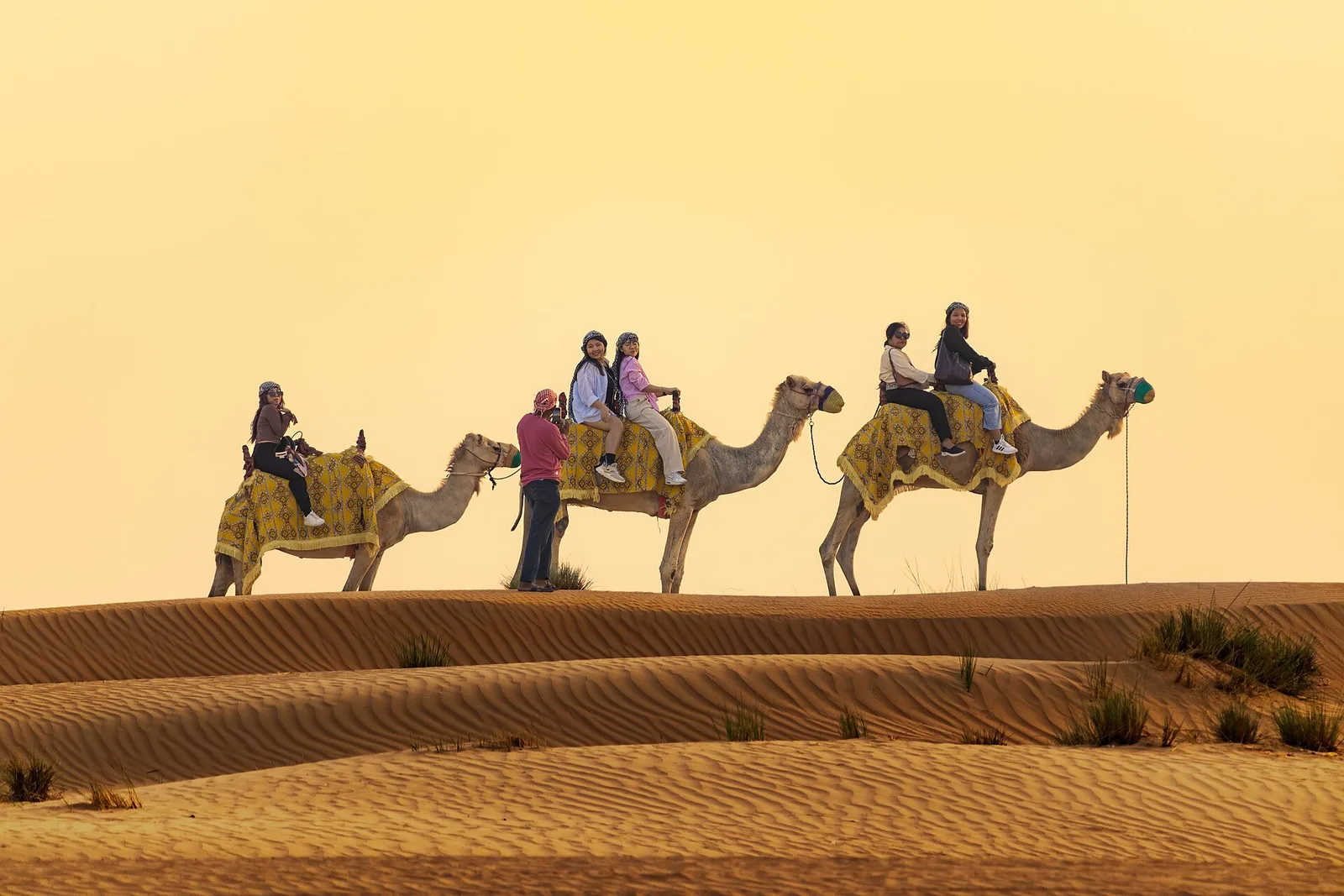
A classic safari bundles several experiences into one trip. A 4x4 picks you up from your hotel and drives out to the dunes, where the driver deflates the tyres and takes you dune bashing, a thrilling roller-coaster ride over the crests. From there you usually reach a desert camp for a camel ride, sandboarding, a henna or falcon photo, a barbecue dinner, and live entertainment like a tanoura dance under the stars.
Not every safari includes all of this, which is why the type you choose matters. Read the inclusions carefully so you know whether dinner, transfers and activities are part of the price.
Morning versus evening
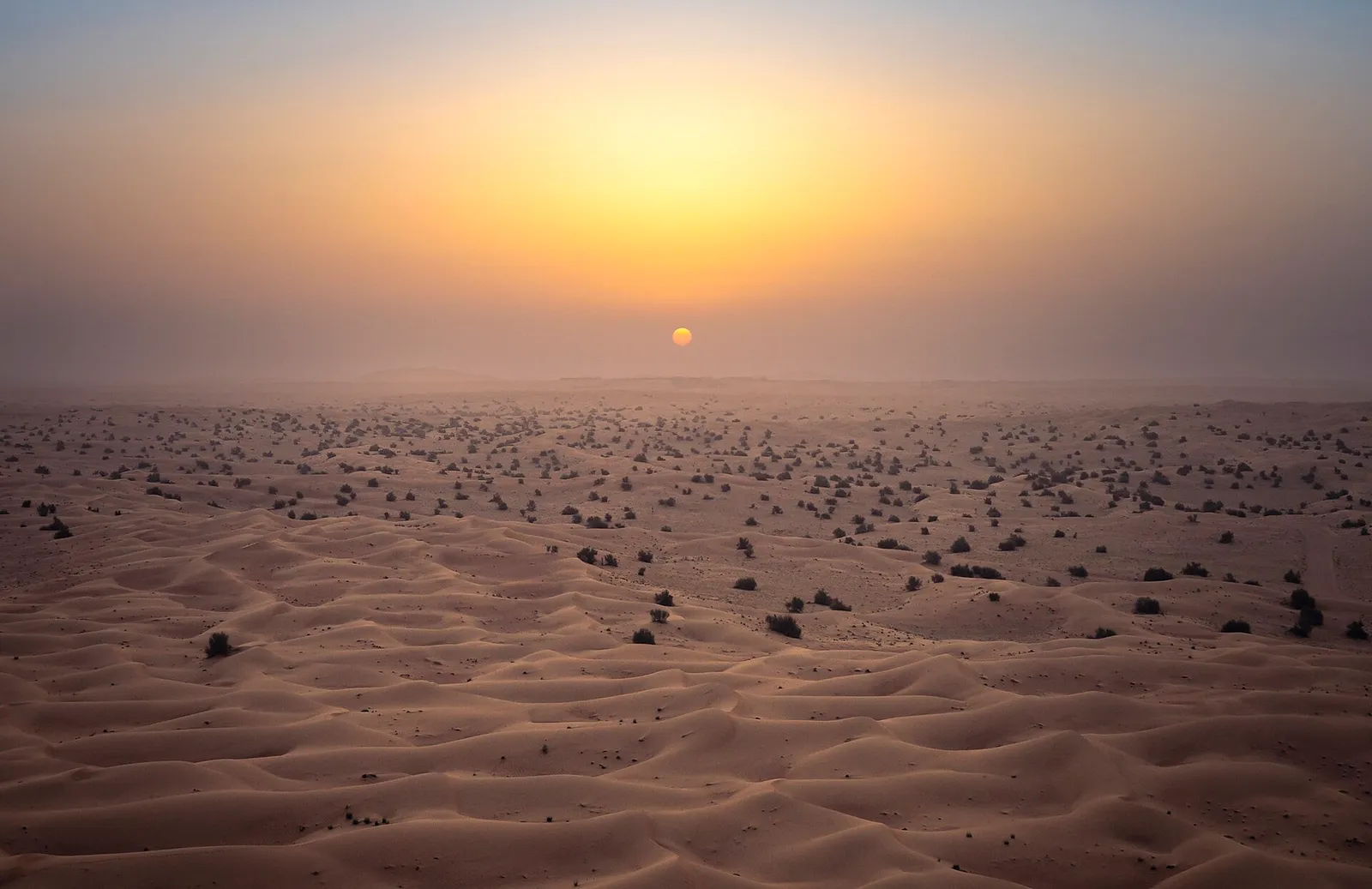
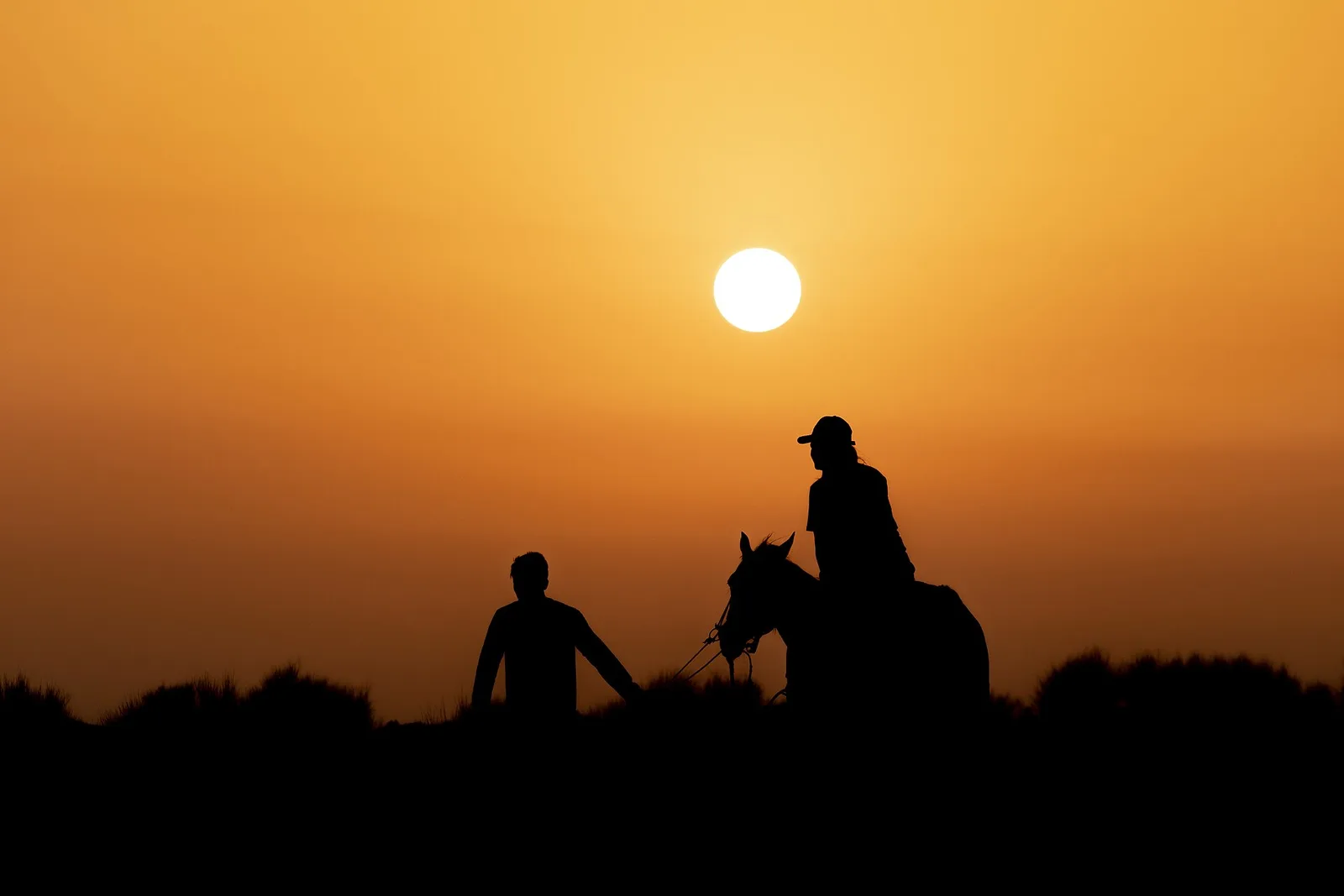
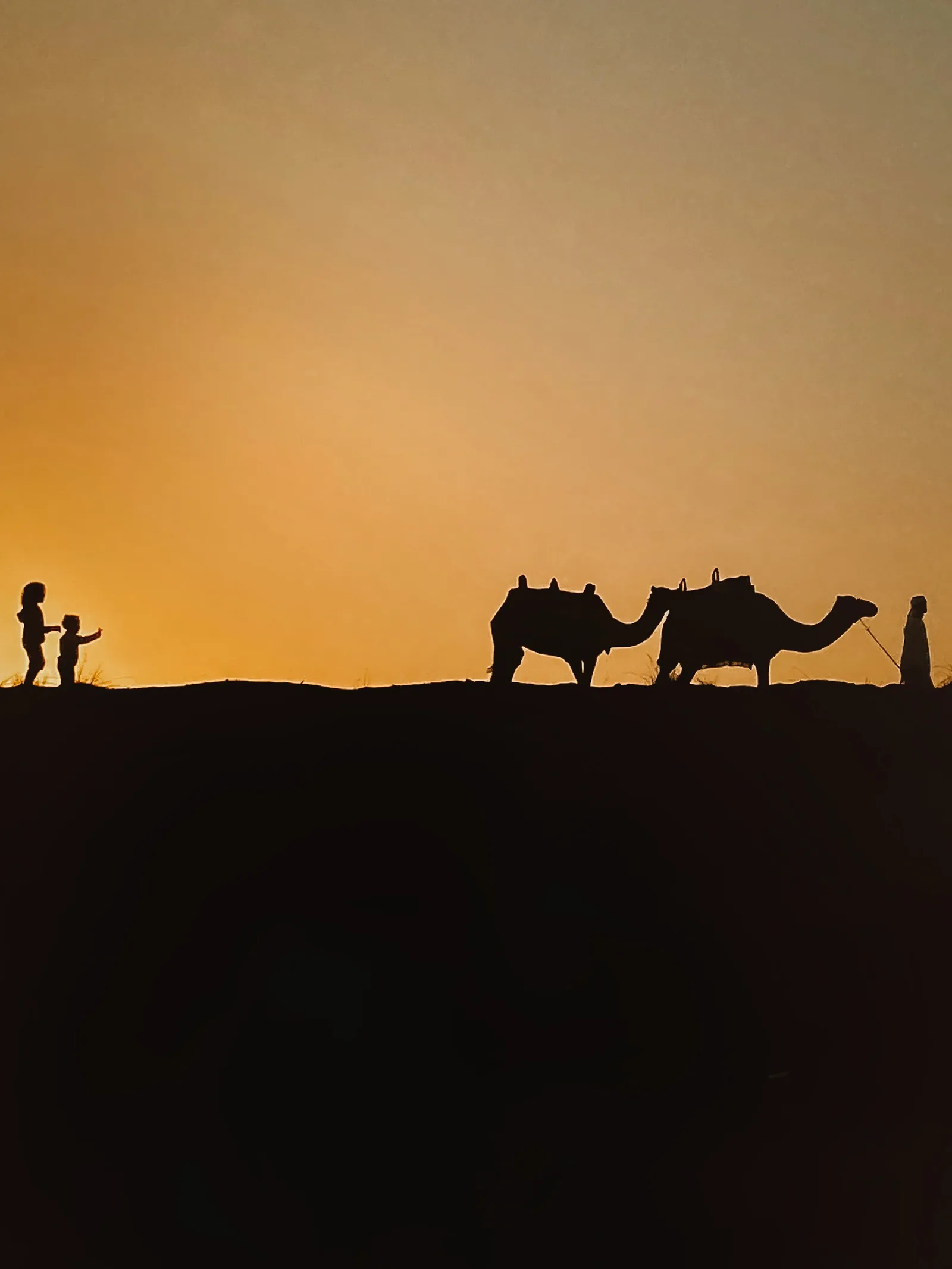
The evening safari is the classic, and the one most people should book. You leave in the late afternoon, catch the golden light and sunset over the dunes, then settle into the camp for dinner and entertainment as the temperature drops. It is the full, romantic desert experience, and the reason it is the default.
The morning safari is shorter, cheaper and quieter. You get the dune bashing, the camel ride and the photos without the dinner and the crowds, and you are back in the city by lunchtime. In the searing summer months, an early-morning safari is also far more bearable than anything in the afternoon heat.
The tiers, from budget to blowout
Safaris broadly fall into three levels. Standard group safaris put you in a shared 4x4 and a large busy camp; they are the best value and perfectly fun. Premium safaris use smaller groups, better camps and nicer food, with more space and a calmer atmosphere. Private and luxury safaris give you your own vehicle, a private or exclusive camp, vintage Land Rovers, gourmet dinners or overnight stays in the dunes.
If it is your first time and you are on a budget, a good group evening safari delivers the whole experience. If you want it quieter, more comfortable, or more romantic, paying up for premium or private is money well spent.
Book the safari before the cool season fillsGood operators sell out weeks ahead from November to March, so reserve your date earlyThe conservation reserve option
Some of the best safaris run inside the Dubai Desert Conservation Reserve, a protected area with real desert wildlife, gazelles and oryx, and rules that limit crowds. These tend to be premium experiences and cost more, but the setting is more authentic and less commercial than the busy general dune areas. If the desert itself is your priority rather than the camp party, look for a reserve safari.
What to wear and bring
Keep it light and practical. Wear breathable clothing and closed shoes or sandals you do not mind getting sandy, and bring sunglasses, sunscreen and a hat. In winter the desert cools fast after sunset, so pack a light jacket or layer for the evening camp. Bring a little cash for extras like drinks or henna, and a fully charged phone or camera, the light out there is extraordinary.
If dune bashing makes you queasy, sit in the front, skip a heavy meal beforehand, and tell your driver, most will adjust the intensity. Pregnant travellers and anyone with back or neck problems should skip the dune bashing and choose a gentler desert experience instead.
Timing across the year
The desert is at its most comfortable in the cool season, November to March, when evenings in the dunes are pleasant and the camps are lively. This is also peak season, so book well ahead. In the shoulder months the balance of weather and crowds is good. In the peak summer, midday in the desert is dangerously hot, so stick to early-morning safaris and drink plenty of water. In every season, the desert is noticeably cooler than the city after dark, which is part of the appeal.
What it typically costs
Prices swing hard by type. A shared group evening safari with dinner sits at the affordable end, a premium safari with a better camp and smaller groups costs more, and private or luxury experiences with exclusive camps or vintage vehicles run considerably higher. Whatever the tier, booking online in advance is almost always cheaper than arranging it through the hotel desk on the day, and it guarantees your spot in peak season.
Choosing an operator without getting burned
The safari itself is fairly standardised. The difference between a great evening and a mediocre one is almost entirely the operator, and a handful of checks separate them.
Read the inclusions, not the headline. Transfers, dinner, drinks, camel rides, sandboarding and the various photo extras are bundled differently at every price point, and the cheapest quote is usually the one where most of them are add-ons at the camp.
Check the group size and the camp. A large shared camp is lively and fine; a smaller premium camp is calmer, and if you are hoping for the silence of the desert rather than a party, that distinction matters more than the food.
Ask about pickup timing. Shared safaris collect several hotels in sequence, so an early quoted pickup can mean an hour in the vehicle before you leave the city. If your hotel is at the far end of the coast from the dunes, this is the detail that decides how your afternoon goes.
Book online in advance. It is consistently cheaper than the hotel desk, it lets you compare inclusions side by side, and in the cool season the good operators genuinely sell out.
Beyond the standard safari
The classic evening trip is not the only way to see the desert, and two alternatives suit people the standard package does not.
Overnight desert stays turn the experience into a night in the dunes, with the camp emptying after dinner and the sky doing what no city sky can. It costs considerably more and it is the version people describe years later.
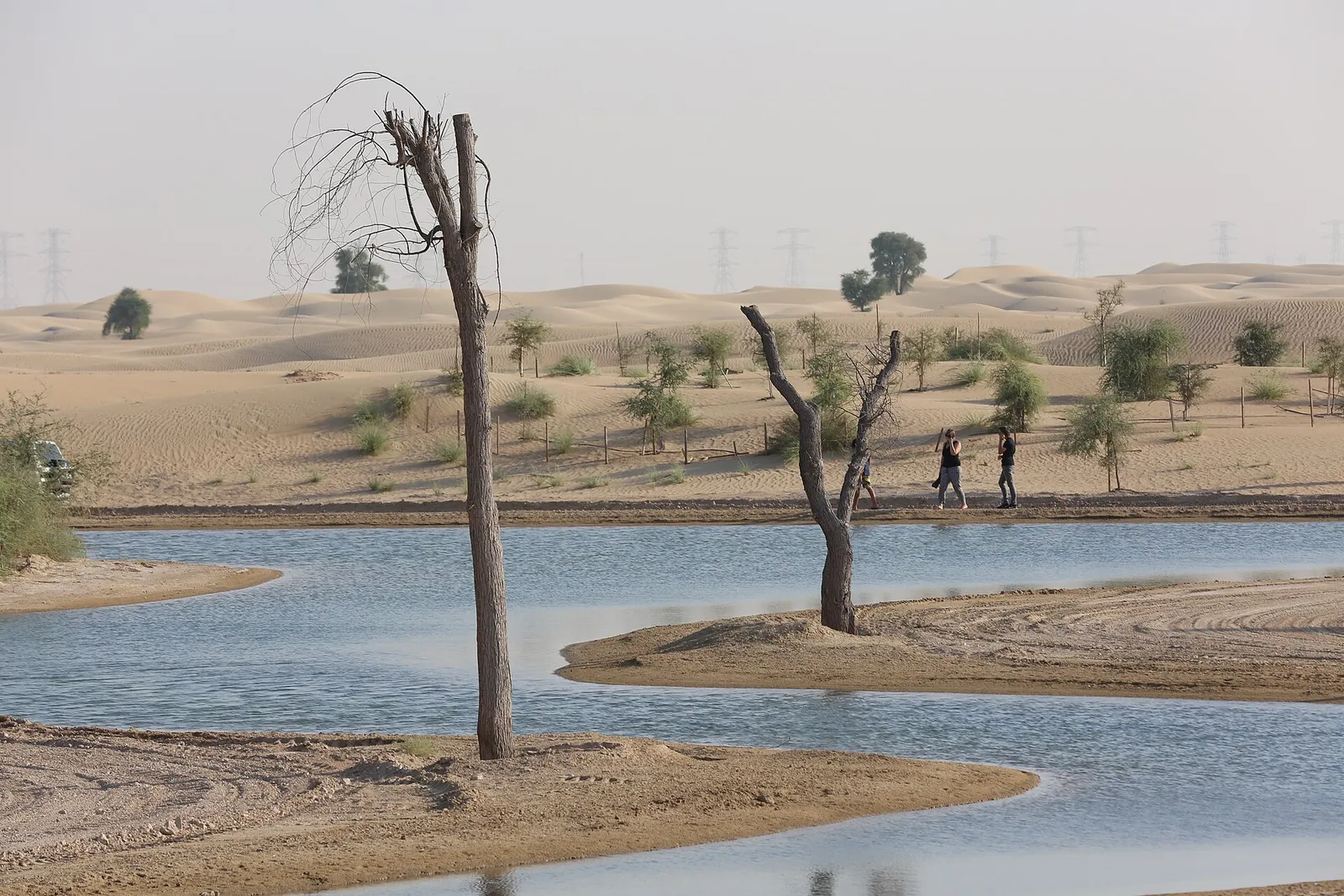
Going independently is the other end of the scale. A drive out to the lakes and desert areas on the edge of the city gives you the landscape, the light and the quiet without any of the packaging, and it costs almost nothing beyond fuel, with early morning and late afternoon the only sensible hours to be out there. It is the better choice for anyone who wants the desert itself rather than the show.
What the camp evening is really like
Knowing the shape of a camp evening removes most of the disappointment people occasionally report, because the expectations are usually the problem rather than the product.
The arrival is the best part: the drive in, the light going gold, the moment the engine stops and there is no sound at all. The camps themselves are set up for volume, with rugs and low tables, a buffet, and a rotation of entertainment through the evening, usually a tanoura dancer and a fire show.
The extras are worth understanding in advance. Camel rides at the camp are short circuits rather than treks, henna and falcon photographs are usually included in some form, and alcohol, where a camp serves it, is normally charged separately. Sandboarding is a few runs down a dune and is more fun than it sounds.
What the standard camp is not is remote or quiet, and people hoping for solitude are booking the wrong tier. The reserve safaris and the overnight options exist precisely for that, and the price difference buys space rather than better food.
Two small comforts make the evening much better: a layer for after sunset, when the temperature drops fast in winter, and low expectations of the buffet, which is fine rather than memorable. The desert is the thing you came for, and it delivers.
Fitting the desert into a Dubai trip
A safari is not a spare afternoon, it is a whole half of a day, and the trips that work best treat it that way.
The natural rhythm is city by day, desert by evening, and the day you choose matters. Pairing a safari with an early start elsewhere makes for a very long day, particularly in the heat, so keep the daytime light on safari day.
The other fixed point most visitors book is the observation deck, and the two compete for the same golden hour; our Burj Khalifa tickets guide explains which time slots are worth paying for, so you can put one at sunset and the other on a different day rather than choosing between them.
And since pickups run from hotels across the city, where you stay changes how long you sit in the car before the dunes appear. Our guide to where to stay in Dubai covers the districts and how they connect.
Taking children into the dunes
Families do this constantly and it works, provided the format matches the ages. The camp itself, with camels, sandboarding and dinner, suits almost any age; the dune bashing is intense and some operators set a minimum. A morning safari is frequently the better call with small children, since it is shorter and avoids a very late finish. Our Dubai with kids guide covers the wider question of which attractions actually work with children and which are better left for another trip.
The bottom line
A desert safari is the Dubai experience worth prioritising. Book an evening group safari for the full package on a budget, step up to premium or private if you want it calmer and more comfortable, and choose a conservation-reserve trip if the desert itself is the point. Reserve early in the cool season, dress light, bring a layer for the evening, and get ready for the moment the city disappears and the dunes take over.
Not every trip out of the city is sand. Our Hatta day trip guide covers the mountains, the turquoise dam and air several degrees cooler than the coast.