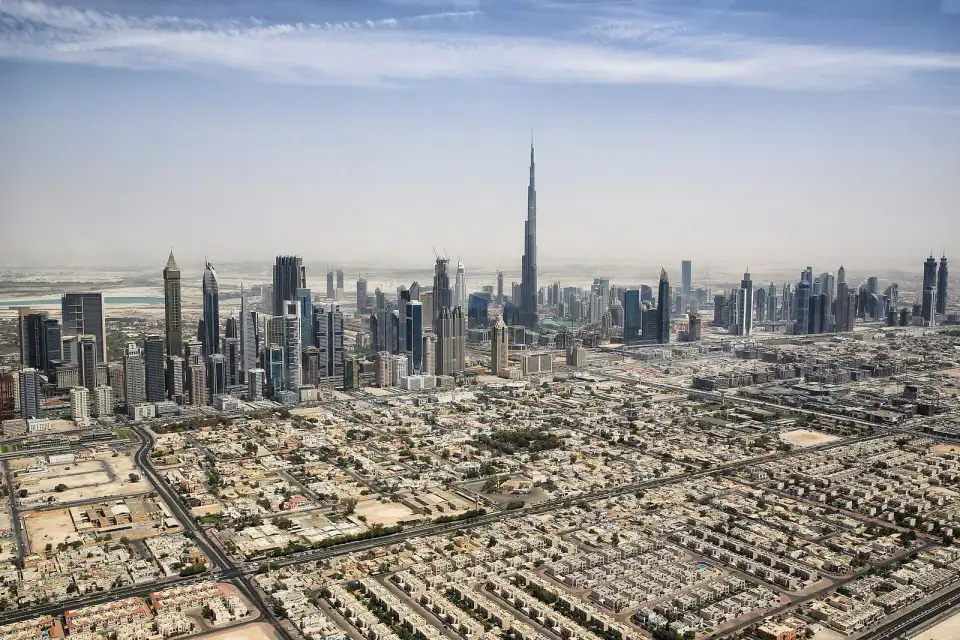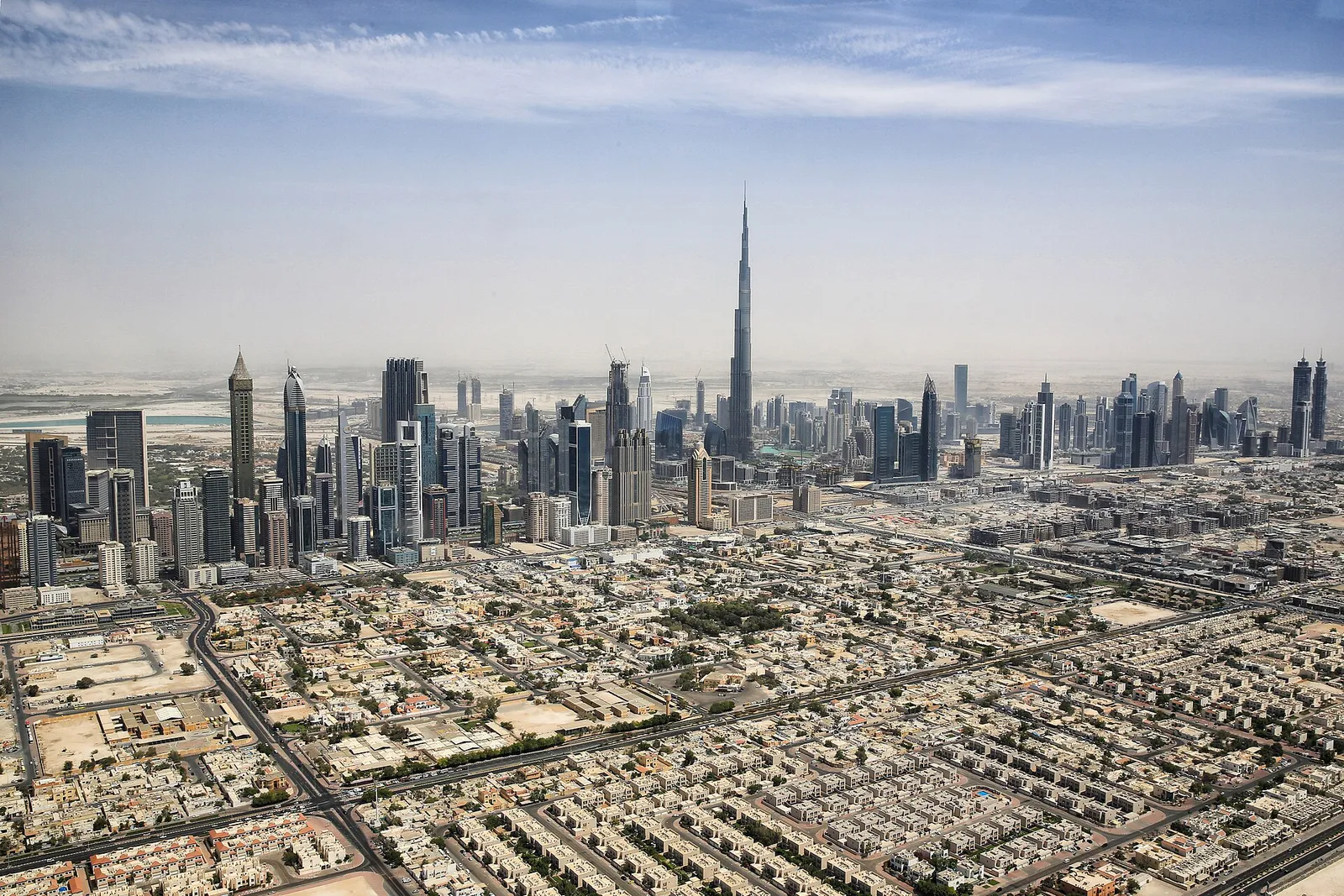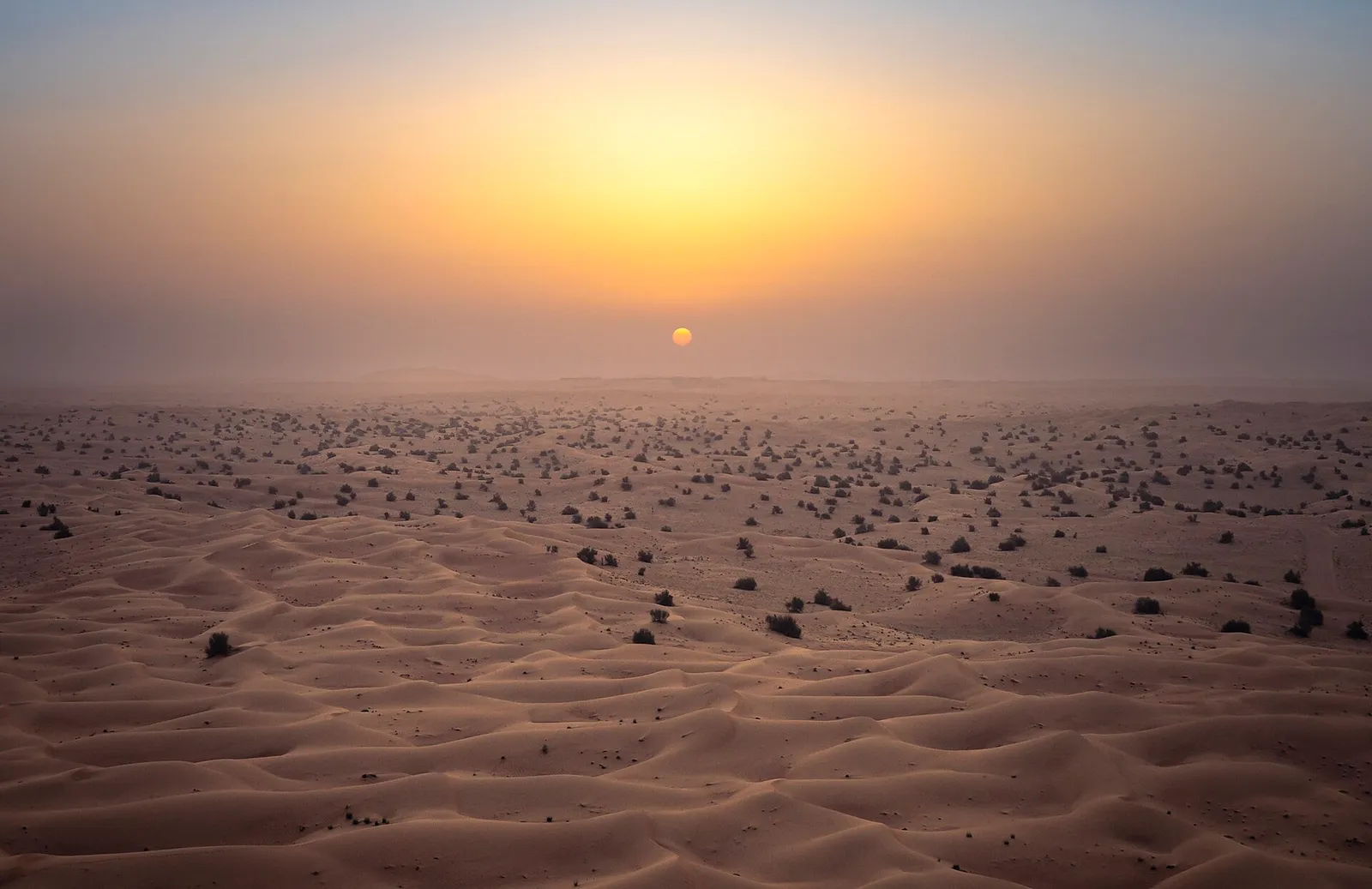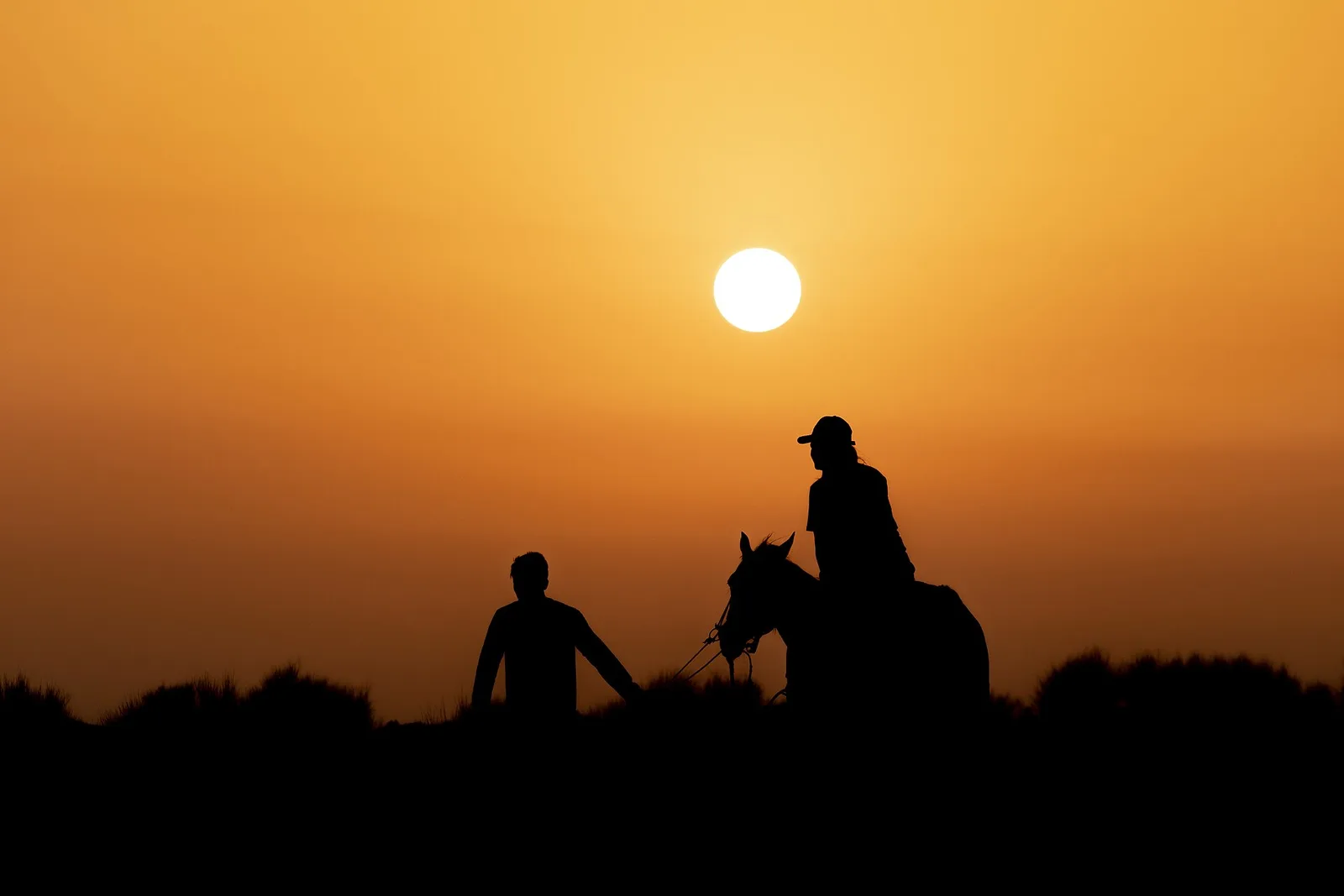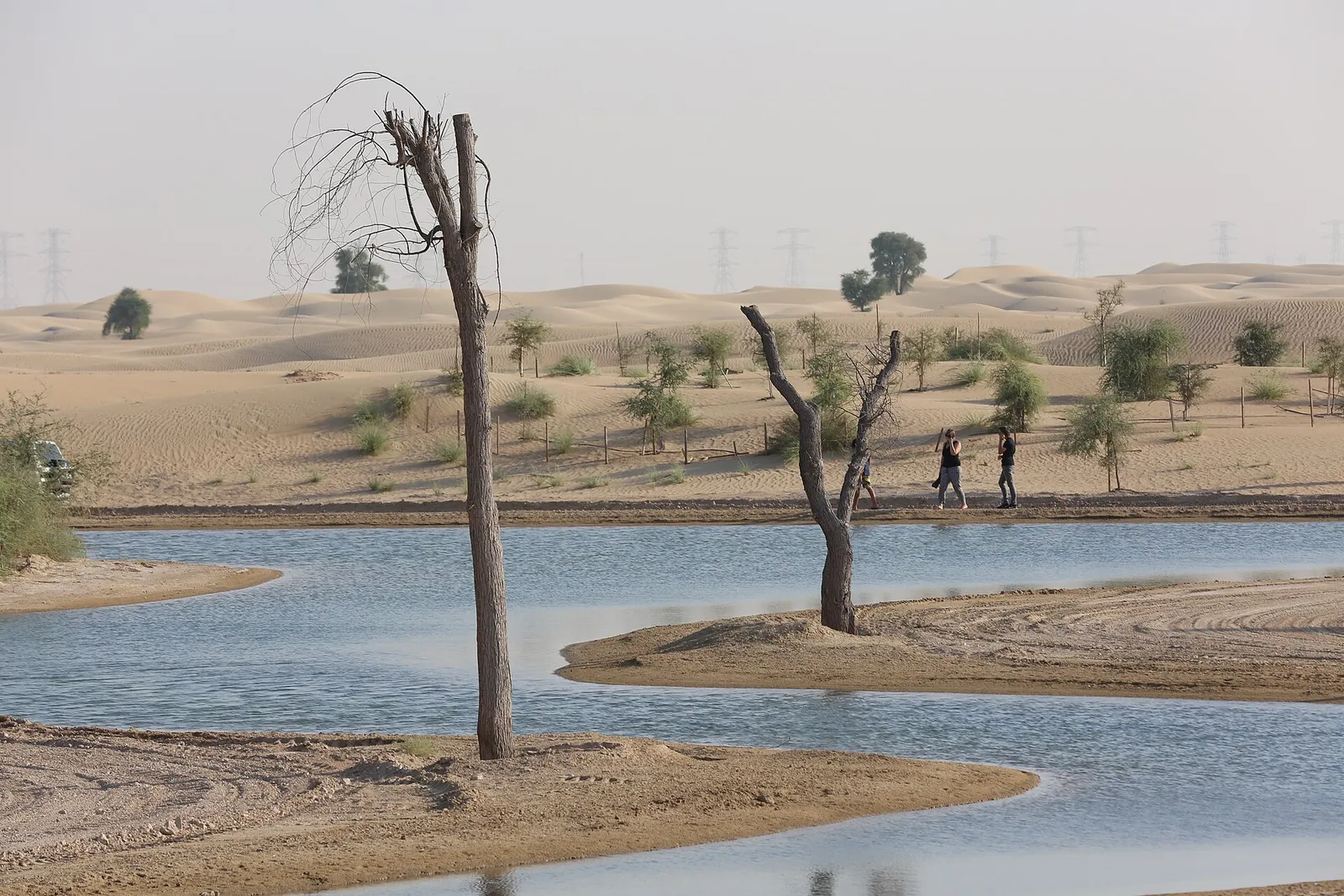
Forty minutes southeast of the towers, in flat open desert, someone dug a set of lakes and planted the ground around them. That was a piece of landscaping, and what happened next was not entirely planned: birds arrived. There are swans on them now, and herons, ducks and, at times, flamingos, with oryx and gazelle in the conservation land around. It is free, it is quiet on a weekday morning, and it is the version of the desert you reach yourself rather than the one that collects you from your hotel.
What is out there
The lakes, several linked bodies of water in the sand, ringed with reeds and planted trees.
Water birds in genuine numbers, including swans, ducks, herons and seasonally flamingos.
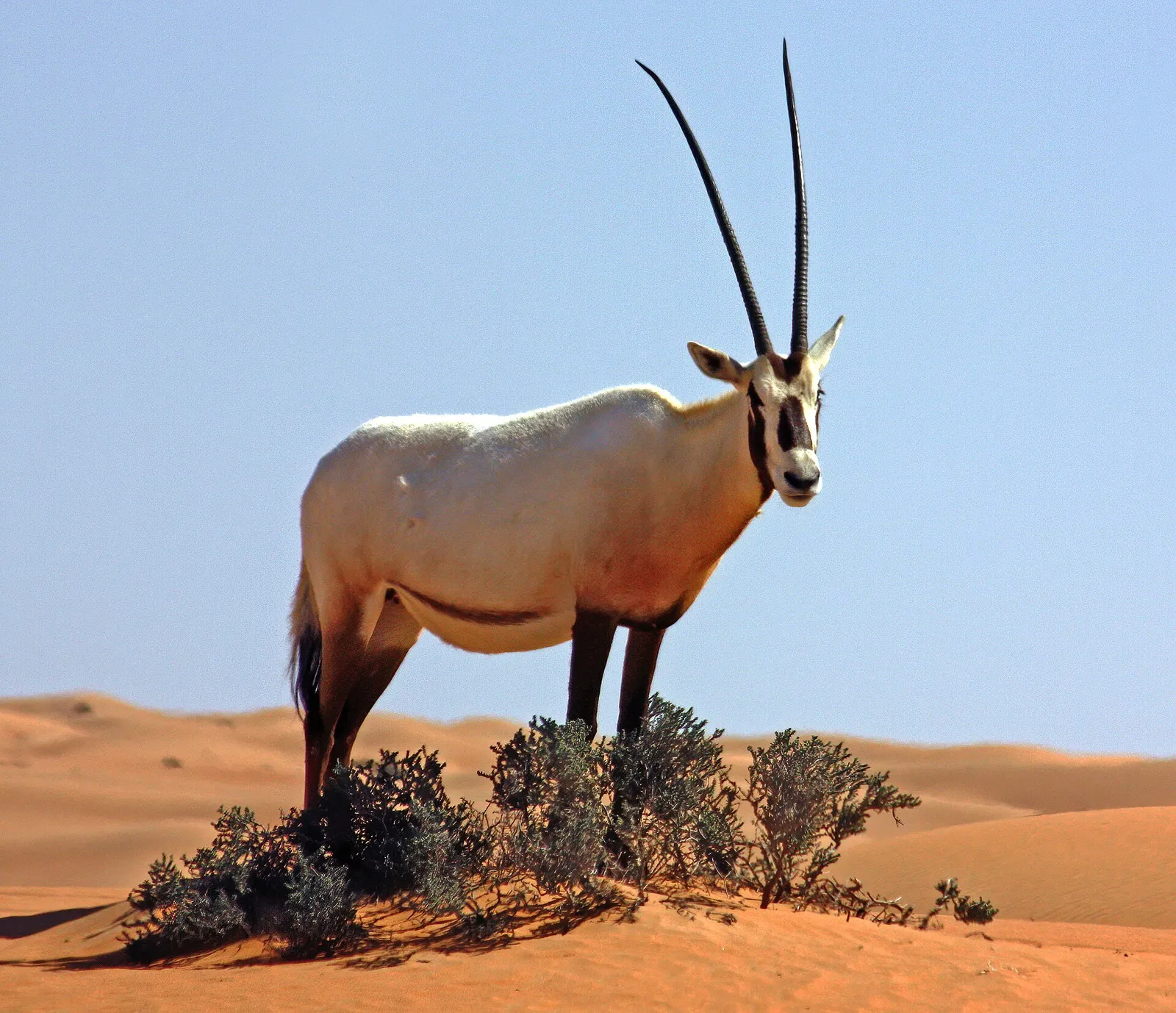
A conservation reserve in the surrounding desert, home to Arabian oryx and gazelle.
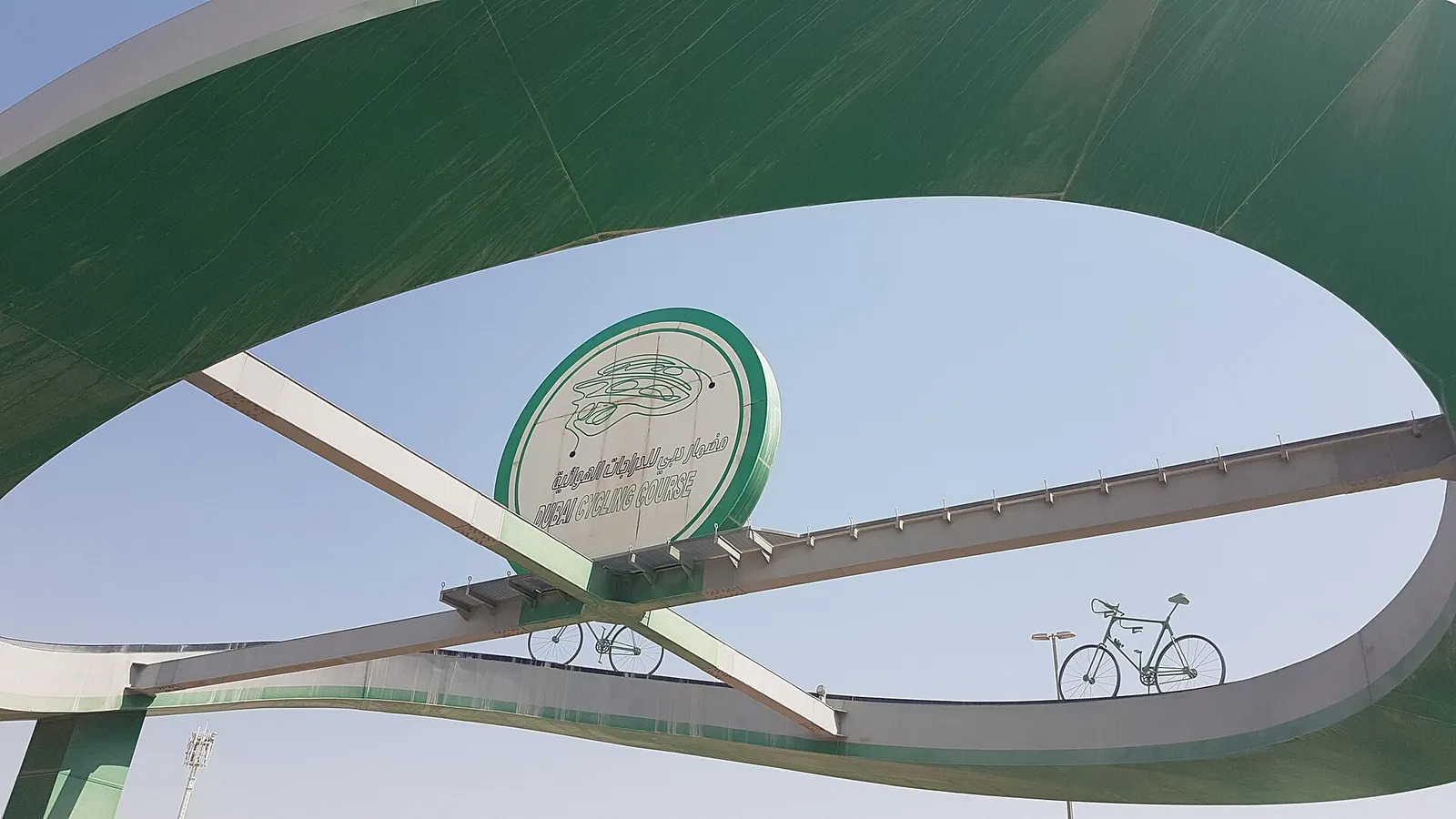
A long cycle track, dedicated and traffic free, with loops of varying length and a hire hub at the start.
Designated camping areas, free, used heavily by residents in the cool months.
Almost no facilities, which is the trade for it being free and quiet.
Why go, instead of a safari
Your own timing, which means arriving at first light rather than at a scheduled pickup.
No programme, no camp, no show and no group.
Free, other than the car and the fuel.
Wildlife rather than activities, which is the real difference.
Silence, which the standard evening safari does not offer at any price.
A safari is still better if you want dune driving, sandboarding and a proper dune field, since this is flat desert.
Cycling
A dedicated desert track, flat, well surfaced and separated from traffic, with loops from short to very long.
A hire and service hub at the trailhead, with bikes, water and a cafe.
Exposed the whole way, with no shade and no shelter, which sets the hours.
Early morning or the last hours of daylight, and lights if you will be out at dusk.
Oryx and gazelle are regularly seen from the track, which is the part cyclists talk about.
Practical notes
Stay on the tarmac unless you are in a properly equipped vehicle with someone who knows what they are doing. Soft sand strands ordinary cars constantly and rental agreements exclude off road driving.
Phone signal is present but not uniform.
Sun cover matters more here than in the city because there is nowhere to retreat to.
Do not feed the birds or approach the oryx, which is both the rule and the point.
Weekends and public holidays are busy, and weekday mornings are empty.
Check current access rules before planning an overnight, since arrangements around camping have changed at times.
Other quiet desert options
The conservation reserve proper, which is entered on an organised trip and has restricted vehicle numbers.
A flamingo wetland closer to the city, with hides, which is a shorter and easier version of the same idea.
The mountains further east, which are a longer drive and a completely different landscape.
A hot air balloon, expensive, and the only way to see the real dune field whole.
An overnight camp, if you want the sky.
Where this fits in a Dubai trip
This is the morning that makes the desert feel like a place rather than an excursion.
For the standard safari and everything it includes, our guide to the Dubai desert safari covers the ground.
For which safari to pick if you do book one, our comparison of morning and evening trips covers the difference.
And because none of this works without a vehicle, our guide to renting a car in Dubai covers the licence, the tolls and the rule about soft sand.
The short version
Drive out at first light on a weekday, with a full tank, more water than you think and everything you plan to eat. Walk or cycle the loops, watch for oryx and gazelle from the track and for flamingos and swans on the water. Stay on the tarmac, because soft sand strands ordinary cars and your rental agreement excludes it. Take every piece of your rubbish home. And treat it as an alternative to a safari rather than a substitute for the dunes, which are a different landscape entirely.