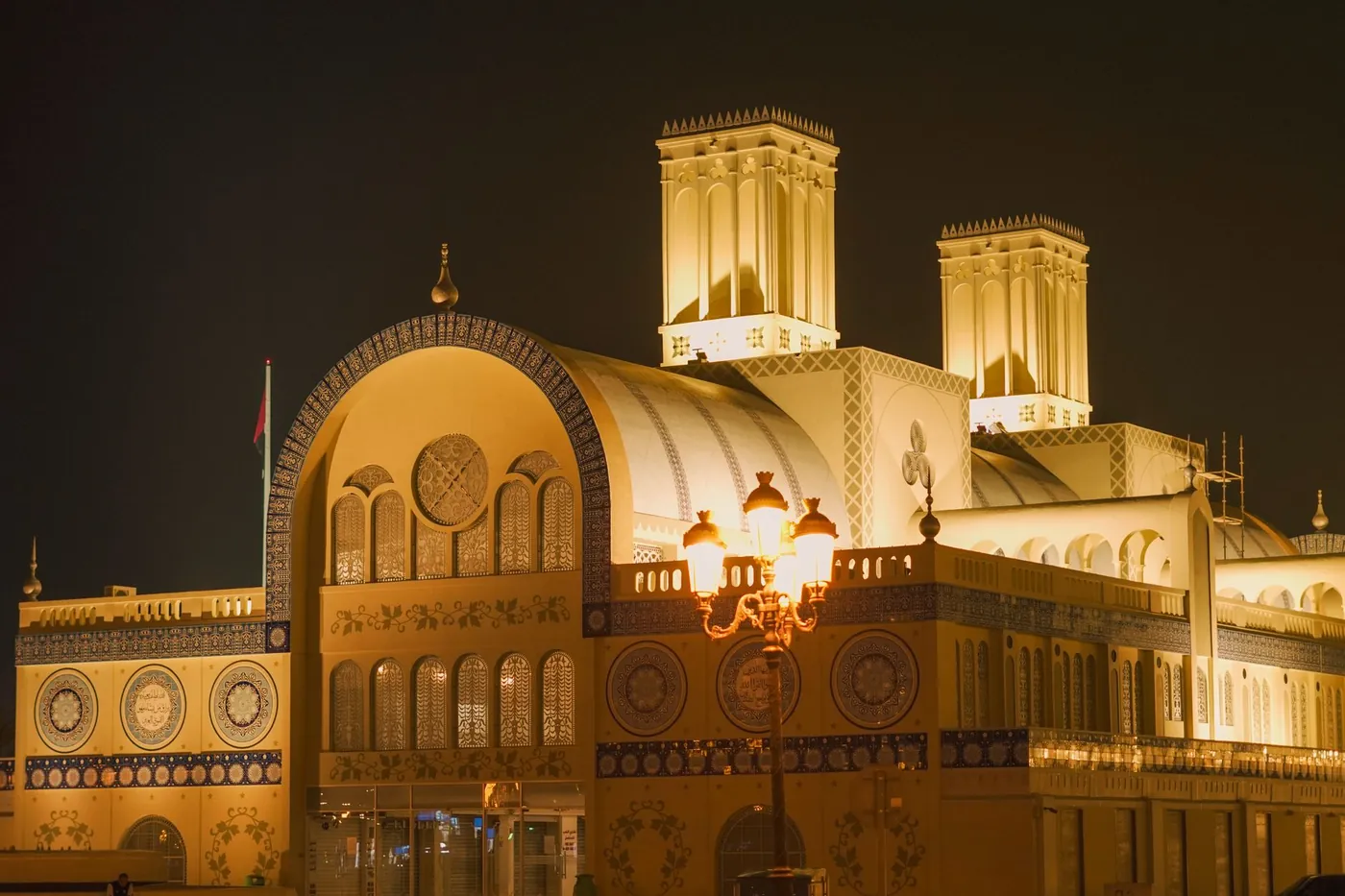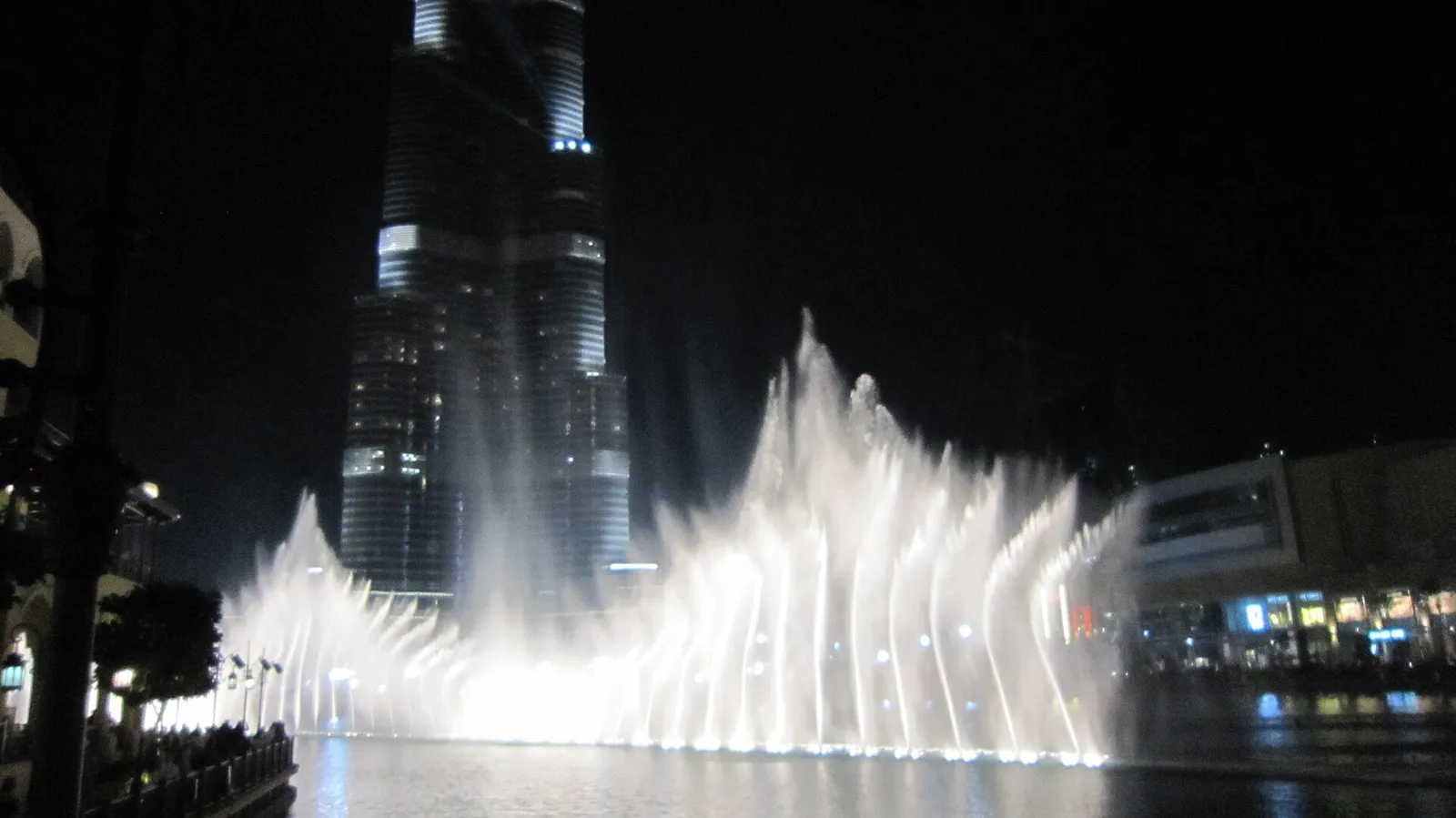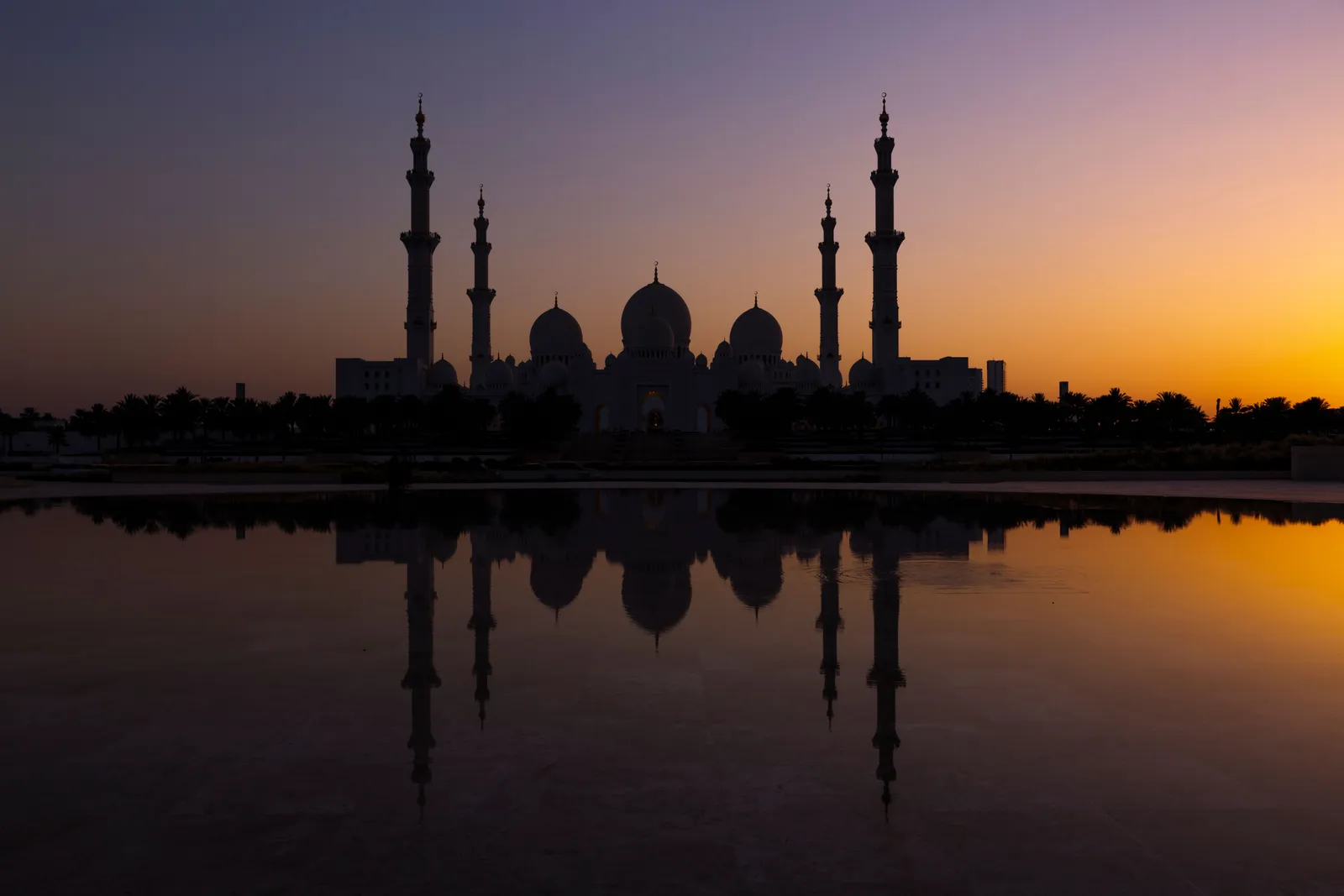
Abu Dhabi is the capital of the country Dubai sits in, about ninety minutes down the motorway, and it is the most common day trip out of the city. It is also the one people most reliably over-plan, arriving with four major sites on the list and getting through two. Here is what actually fits, and the entrance rule that turns visitors away at the door.
The travel time, honestly
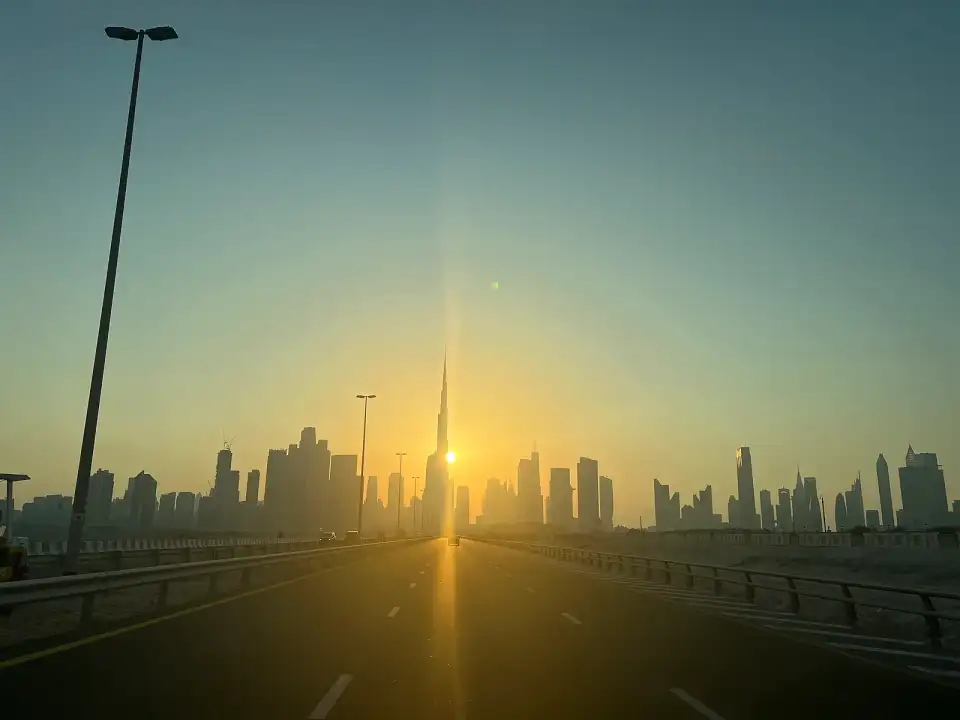
The drive is roughly ninety minutes each way on a fast motorway in good conditions. Leaving Dubai in the morning rush and returning in the evening one can extend that considerably.
Three ways to do it. Intercity buses run frequently between the two cities from dedicated stations rather than from the metro network, and the fare has stayed low for years, though the journey is longer and you still need transport at the far end. A private car or taxi is comfortable and flexible, and if you drive yourself remember that the route uses tolled gantries and that a hire car will be charged for them afterwards. An organised tour handles the driving and the sequencing, which matters more here than usual because the sites are spread out.
Whichever you choose, put three hours of travel into the day before planning anything, and remember that the sites in Abu Dhabi are themselves a long way apart. This is not a city you walk between attractions in.
The timing that actually works is an early start, ideally leaving Dubai before the morning peak clears rather than after it. The return is the leg people underestimate: heading back into Dubai in the late afternoon puts you on the motorway at the worst possible hour, and an extra hour there is normal rather than unlucky. Either leave Abu Dhabi by mid-afternoon or plan to stay for an evening meal and drive back late, when the road is clear.
The Grand Mosque, and the dress code
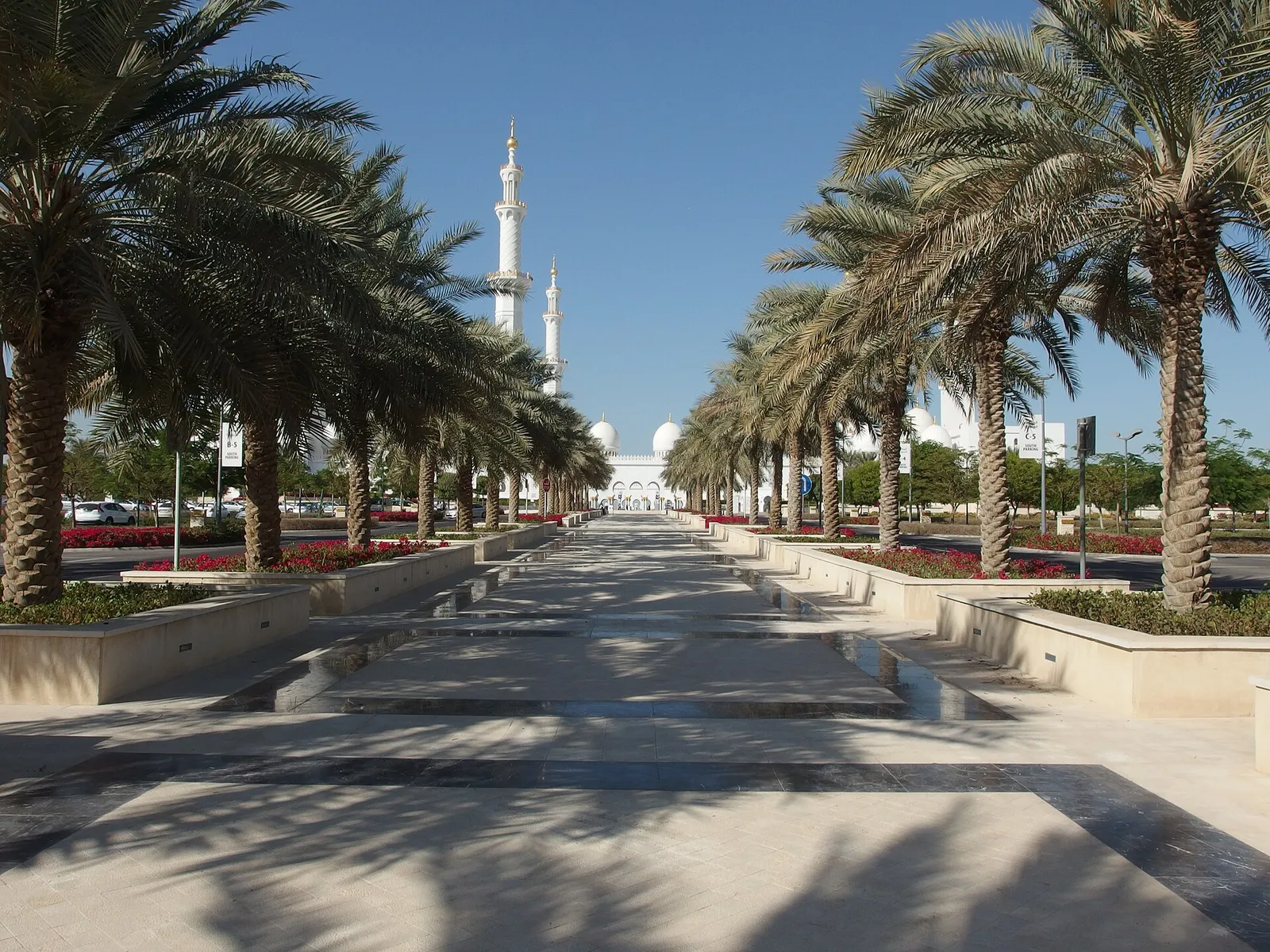
The Sheikh Zayed Grand Mosque is the reason most people come, and it deserves the reputation: an enormous white marble complex with reflecting pools, the whole thing finished to a standard that is genuinely startling in person.
The dress code is strict and it is enforced at the entrance. Arms and legs fully covered, nothing tight or transparent, and women are required to cover their hair. Long, loose garments are the reliable choice. The mosque has historically provided suitable clothing for unprepared visitors, but relying on that means queueing twice.
Check the current visiting arrangements before you go. Since September 2026 visitors from outside the UAE pay a small entry fee (around AED 10), booked online or at the counter, and the specifics have been revised more than once. The mosque also closes to visitors during prayer times and keeps different hours during Ramadan. This is exactly the kind of detail that ages badly in a guide, so confirm it officially.
The Louvre, and the other big three
Louvre Abu Dhabi is the second anchor, and it is genuinely good: a museum built around a single chronological narrative of world art rather than around national collections, under a vast perforated dome that produces a much-photographed effect of filtered light. It pairs naturally with the mosque and takes a couple of hours.
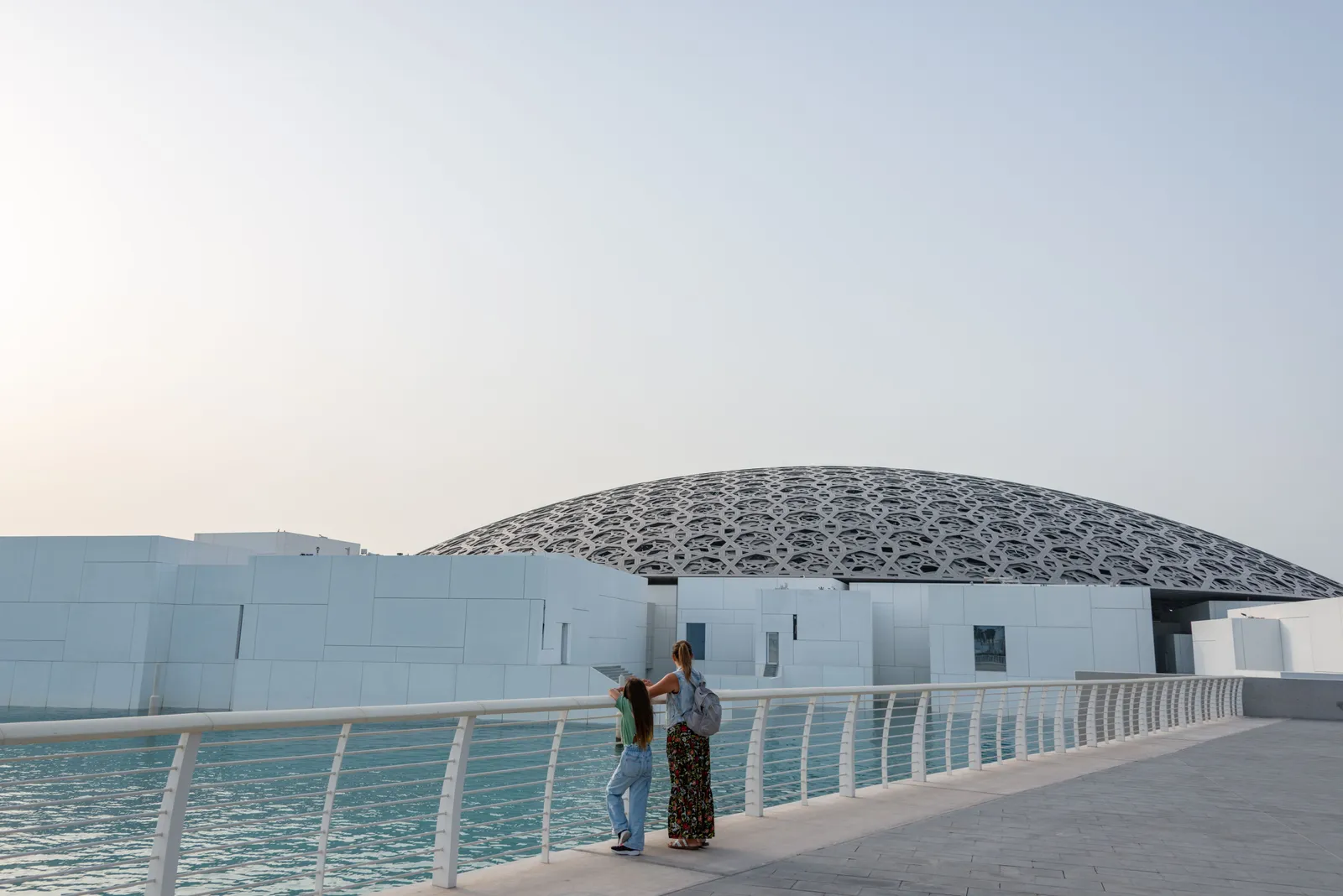
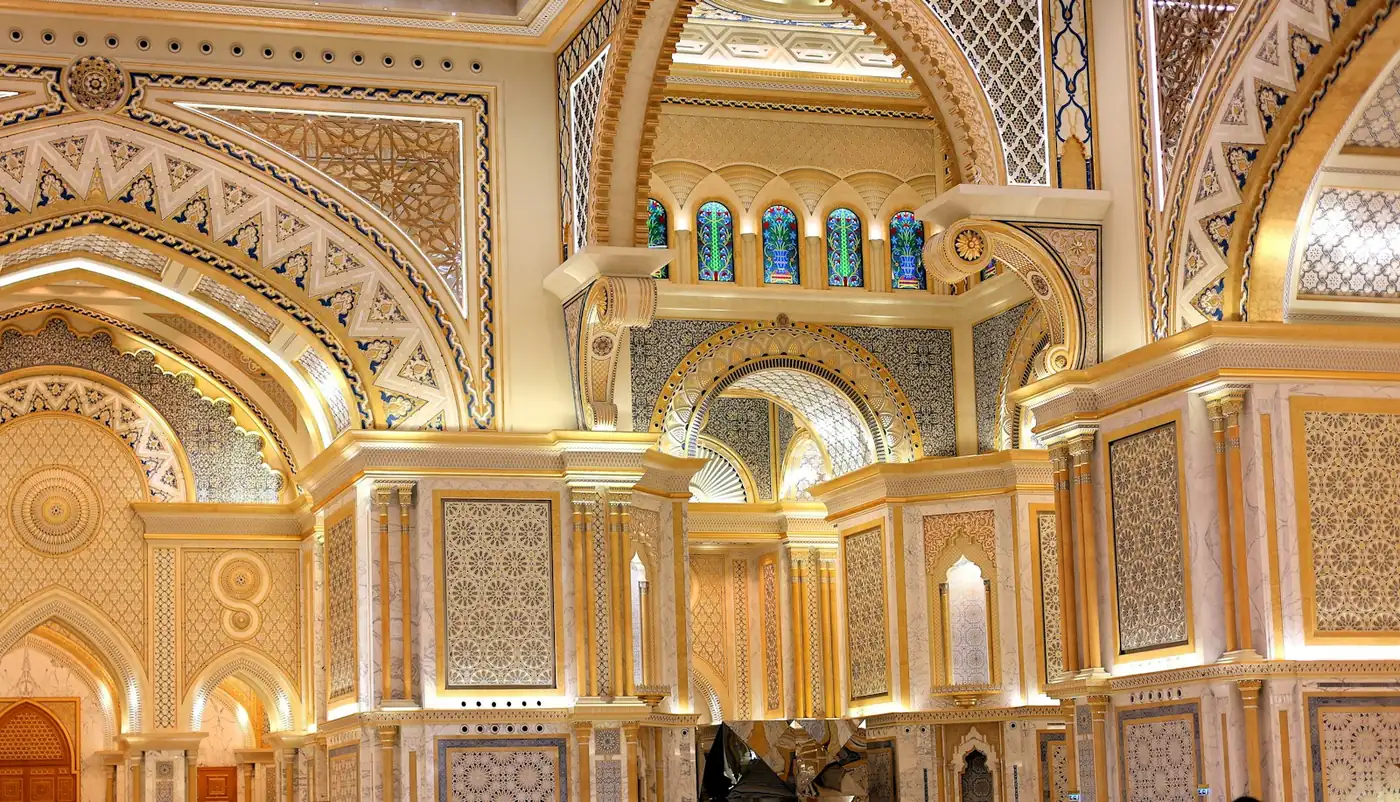
Qasr Al Watan, the presidential palace, opens parts of itself to visitors and is worth seeing for the scale and the craftsmanship if you have the time.
Yas Island holds the theme parks, including the Ferrari-branded one and a large water park, plus the Formula One circuit. Each of these is a full day in itself, and trying to add one to a day trip that includes the mosque does not work.
Let someone else handle the distancesAbu Dhabi's sites are far apart and an organised day removes both the driving and the sequencing problemWhat actually fits
Two major sites and lunch is a comfortable day. Three is possible with an early start if they are reasonably close together.
The standard pairing is the Grand Mosque and the Louvre, with the mosque first thing while it is cooler and less crowded. Add the corniche or a meal on the waterfront and that is a full, satisfying day.
The standard mistake is the mosque, the Louvre, the palace and Yas Island in one go. That is a day spent in a car with four brief stops in it.
Day trip or overnight
Set against the options inside Dubai itself, covered in our guide to the top attractions, Abu Dhabi is the one day trip that genuinely offers something the home city does not, rather than more of the same at a different address.
A day trip works and it is what most Dubai visitors do. An overnight makes sense in two cases: if you want the Yas Island parks, which need a day of their own, or if you want the city in the evening, when the mosque is illuminated and the corniche is at its best.
It is also worth understanding that Abu Dhabi is a different kind of place. It is the capital and the seat of government, quieter, more spread out, less dense and more measured in how it presents itself, with fewer of the superlatives that define Dubai’s skyline. Visitors who find Dubai relentless frequently prefer it. Visitors who came for the spectacle sometimes find it subdued.
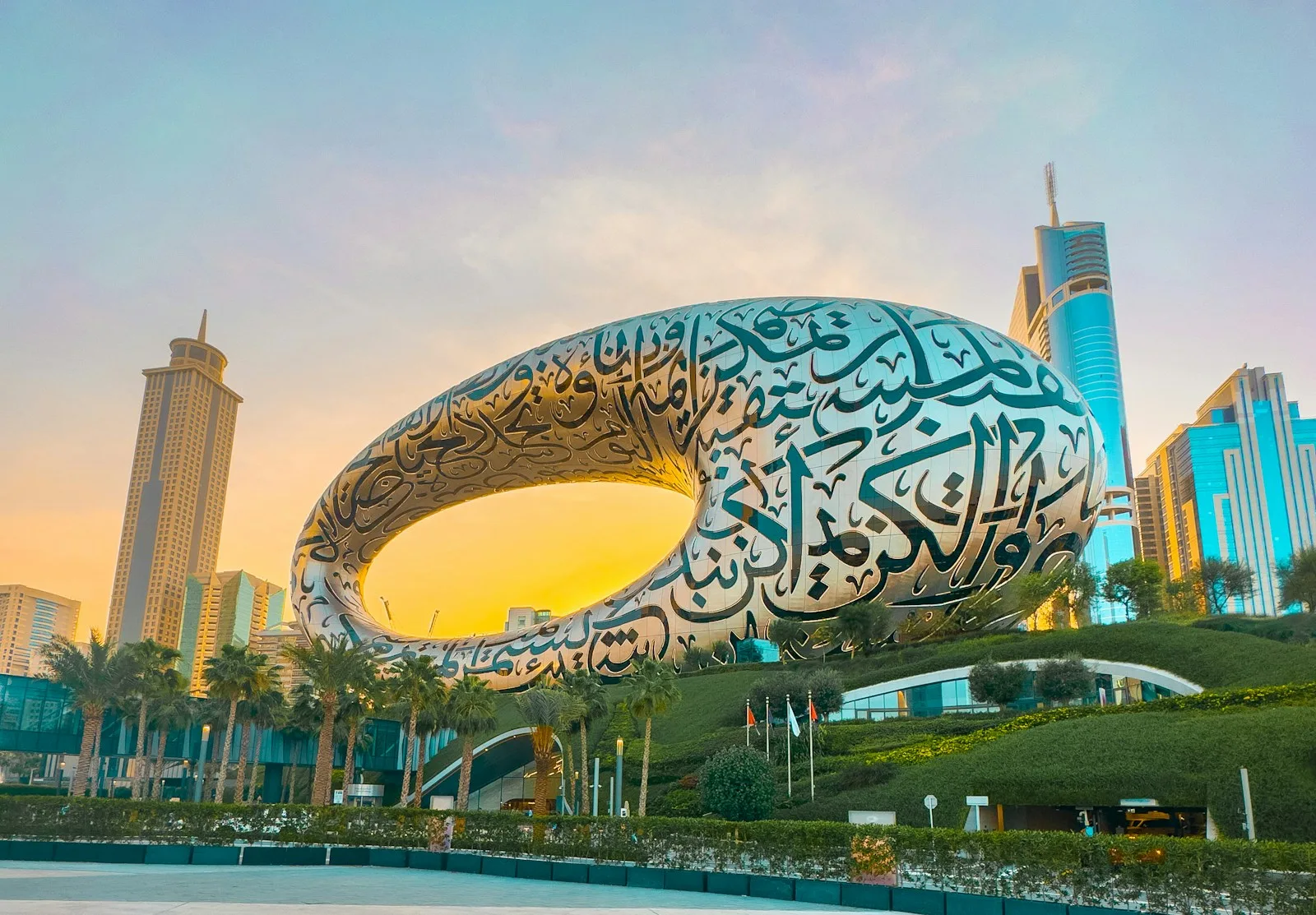
Our comparison of Dubai and Abu Dhabi covers that question properly for anyone deciding where to base themselves rather than which to visit for a day. And if the appetite is for landmark modern architecture specifically, the Museum of the Future back in Dubai covers similar ground without the three hours of driving, though it is temporarily closed since 1 September 2026, with a reopening expected in the first quarter of 2027, so check its official website first.