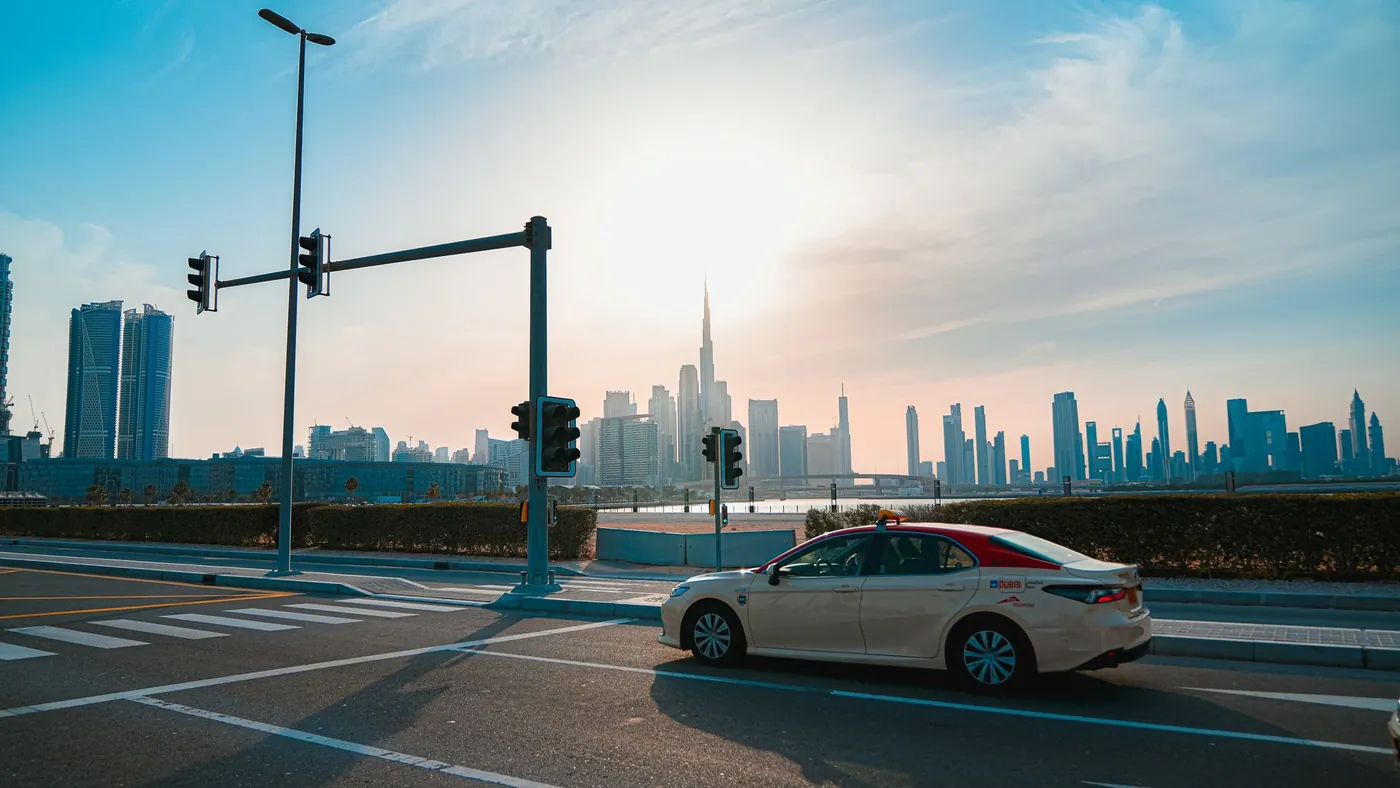
Visitors arrive in Dubai expecting everything to be expensive and are then surprised twice. The metro is startlingly cheap. The taxis are also cheap, by the standards of any comparable city. Neither of those facts settles the question, because the two modes do not compete for the same journeys.
The honest answer to “taxi or metro” is that you will use both, and that the ratio between them is decided by something you chose before you arrived: where you are sleeping.
How the two fares are structured
The important difference is not the price. It is the shape of the price.
The metro charges by zone. You touch a Nol card in at your origin and out at your destination, and the fare depends on how many zones you crossed rather than how far you travelled within them. A long journey inside one zone is very cheap. A short journey that happens to cross a boundary costs more than it feels like it should.
A taxi charges by distance and time. There is a flag fall that starts the meter, a rate per kilometre after that, a different starting charge for a taxi taken from the airport, and a night rate. There is also a minimum charge, so a very short hop costs more per kilometre than a longer one.
Both are set by the Roads and Transport Authority and both are revised periodically. Check current rates at rta.ae rather than budgeting from any figure you read online, this article included.
The coverage problem, which is the real issue
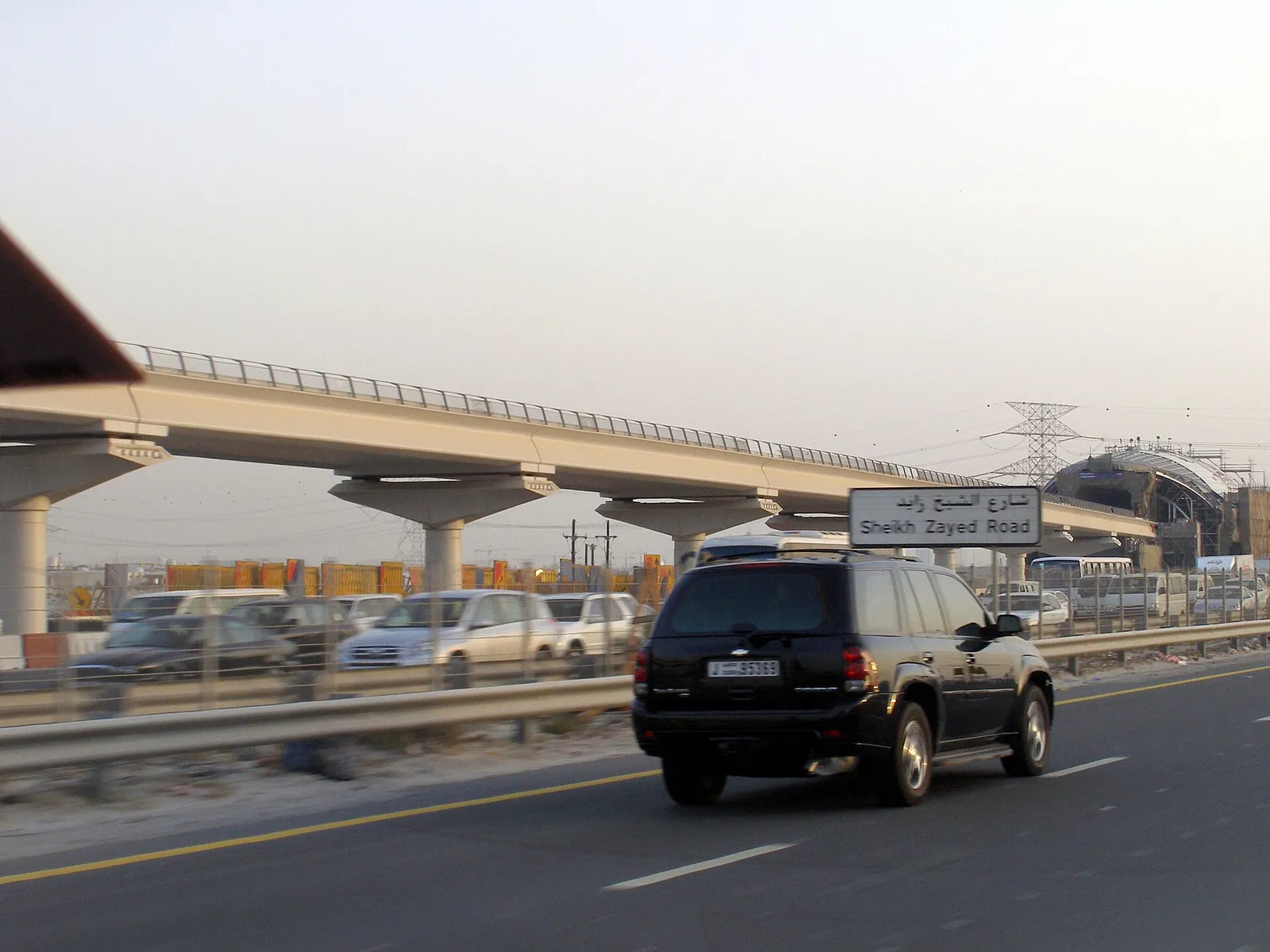
The metro is two lines running broadly along the same corridor: inland, parallel to the coast, following Sheikh Zayed Road through the length of the modern city and then out to the older districts on the Creek.
That corridor is excellent for a specific set of journeys. Downtown to the Marina, the Creek souks to the Mall of the Emirates, the airport to almost anywhere along the line: all of these are fast, cold, cheap and frequent.
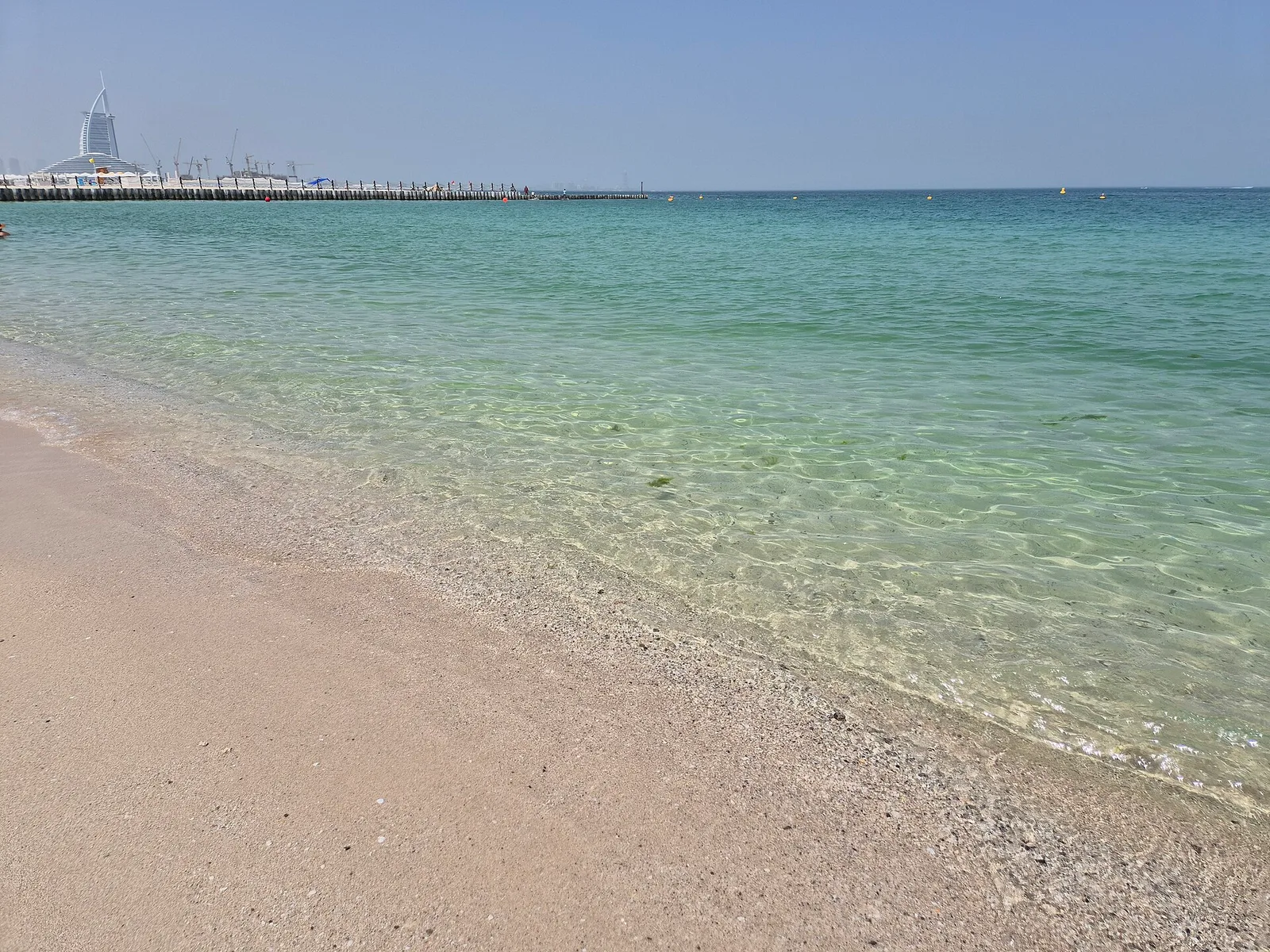
What the corridor does not include is the coast. Jumeirah Mosque, Kite Beach, La Mer and most of the Jumeirah beachfront are not near a metro station. They are close on a map and a long way in August. The tram around the Marina and JBR is the exception, and it does put you within reach of that one stretch of sand.
So the comparison that matters is rarely metro against taxi for the same trip. It is metro plus a fifteen-minute walk against a taxi that stops outside the door, and in the summer months that is not a close contest.
When the taxi is simply the right answer
Four cases, and they cover most visitor journeys.
Anything coastal. If your destination is a beach, a beach club or the Jumeirah strip, take the taxi and stop calculating.
Two or more people. The metro charges per person and the taxi charges per car. For a couple, the taxi often costs about the same as two metro fares on a medium journey, and for a family it is usually cheaper outright.
Midday in summer. Between roughly June and September, the walk at either end of a metro journey is the part that hurts. Paying to avoid ten minutes outside at forty-something degrees is not extravagance.
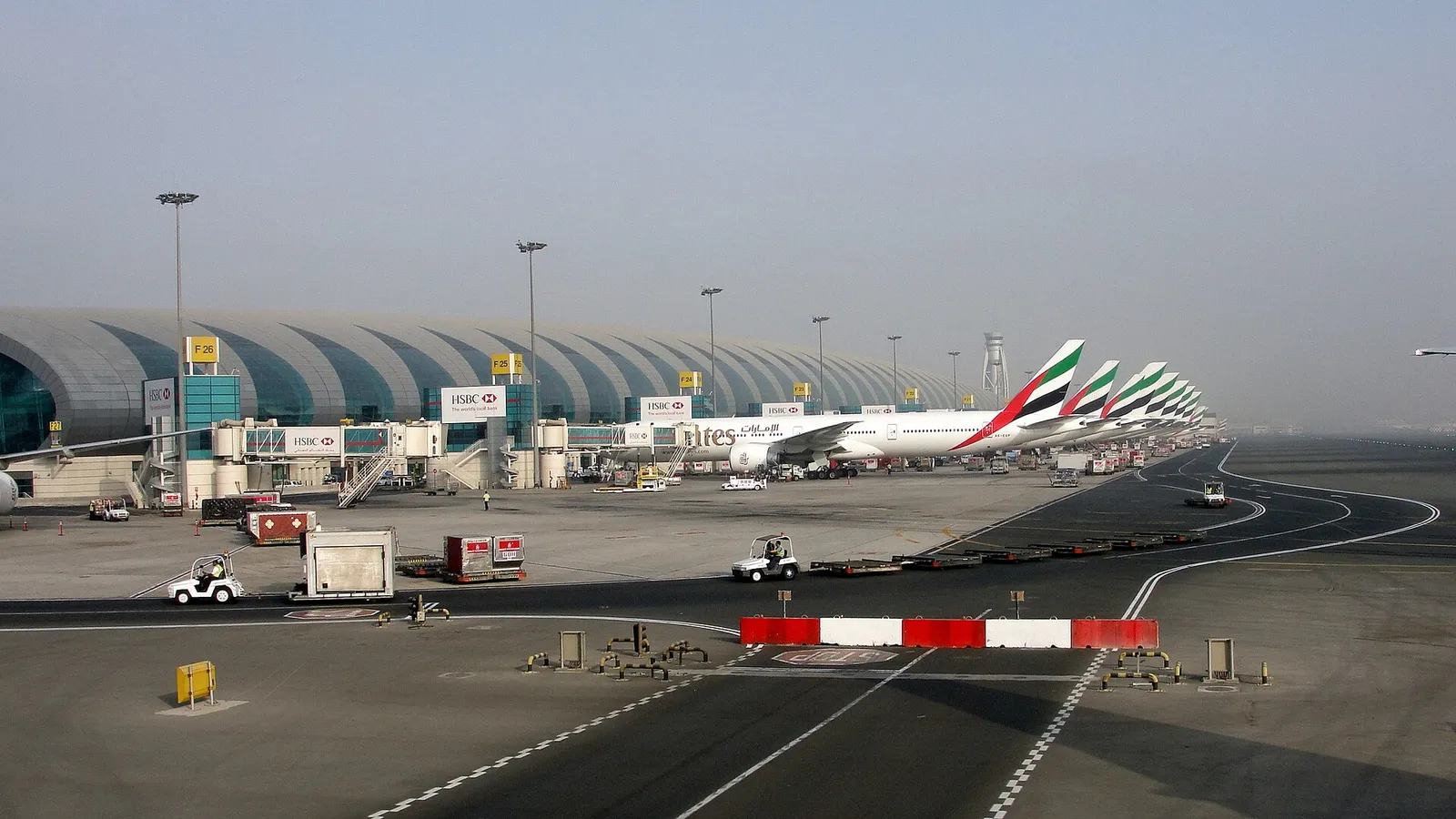
Luggage. Metro at rush hour with suitcases is a bad experience for you and for everyone around you. Our guide to Dubai airport transfers covers the arrival journey specifically, where the calculation is different again because of the airport starting charge.
When the metro wins clearly
Long north to south journeys along the main corridor, where a taxi is fighting Sheikh Zayed Road traffic and the metro is not. At the wrong hour, the metro is not merely cheaper but faster.
Any journey to or from the airport that ends near a station, which is the single best-value trip in the city.
Solo travel on a budget, where the per-person pricing works in your favour rather than against you.
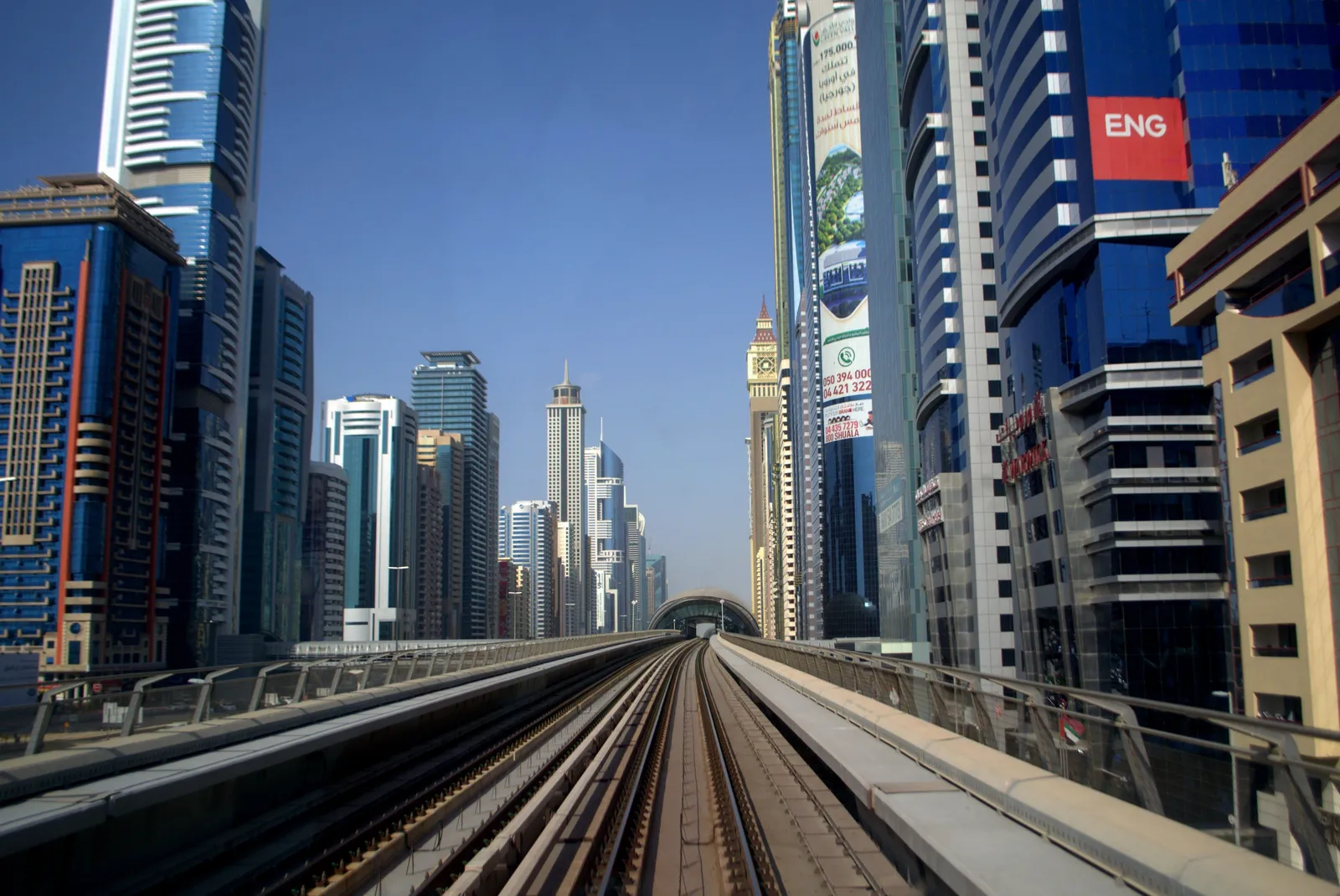
And there is a quieter argument for it. The metro is elevated for much of its route and the view from the front of the train, running between the towers of Sheikh Zayed Road, is one of the better free things in Dubai. Our guide to the Dubai Metro covers the lines, the Nol card and the etiquette, including the carriages that are not for everybody.
The decision you already made
Here is the part that most transport articles skip. Your daily transport cost in Dubai was largely determined when you booked the hotel.
A room within a five-minute walk of a metro station turns the metro into your default and taxis into an occasional convenience. A room in a beach resort on the Jumeirah coast turns every single outing into a taxi journey in both directions, and that adds up over a week to considerably more than the difference between two hotel rates.
Neither choice is wrong. A beach holiday should probably be on the beach. But it should be chosen knowingly, and our guide to Dubai’s neighbourhoods and where to stay sets out which areas sit on the metro and which do not, which is the single most useful thing to know before booking.
A working rule for the week
Use the metro for the spine of the city and taxis for the ribs. Buy a Nol card on day one and top it up generously, because the machines take longer than the queue behind you would like. Flag taxis on the street rather than booking through an app unless you specifically want the certainty, since the app costs more for the same car.
And do not spend your holiday optimising this. The gap between the cheapest possible week and the lazy version is smaller in Dubai than in most cities you have visited.
In one line: the metro is cheaper, the taxi is cheap enough, and the coast decides which one you are taking today.