Most of what gets written about dressing for Dubai collapses three separate things into one nervous paragraph. There is federal law, which is real and applies to everyone. There is venue policy, which changes from a mosque to a mall to a government office. And there are beach norms, which are far more relaxed than visitors expect right up to the moment you step off the sand. Confuse them and you either overdress for a beach club or wander into a shopping centre in a bikini, and only one of those is a problem. This guide keeps them apart, alongside the broader orientation in our first time visitor’s guide to Dubai.
The rule underneath everything: public decency
UAE federal law contains public decency provisions that make it an offence to behave or dress in a way that violates public decency in a public place. The law does not publish a list of banned garments, and it does not need to: the standard is written broadly and applied by reasonable local expectation.
In practice the working benchmark that Dubai’s own tourism guidance and government information pages use is straightforward. In public places, meaning outside a hotel, a beach or a private pool, shoulders and knees should be covered, clothing should not be see through or expose underwear, and slogans or images that would be read as offensive should stay in the suitcase.
Two things are worth understanding about how this actually plays out. First, enforcement against tourists for dress alone is rare, and Dubai is visibly the most relaxed emirate in the country. Second, the fact that enforcement is rare does not make the rule optional, and the other emirates you might drive to on a day trip apply the same federal law with noticeably less latitude.
Malls, souks and everyday public places
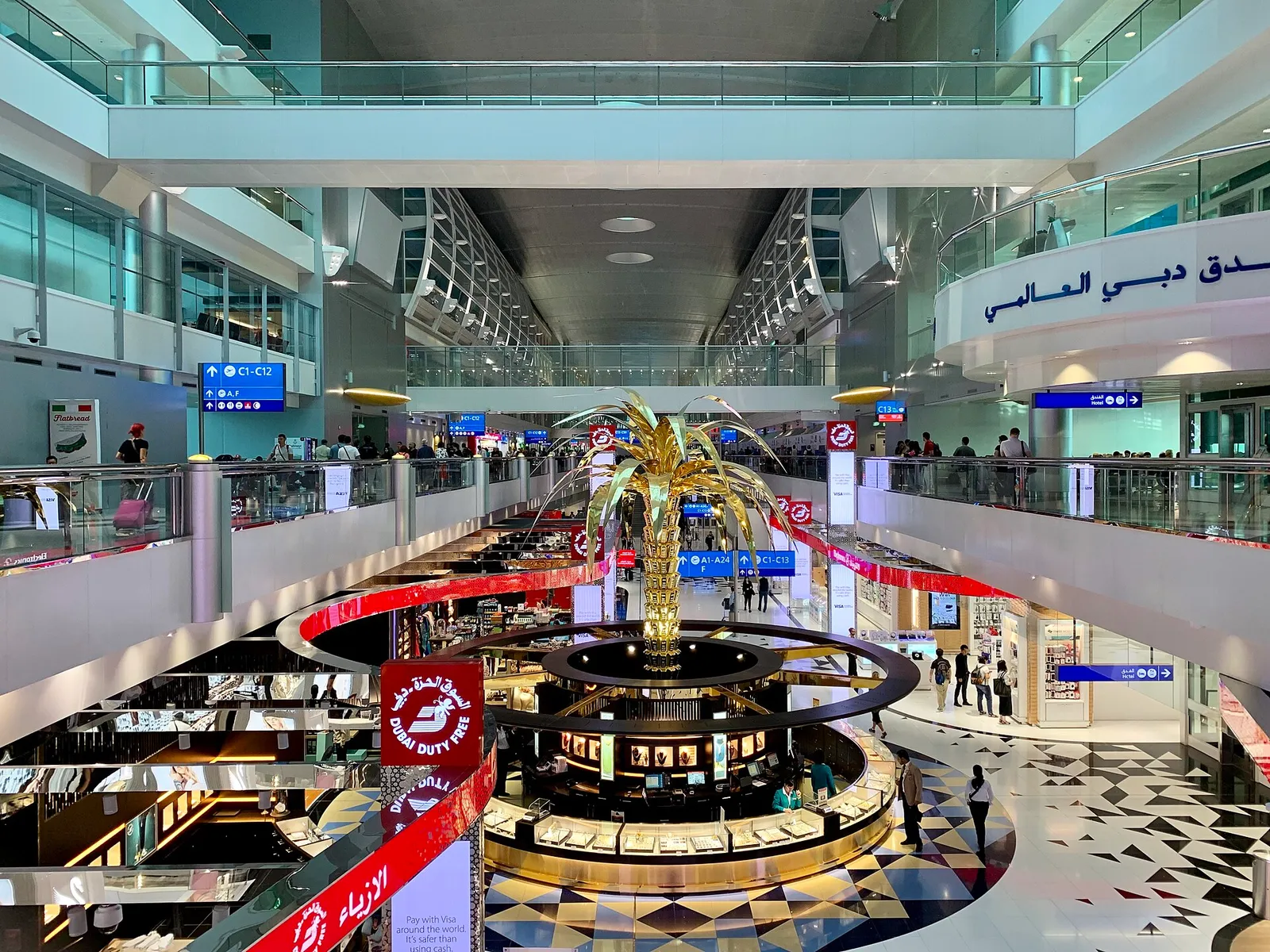
Dubai’s malls are the clearest place to see venue policy layered on top of law. Most large centres display a modest dress request at the entrances, worded as shoulders and knees covered, and security will occasionally have a quiet word with someone in very short shorts or a strappy top. It is a request rather than an arrest, but it is also the single most common way a visitor gets stopped.
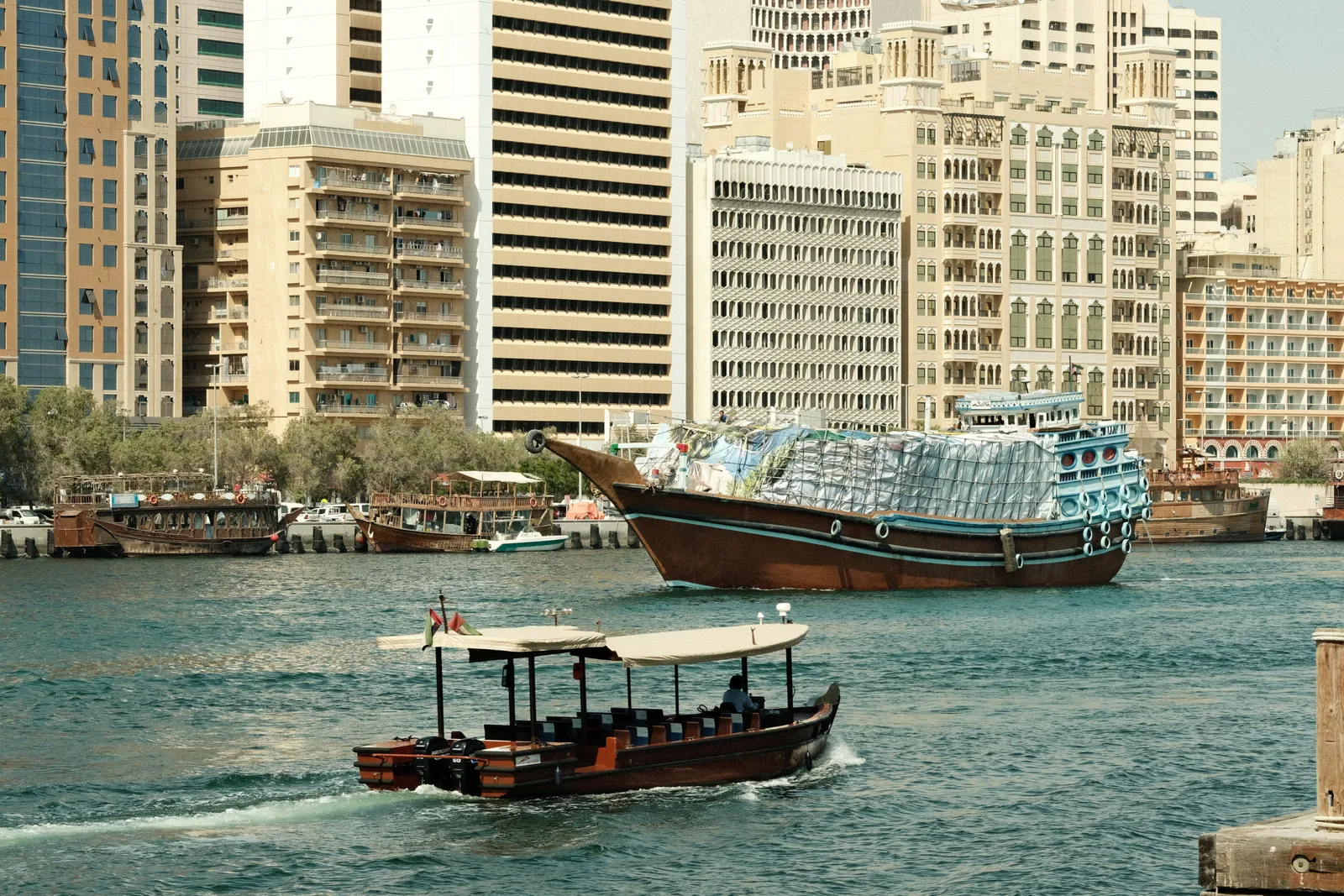
The older parts of town ask for slightly more, not legally but socially. Walking the textile souk, the gold souk and the creek is a working neighbourhood experience rather than a resort one, and covered shoulders and longer shorts or trousers make the day easier for everyone. Our guide to old Dubai and the creek souks covers the area in detail, and this is the one part of the city where dressing a notch more conservatively genuinely changes how you are received.
Government offices, courts and some hospitals apply their own stricter codes, and they will turn people away. If you have an appointment at one, trousers and a shirt with sleeves are the safe default.
Visiting a mosque
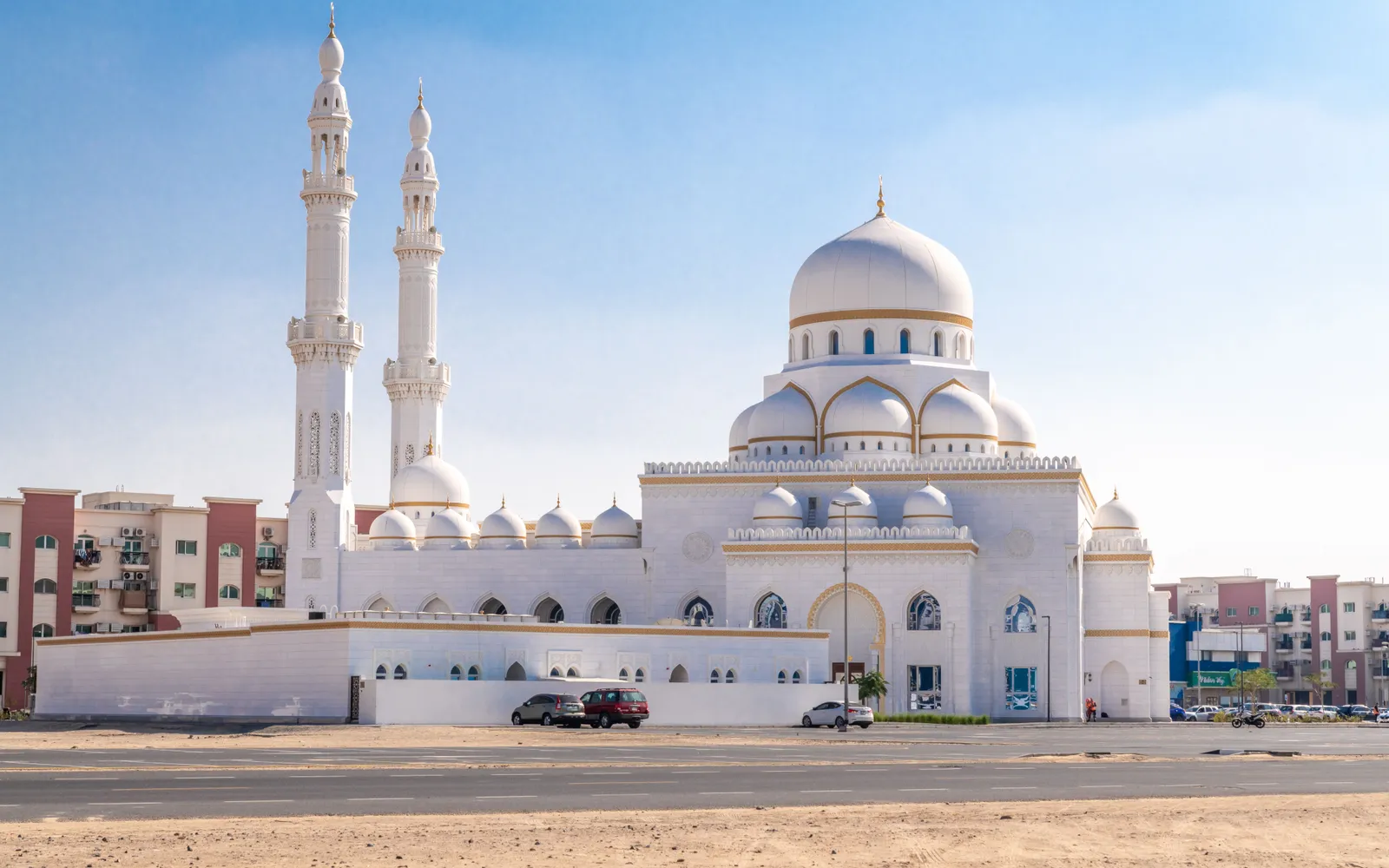
This is the one setting with a specific and non-negotiable code. Women are asked to cover hair, arms and legs, and to wear loose rather than close fitting clothing. Men need long trousers and a shirt with sleeves. Sandals are fine, since shoes come off at the door anyway.
Jumeirah Mosque is the mosque in Dubai set up to receive non-Muslim visitors, through guided tours run by the Sheikh Mohammed Centre for Cultural Understanding. Abayas and headscarves are lent at the entrance to anyone who needs them, cleaned and maintained by the centre, so arriving without a scarf is not a problem. Tours run on most days of the week, generally in the morning and not on Fridays, but timings and booking arrangements change, so confirm the current schedule with the centre before you build a day around it.
Behaviour: affection, language and gestures
The rules people trip over are not about clothing at all.
Public displays of affection. Holding hands is unremarkable. Kissing and anything more demonstrative in a public place is treated as a public decency matter and can result in police involvement.
Swearing and rude gestures. These are genuinely different in the UAE from most of the audiences reading this. Obscene language and offensive hand gestures, including in an argument over a parking space or in a message sent from your phone, are treated as insult offences under UAE law rather than as bad manners. Road rage gestures are a recurring way that visitors and residents alike end up making a statement at a police station.
Alcohol. Licensed hotels, bars and restaurants serve alcohol normally. Being drunk in a public place outside those venues is an offence, and drink driving is enforced at zero tolerance.
None of this is exotic once you know it. It simply means keeping arguments verbal and calm, and keeping the celebration inside the venue.
Get the cultural context from someone who lives hereGuided old Dubai and cultural tours cover the etiquette alongside the sightsPhotography, which is where visitors get caught
Photographing or filming people without their consent is a criminal offence under the UAE federal cybercrime law, and sharing those images makes it worse. This is not a politeness convention. It applies in public streets, on beaches, in restaurants and at events, and photographing women, families and children without permission is treated particularly seriously.
The practical version for a traveller is simple. Photograph buildings, skylines, food and your own group freely. Ask before photographing anyone else, including a shopkeeper you have just had a lovely conversation with. Be deliberate in crowded places like souks and beaches, where bystanders end up in shot. And never photograph government buildings, military sites, police facilities or airport security areas.
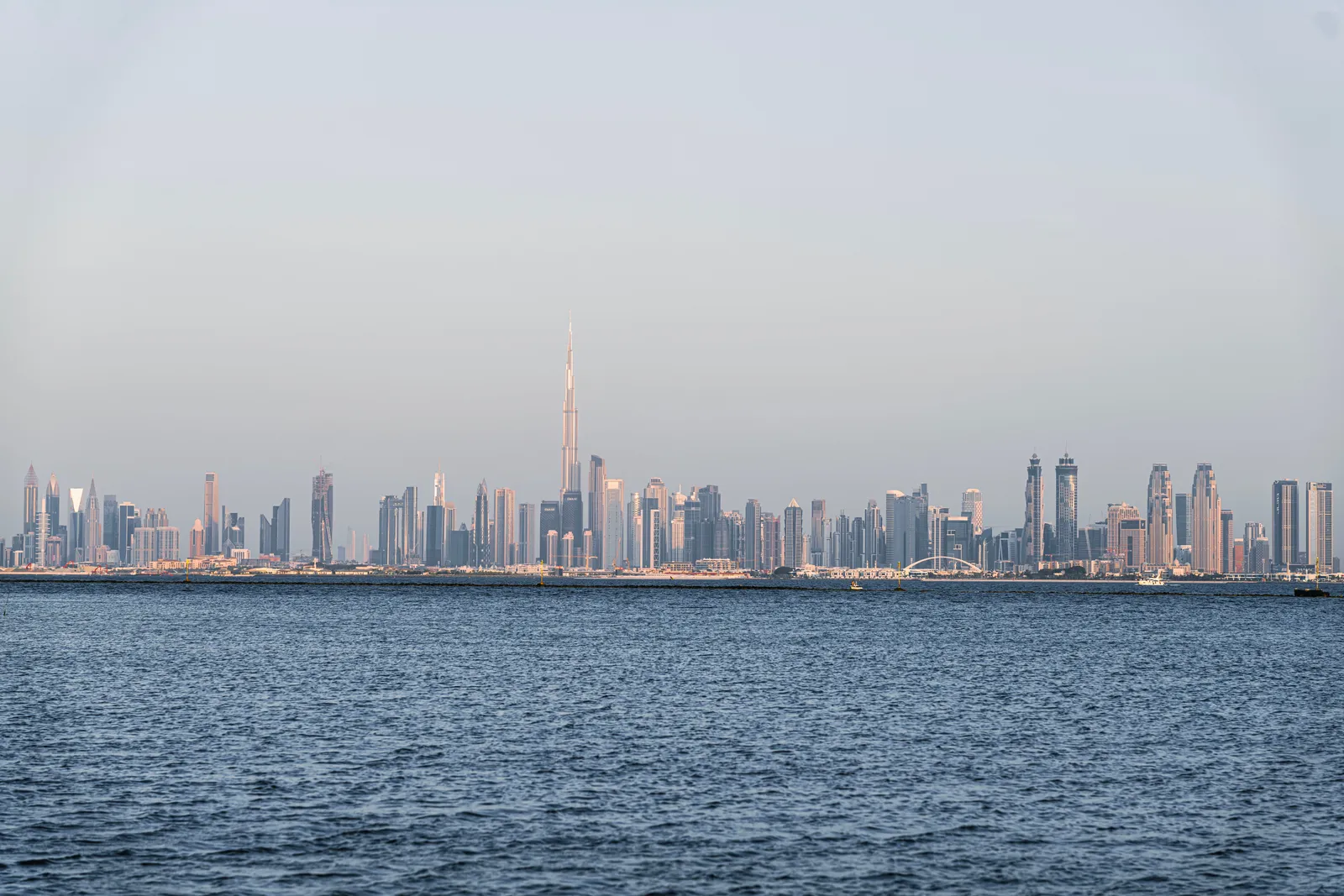
Beaches, pools and the line at the sand
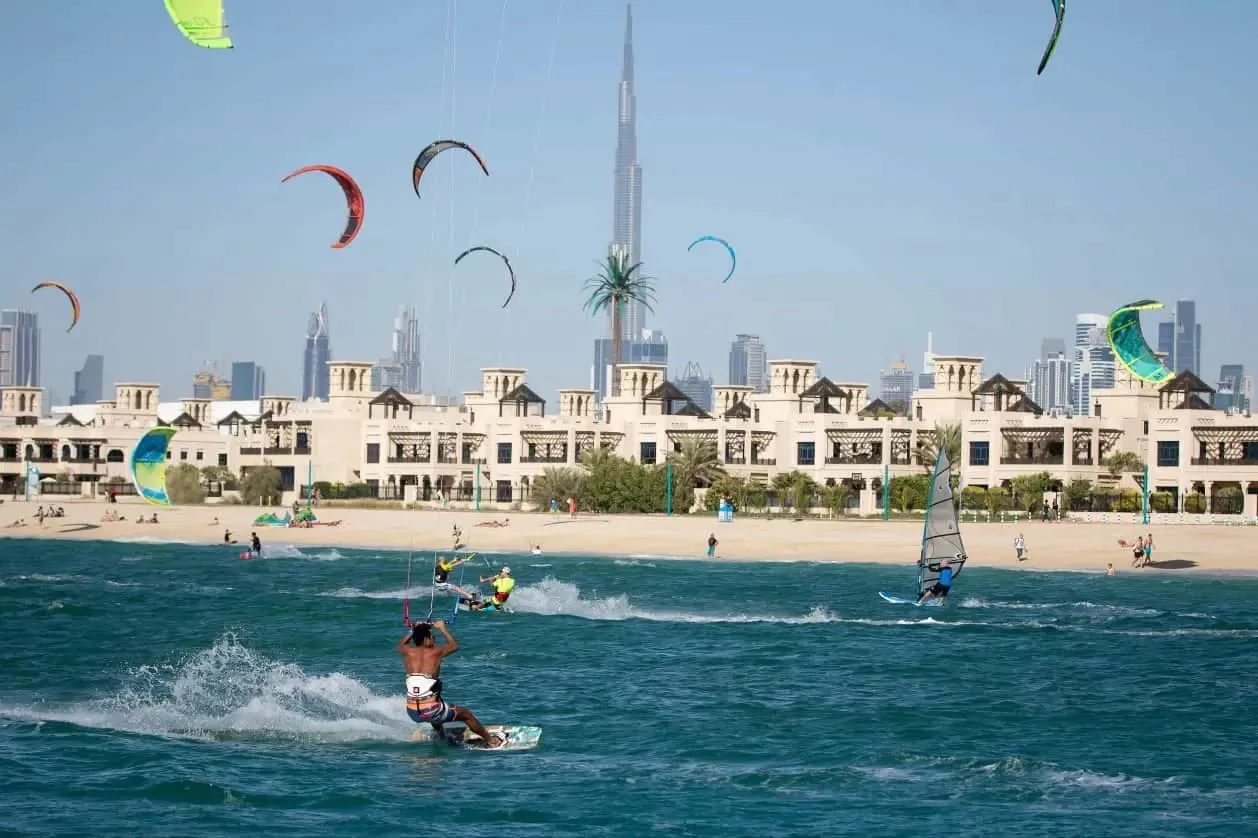
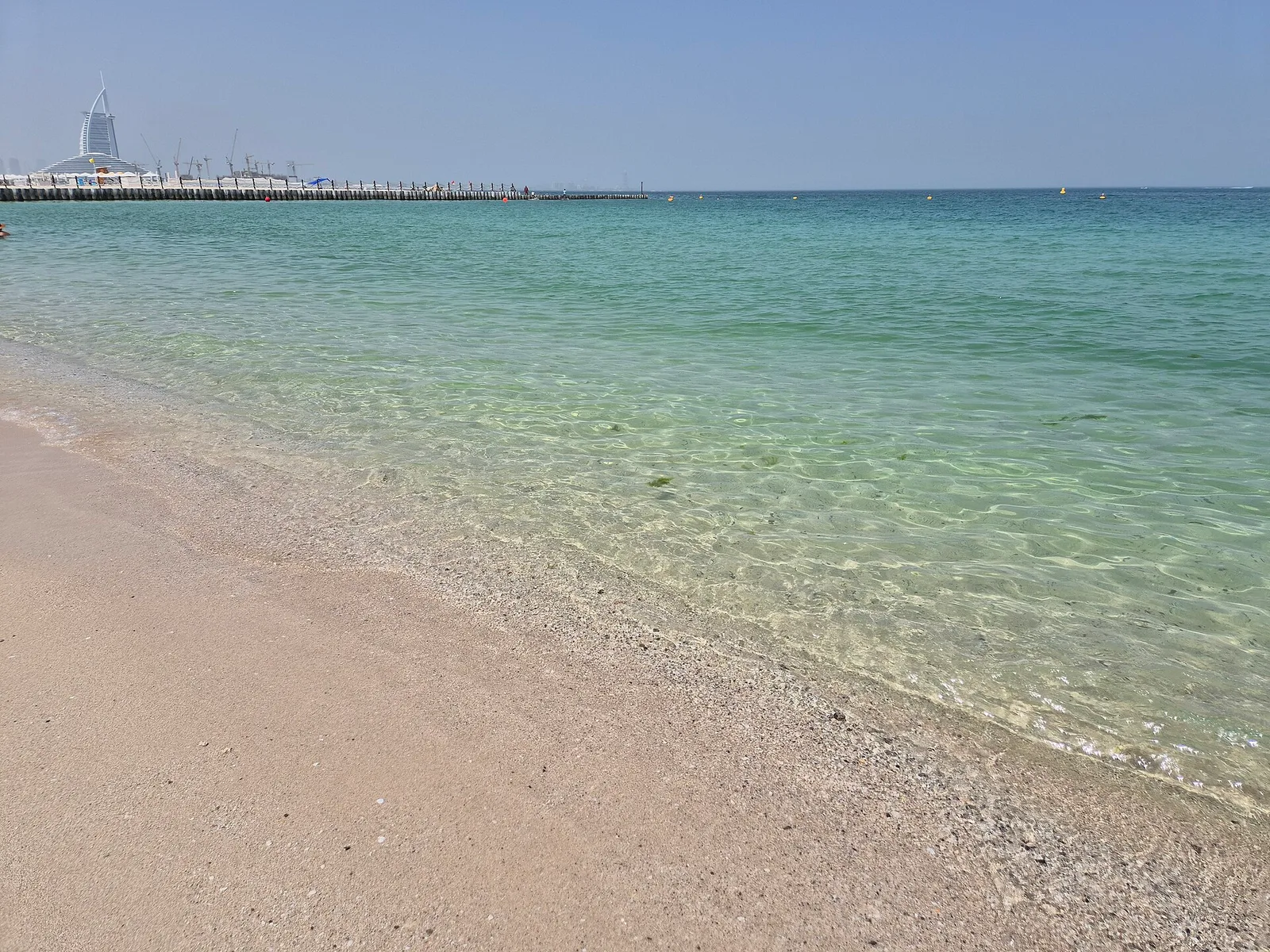
Swimwear is entirely normal on Dubai’s public beaches, at hotel pools and at beach clubs. Bikinis and swim shorts are what everyone is wearing, and nobody is monitoring you. Topless and nude sunbathing are not permitted anywhere.
What changes is the moment you leave. The road behind the beach is a public place, and so is the cafe on it, the taxi, the metro and the mall you drift into afterwards. Dubai Municipality posts the rules for each public beach on signage at the entrances, including where night swimming is allowed and where lifeguards are on duty, and it is worth reading them rather than assuming one beach works like the next. Our guide to Dubai’s best beaches covers which stretches are free public sand and which are paid clubs.
A cover up, a shirt or a pair of shorts in your bag solves the entire problem. That single item is the difference between fitting in perfectly and being the person security has to speak to.
For anything you plan to act on, take the current wording from the official UAE government portal at u.ae and from Dubai Police rather than from a travel article, including this one. Rules here are stable but they do get revised, and unlike entry requirements, none of them change according to which passport you hold.