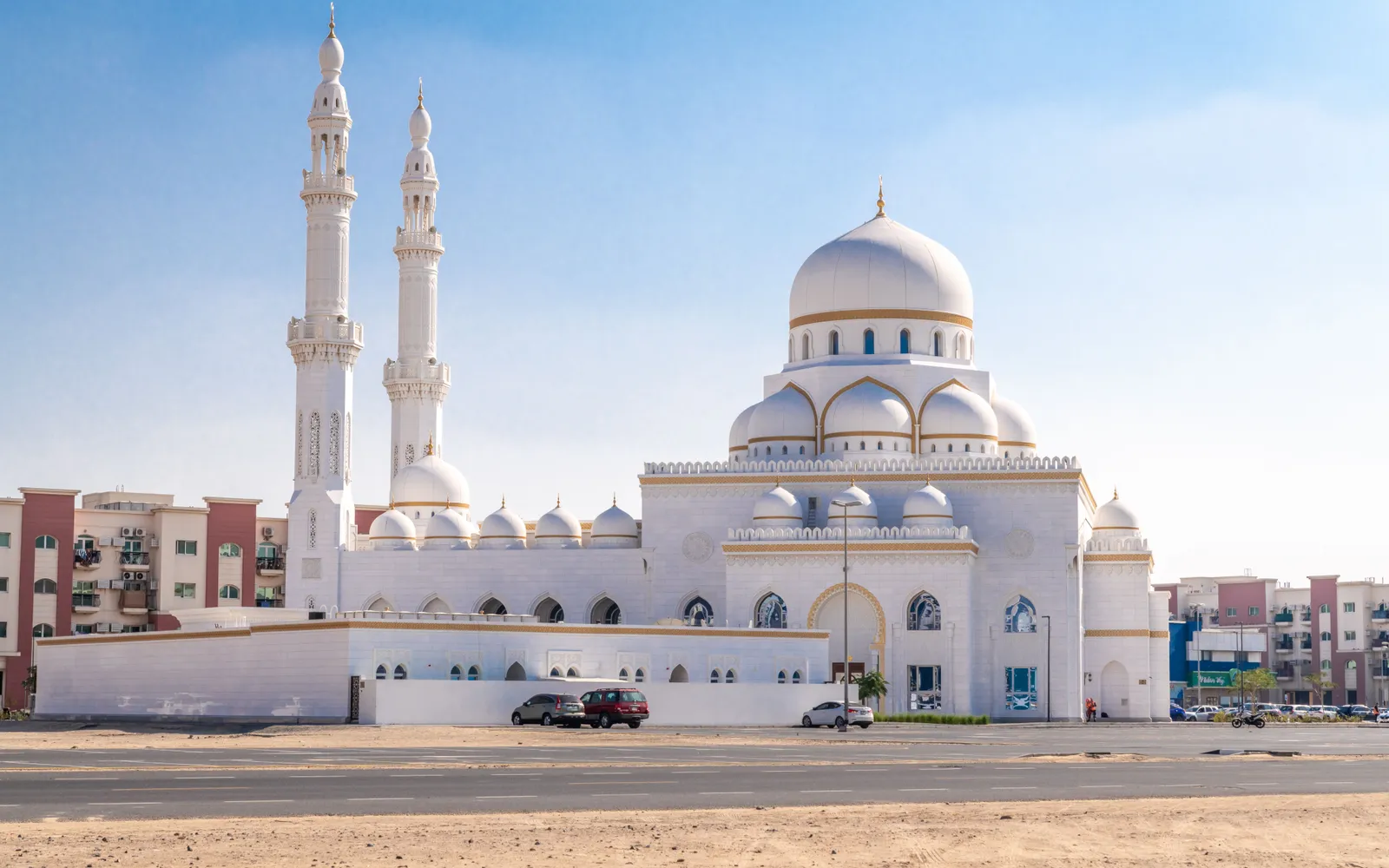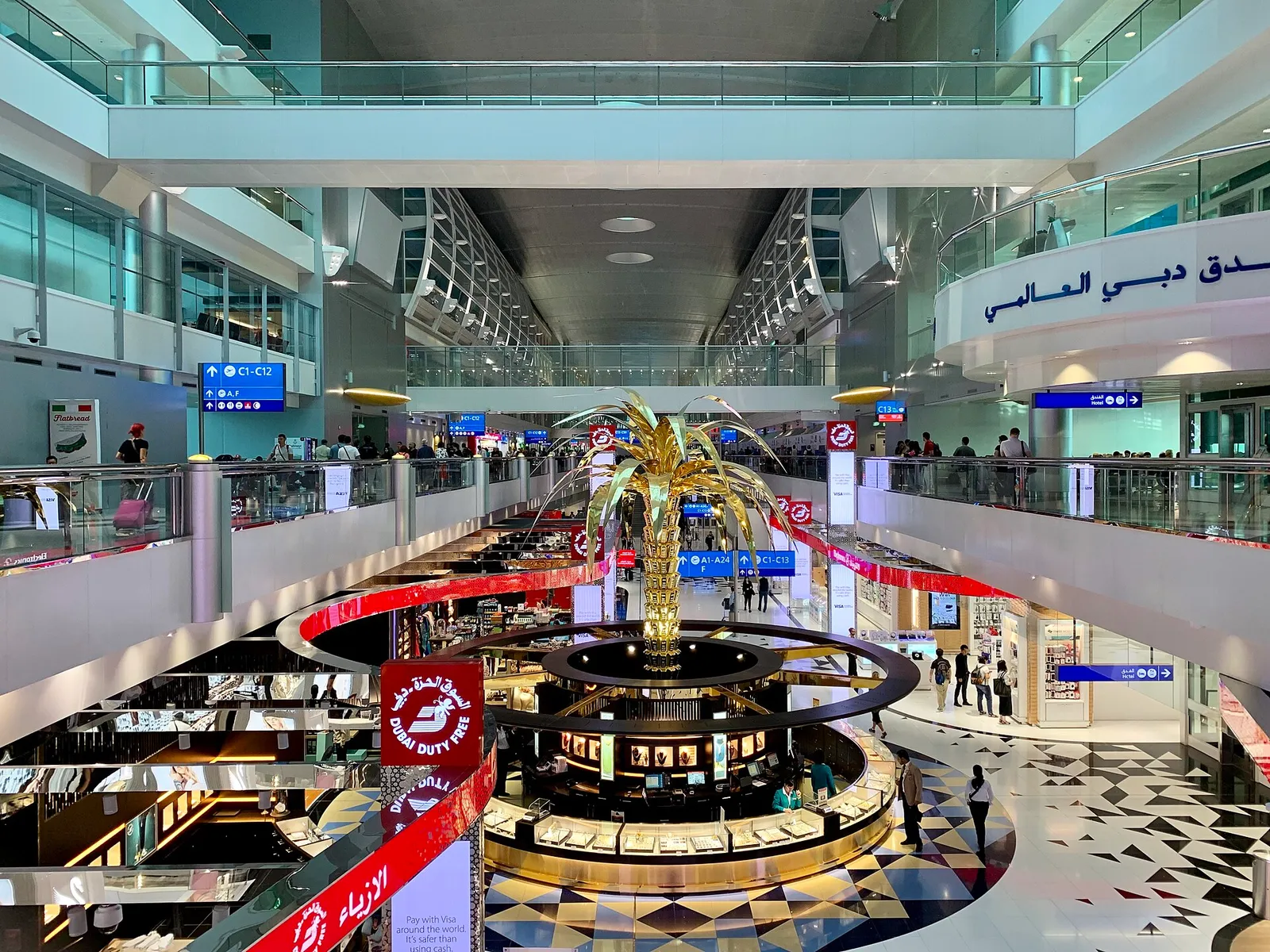
Ramadan 2027 lands squarely in the middle of Dubai’s best weather, which means a large share of travellers planning a February or March trip will overlap with it whether they intended to or not. The reaction to that news is usually mild panic, and it is misplaced. Most of what English language travel writing says about visiting Dubai during Ramadan describes a city that stopped existing several years ago. Restaurants no longer hide their diners behind screens, hotels serve breakfast as usual, and nobody is going to arrest you for drinking water. What does change is the rhythm of the day, and that is worth understanding before you book.
When it falls, and why nobody can tell you exactly
Ramadan 2027 is expected to begin in the second week of February and to run roughly 29 or 30 days into early March, with Eid al Fitr following straight after. Those are projections, not dates.
The Islamic calendar is lunar, so Ramadan moves about 10 to 11 days earlier each year against the Gregorian calendar, and the start of the month is confirmed by moon sighting rather than by calculation. In the UAE that determination is made by the official moon sighting committee on the evening before, and it can shift the whole month by a day in either direction. The same applies to the end.
For planning purposes, treat the expected window as approximate, assume a possible one day movement at each end, and check u.ae, the official UAE government portal, closer to your travel dates. If your trip sits right on the boundary, the shift matters for what you will find open on your first or last evening.
Eating and drinking: what the law actually says now
This is the part most articles get wrong, so it is worth being precise.
Historically, restaurants needed permits to serve during fasting hours and had to screen their dining areas from view. That requirement has been dropped. Cafes, restaurants and mall food courts now trade normally through the day, hotel breakfast and poolside service run as usual, and you can sit by a window with a coffee without anyone minding.
Eating or drinking in public during fasting hours is also no longer treated the way it once was in law. What remains is straightforward courtesy: eating, drinking or smoking while walking along a street, on the metro or in a crowded public area during daylight reads as inconsiderate in a city where a large share of the people around you have not eaten since before dawn. Almost nobody does it. Step inside, and there is nothing to think about.
Iftar experiences and desert evenings book out fast in RamadanCompare Dubai tours and dining experiences, many with free cancellationIftar, and the reason some travellers prefer this month
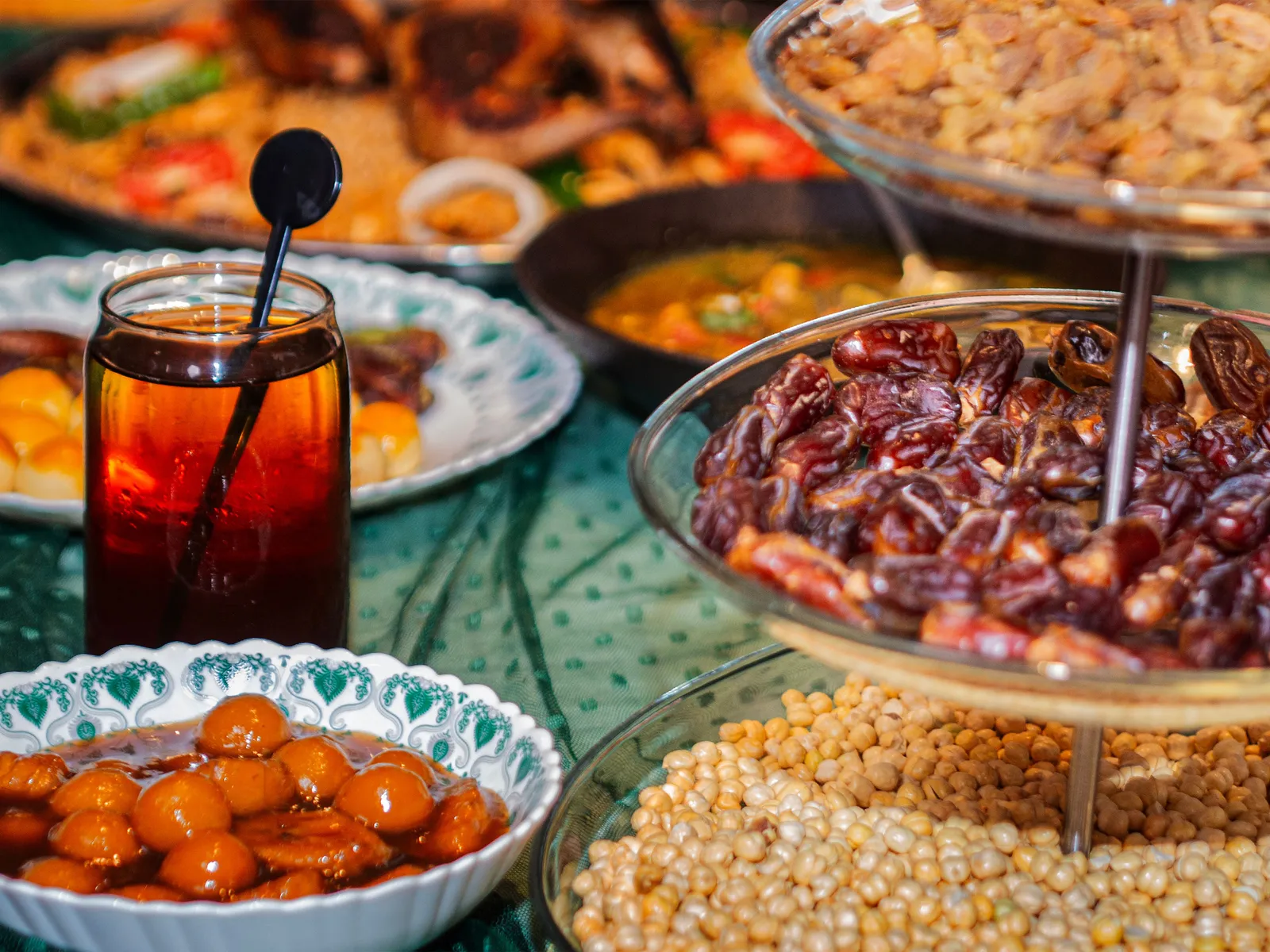
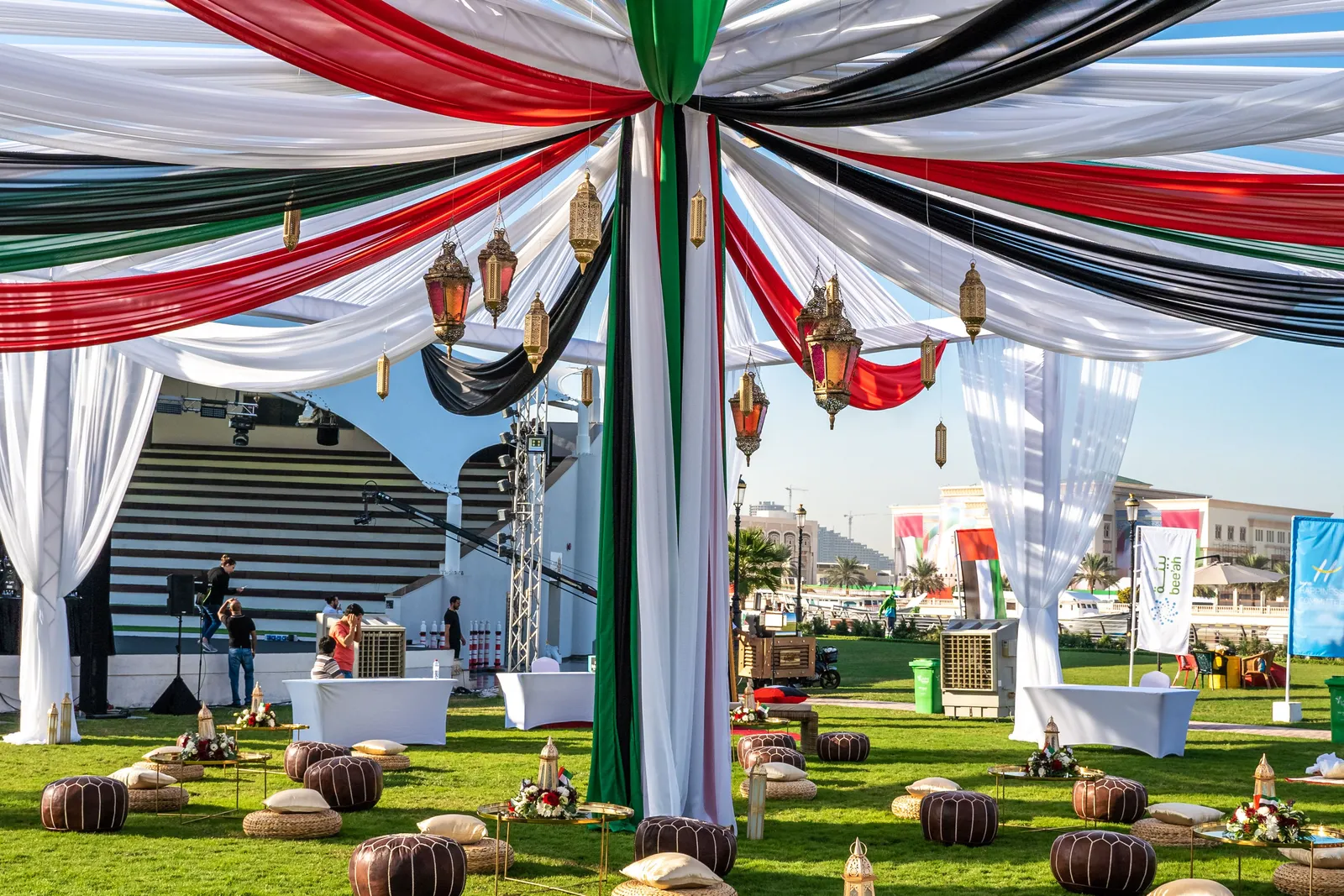
At sunset the fast breaks, and the city transforms in the space of about twenty minutes. Iftar is the meal that ends the daily fast, and in Dubai it has become an industry: hotels and restaurants across the city lay on enormous buffets, frequently in tented settings, running from sunset through much of the evening. They are open to everyone, of any faith, and they are the single best argument for visiting during Ramadan.
Book ahead. The well regarded ones fill weeks in advance, and arriving slightly before sunset is the right move so you are seated when the call to prayer signals the start. Later in the evening comes suhoor, a lighter meal served late into the night, often in a more relaxed lounge setting, and it is arguably the more atmospheric of the two.
For a broader sense of what Dubai’s dining scene has to offer outside the tented buffets, our Dubai food guide covers the year round picture.
Alcohol, nightlife and what genuinely goes quiet
Licensed hotel bars continue to serve during Ramadan. Many restrict service to after sunset, and the atmosphere is markedly more subdued than usual, but the idea that Dubai goes dry for a month is not accurate.
Nightlife is where the real change happens. Music volume in clubs and lounges is lowered substantially, live bands and DJ programming are frequently paused for the month, and some venues simply close until Eid. Beach clubs continue to operate but with the party element dialled down. Standards on public behaviour, dress and displays of affection are applied more visibly during the month as well, and it is a reasonable time to dress a little more conservatively in malls and public areas than you otherwise might.
If nightlife is the point of your trip, this is a genuine reason to travel outside the month, and our best time to visit Dubai guide covers the alternatives within the same weather window.
Opening hours, traffic and getting around
Private sector working hours are reduced by two hours a day during Ramadan under UAE labour rules, and government bodies publish their own reduced schedules, so that single change reshapes the whole daily rhythm.
Malls generally open later in the morning and stay open much later at night, often past midnight. Attractions, theme parks and tour operators typically shorten or shift their hours rather than closing, and government offices run reduced schedules. None of these are fixed across the city, so check directly with the operator before booking anything time sensitive rather than relying on a published timetable from a previous year.
Two transport notes. Dubai Metro and tram timetables are adjusted for the month and republished each year by the RTA. And the Salik road toll operates a shifted peak pricing window during Ramadan, published on salik.ae ahead of the month. More importantly for anyone in a taxi: the hour before sunset produces the worst traffic of the entire year, as the whole city moves at once to get home or to an iftar table. Do not schedule an airport transfer or a booked meal to depend on that window.
Should you go
For a beach, food, culture and sightseeing trip, Ramadan in Dubai is a good deal. The February and March weather is as good as the city gets, attractions are quieter through the day, hotel rates are often softer than in the surrounding peak weeks, and the evening atmosphere after sunset is something you cannot experience at any other time of year. Iftar alone justifies the timing for a lot of travellers.
For a party trip, it is the wrong month, and no amount of planning fixes that.
The practical adjustments are small: eat indoors during daylight, dress a little more modestly in public, book iftar in advance, avoid the pre sunset traffic hour, and confirm opening times directly rather than assuming. Everything else about the city works as usual, and our first time guide to Dubai covers the rest of it. For the confirmed dates and the official position on anything legal, u.ae remains the source to check.